
Plants
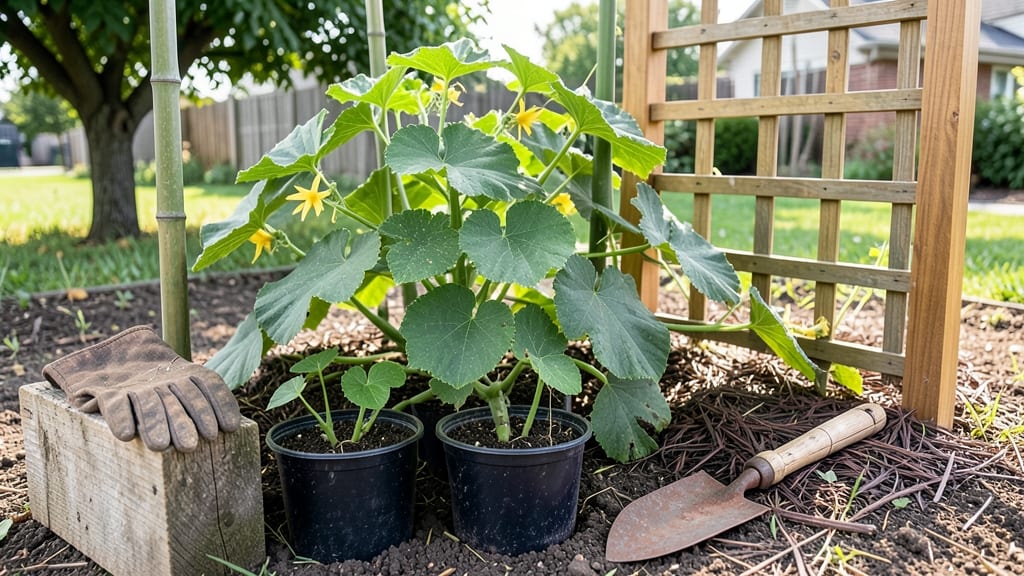
Timing your cucumber planting just right in Zone 8a could mean the difference between a bumper crop of crisp 🥒 and a sad, wilted vine. The key? Planting after your last frost date—but not so late that your harvest gets cut short by summer’s end.
In Zone 8a, where frost lingers until mid-February and returns by mid-November, you’ve got a narrow window to get cucumbers in the ground. Too early, and frost zaps your seedlings; too late, and you’ll miss peak harvest season.
I’ll break down the exact weeks before your last frost to plant for fast, reliable growth—plus how to stretch your season if you’re eager to grow.
You’ll also discover how soil temperature plays a bigger role than frost dates alone. Cucumbers need warm soil to sprout, and in Zone 8a, coastal areas warm faster than inland spots.
We’ll cover everything from soil prep to extending your harvest with simple tricks, so you can enjoy fresh cucumbers from spring to fall.
Ready to turn your garden into a cucumber powerhouse? Let’s dive into the precise schedule—and the secrets—that’ll have you harvesting like a pro this year.

Zone 8a cucumber planting timeline: exact weeks before last frost for maximum yield
In Zone 8a, timing your cucumber planting is all about avoiding frost while maximizing the 70-90 day growing season. The last average frost date is February 15, but soil temperature matters more than calendar dates.
Your goal? Plant cucumbers when soil reaches at least 60°F—this ensures fast germination and strong vines. For most of Zone 8a, that window opens in mid-March to early April, depending on your microclimate.
If you're growing bush varieties like 'Bush Champion', you can start 2-3 weeks earlier than vining types. These compact plants tolerate cooler soil better and mature faster. For standard vining cucumbers like 'Straight Eight', wait until soil is consistently warm to avoid stunted growth.
Coastal areas may have earlier planting dates (late February), while inland zones should wait until early April.
For a fall harvest, plant cucumbers in late July to early August to take advantage of Zone 8a's extended growing season. Choose shorter-day varieties like 'Diva' that mature quickly before cooler weather sets in.
If you're in a cooler microclimate within Zone 8a, opt for row covers to push your fall planting window to early September.
Transplants give you a 2-week head start over direct-seeded cucumbers. Start seeds indoors 3-4 weeks before your target outdoor planting date, using biodegradable pots to avoid root disturbance.
Harden off seedlings by placing them outdoors for 2-3 hours daily during the last week before transplanting. This gradual exposure prevents shock and ensures your plants establish quickly.
If you're using black plastic mulch, lay it down 1-2 weeks before planting to warm the soil faster. This technique lets you plant 2-3 weeks earlier in spring and extends the fall season by 3-4 weeks. Just
Zone 8a gardeners can also try succession planting for continuous harvests. After your first planting in spring, sow a second batch 4-6 weeks later to fill gaps. For fall, plant every 2 weeks from July to early September. This staggered approach ensures you always have fresh cucumbers from May through October without overcrowding your garden.
Don't forget about container growing if space is limited. Cucumbers thrive in 5-gallon buckets or larger, provided they have trellis support for vining varieties. Plant in containers 2-3 weeks after your ground planting date, when soil temperatures are consistently warm.
Just ensure containers have drainage holes and you're watering daily during heatwaves.
To calculate your exact planting window, check your local Almanac's frost calendar and subtract 70 days for standard varieties or 55 days for early-maturing types. Most Zone 8a areas have 210 frost-free days, giving you room for two full harvests if you plan carefully.
Bookmark your local coop extension service's frost date maps—they often provide hyper-local adjustments for your specific county.
Remember: cucumbers are heat-loving plants, but they hate cold snaps. Even in Zone 8a, late spring frosts can occur. Have frost cloth on hand for emergency protection if temperatures dip below 50°F after planting.
With the right timing, your cucumbers will produce abundant harvests all summer long—just don't wait until the last minute to get them in the ground!
5 Critical factors that determine your cucumber planting success in Zone 8a
Zone 8a’s mild winters and hot summers create unique challenges for cucumber growers. While frost dates set the basic timeline, soil temperature, sunlight exposure, and moisture balance can make or break your harvest.
Let’s break down the five critical factors that separate thriving vines from failed attempts—and how to optimize each one for your Zone 8a garden.
First, soil temperature is non-negotiable. Cucumbers won’t germinate until the soil reaches 60°F or warmer. In Zone 8a, this typically happens 2-4 weeks after your last frost date, depending on whether you’re in a coastal area (warmer, faster) or inland (cooler, slower).
Use a soil thermometer to confirm—planting too soon in cold soil leads to rotting seeds and stunted growth.
🌱 Critical Factors for Zone 8a Cucumbers
5- 🌡️ Soil temp ≥60°F (use black plastic mulch to warm faster)
- ☀️ 6+ hours full sun (coastal areas get morning shade; inland needs afternoon shade in peak heat)
- 💧 Consistent moisture (1-2 inches per week; drought stress = bitter fruit)
- 🌿 Companion plants (radishes deter pests; beans fix nitrogen)
- 🛡️ Row covers (extend season 2-3 weeks in spring/fall)
Next, sunlight exposure can vary dramatically across Zone 8a. Coastal gardens often experience morning fog or sea breezes that cool the air, while inland areas bake under intense afternoon sun.
Aim for 6+ hours of direct sunlight daily, but in inland zones, provide afternoon shade cloth (30-50%) when temperatures exceed 90°F to prevent sunscald on leaves and fruit.
Moisture is another game-changer. Cucumbers are 90% water, and inconsistent watering leads to bitter fruit or cracked skins. In Zone 8a’s heat, deep watering every 2-3 days (morning only) is ideal.
Use drip irrigation or soaker hoses to keep roots moist without wetting leaves—this prevents fungal diseases like powdery mildew, which thrives in humid Zone 8a summers.
Don’t overlook companion planting. Pair cucumbers with radishes or nasturtiums to deter pests like cucumber beetles, or plant beans nearby to fix nitrogen in the soil. Avoid planting near potatoes or sage, which stunt cucumber growth.
For fall harvests, try row covers to extend your season by 2-3 weeks—just remove them during pollination to attract bees.
Finally, variety selection matters. For spring planting, choose early-maturing varieties like ‘Straight Eight’ (55 days) or ‘Sweet Success’ (58 days). For fall, opt for heat-tolerant types like ‘Marketmore 76’ (65 days) or ‘Lemon Cucumber’ (60 days), which handle Zone 8a’s late-summer heat better.
Always check seed packets for days to maturity and adjust your planting timeline accordingly.