
How To
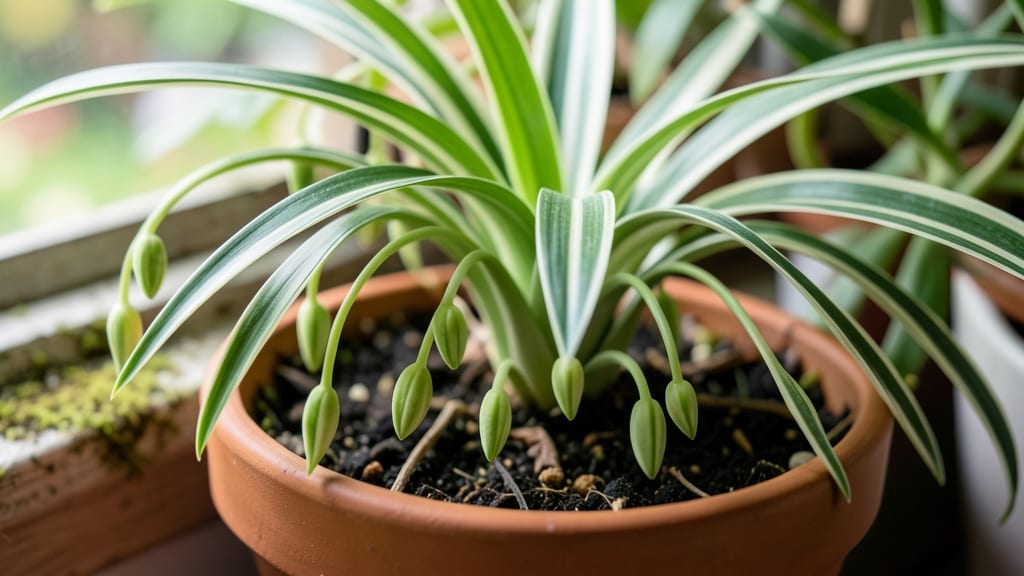
If your spider plant how much light it needs is the mystery behind its sad, droopy mess instead of its usual lush, striped beauty, chances are your lighting game is off. These hardy plants thrive in conditions most people overlook—bright but indirect sunlight that’s neither too harsh nor too dim.
You might think any corner will do, but too little light turns leaves pale and leggy, while too much sun burns those delicate stripes. The sweet spot? Placing your spider plant near an east or north-facing window where it gets 4-6 hours of gentle light daily.
Don’t worry if your home lacks natural light—we’ll cover how to mimic perfect conditions with artificial lighting and quick fixes for common light-related issues. By the end, your spider plant will be putting out those iconic "spiderettes" like a pro.
The key is understanding the subtle cues your plant gives, from yellowing leaves to crispy brown tips. Let’s get your spider plant back to its vibrant best with the right light strategy.

Ideal light conditions for spider plants: bright indirect sunlight explained
Spider plants (Chlorophytum comosum) thrive in bright indirect light, making them perfect for homes with moderate sunlight. Unlike sun-loving plants, they despise harsh rays that can scorch their leaves, yet they won’t flourish in dim corners either.
The ideal spot balances visibility and gentle illumination—think east-facing windows or a few feet back from a south window with sheer curtains.
If you’ve ever wondered why your spider plant’s leaves turn pale or stretch toward the light, it’s likely craving more brightness. These plants naturally grow under dappled forest light, so mimic that by placing them near a window with filtered sunshine.
Avoid deep shadows or direct midday sun, which can cause leaf burn or etiolation (weak, leggy growth).
Seasonal changes also affect light exposure. In winter, shorter days mean your spider plant may need a grow light supplement to maintain its vibrant stripes. Conversely, summer’s intense rays require extra protection—rotate your plant occasionally so all sides receive even light.
🌱 Spider Plant Light Requirements Summary
| Light Type | Intensity Level | Best Location | Seasonal Notes |
|---|---|---|---|
| Bright Indirect | 40-60% sunlight | East/west windows, 2-3 ft from south window | Spring/Fall: Ideal. Summer: Use sheer curtains. |
| Low Light | 20-30% sunlight | North-facing rooms, offices | Survives but grows slowly; supplement with grow lights. |
| Direct Sun | >70% sunlight | Avoid entirely | Causes brown tips and leaf burn within hours. |
💡 Pro Tip: Rotate your plant quarter-turns every 2 weeks to ensure even growth and prevent lopsided leaves.
For office environments or rooms with limited natural light, prioritize spots near north-facing windows or fluorescent lighting. If your spider plant starts stretching toward a single light source, it’s a clear sign of light deprivation.
Move it closer to a brighter area or introduce a LED grow bulb (6500K color temperature) to replicate daylight.
Another common mistake? Placing spider plants on glass-topped tables or near heat vents. The glass blocks light while the heat dries out the soil, creating a double stressor.
Instead, opt for open shelving or a windowsill with proper airflow. Remember, these plants are drought-tolerant but light-hungry—never compromise one for the other.
If you’re unsure about your home’s light levels, use a simple test: Hold a piece of white paper near your plant’s leaves. If the shadows are soft and diffuse, it’s perfect.
If the paper shows sharp, dark shadows, move the plant farther back or add a sheer curtain. This trick works for east, west, and south-facing windows alike.
Outdoor gardeners can also grow spider plants in partial shade gardens, where they’ll thrive under 30-50% sunlight. Just ensure they’re protected from midday heat and frost, as temperature swings stress their foliage.
In containers, use terracotta pots to prevent root rot from overwatering—a common issue when light is insufficient.
Lastly, pay attention to your spider plant’s growth patterns. Healthy leaves should be 2-3 feet long, with arching stems and vibrant stripes. If yours looks stunted or pale, it’s time to reassess its light situation.
The right brightness isn’t just about survival—it’s about unlocking those show-stopping variegated leaves you fell in love with!
Ideal light conditions for spider plants: bright indirect sunlight explained
Spider plants (Chlorophytum comosum) thrive in bright indirect light, which mimics their natural understory habitat. Too much direct sun causes leaf burn, while too little light leads to leggy, pale growth.
The goal is to place your plant where it gets 4-6 hours of filtered sunlight daily, like near an east-facing window where morning light is gentle.
North-facing windows work well too, but avoid south or west exposures unless you use sheer curtains to diffuse harsh rays. If your home lacks natural light, don’t panic—we’ll cover artificial solutions later. For now, focus on identifying the sweet spot where your spider plant’s variegated stripes stay vibrant and crisp.
🌱 Did You Know?
Seasonal adjustments are key. In summer’s intense sunlight, move your spider plant a few feet back from the window or rotate it weekly for even exposure. In winter’s dimmer days, supplement with a simple LED grow bulb (more on this later) to maintain its energy levels.
Pro tip: Test your spot by holding a piece of white paper near the plant. If the light casts a soft shadow (not crisp or blurry), it’s likely the perfect brightness. Direct sun creates sharp shadows, while dim corners produce no shadow at all—both extremes stress your plant.
For optimal growth, pair bright indirect light with well-draining soil and occasional misting to mimic humidity. Your spider plant will reward you with long, arching leaves and abundant spiderettes (those cute baby plants dangling from the ends of stems).
If your home only offers low-light conditions, like a north-facing basement or office, we’ll cover artificial lighting hacks next—no fancy equipment required! Just a few tweaks can transform a struggling plant into a thriving centerpiece.