
Plants
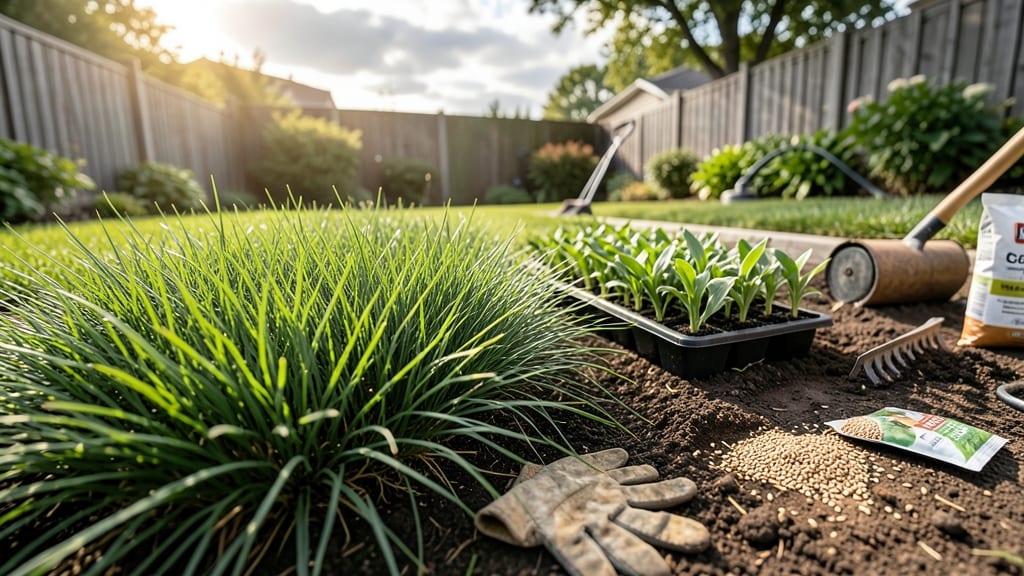
If you're dreaming of a vibrant, green lawn in Georgia, timing your grass (turfgrass) planting perfectly is the key to success.
The best time to plant grass in Georgia isn't just about picking a season—it's about aligning with soil temperatures, rainfall patterns, and your local microclimate to ensure strong root growth and lush coverage.
Georgia's 7a-8b climate zones mean you can't just follow a one-size-fits-all schedule. Whether you're in the humid Coastal Plains or the slightly cooler Piedmont region, understanding when to plant—typically between late summer and early fall or early spring—can make all the difference.
Skip the guesswork and learn the science behind the ideal planting window for your yard.
Let’s break down the exact months that work best, how to prepare your soil, and which grass types thrive in Georgia’s heat. With the right timing, you’ll be well on your way to a lawn that’s the envy of the neighborhood—no matter where you live in the state.
Ready to transform your patchy yard into a thriving green space? I’ll walk you through everything you need to know to plant at the perfect moment for your Georgia home.
Georgia grass planting timeline: ideal months by season (soil temp & rainfall guide)
Georgia’s climate presents two prime windows for planting grass: early spring and late summer to early fall. These periods align with soil temperatures between 55°F and 75°F, which are critical for seed germination and root establishment.
The Piedmont region (e.g., Atlanta) and Coastal Plains (e.g., Savannah) have slightly different ideal timelines due to microclimates and humidity levels.
For spring planting, aim for March through early April when soil warms up. This gives grass a head start before summer’s heat stress. Fall planting from mid-August to October is ideal because cooler temps and increased rainfall reduce drought stress, helping roots establish before winter dormancy.
Soil temperature is your best guide—use a soil thermometer to confirm it’s above 55°F at 4-inch depth. In Georgia, this typically happens in late February to early March in the Piedmont and early March to April in coastal areas.
Planting too early risks fungal diseases from lingering moisture, while waiting too long can lead to heat stress for young seedlings.
Georgia’s USDA Zones 7a-8b mean you’ll avoid frost damage during these windows, but late fall plantings (after October) risk exposure to early frosts. Always check your local frost dates—most of Georgia sees its last frost around mid-March and first frost around mid-November.
| Season | Ideal Months | Soil Temp | Rainfall | Regional Notes |
|---|---|---|---|---|
| Spring | March–April | 55°F–75°F | Moderate | Piedmont: March; Coastal: April |
| Fall | August–October | 60°F–75°F | High | Avoid Nov; roots need 6+ weeks to harden |
Rainfall patterns also play a key role. Spring plantings benefit from Georgia’s March–May showers, while fall plantings align with September–October humidity, reducing irrigation needs. In drier inland areas (e.g., West Georgia), supplement rainfall with 1 inch of water weekly until roots establish.
If you’re planting cool-season grasses (like tall fescue), prioritize early fall for maximum root growth before winter. For warm-season grasses (like Bermuda), late spring is better to avoid summer dormancy. Always test your soil pH (ideal: 6.0–7.0) and amend with lime or sulfur if needed before planting.
Microclimates matter—shady spots (e.g., under trees) may need earlier spring plantings to escape summer heat, while sunny south-facing lawns can handle late spring plantings without stress. Use a shade cloth if planting in partial shade to protect young grass from intense afternoon sun.
Pro tip: Overseed in late summer (August–September) if you have bare patches. This leverages natural rainfall and cooler temps for faster germination. Avoid planting in June or July—Georgia’s 90°F+ soil temps can scorch seeds and stunt growth.
Finally, mow high (3–4 inches) after planting to shade roots and retain moisture. This is especially critical in Georgia’s clay-heavy soils, which dry out quickly. Mulch with straw to lock in moisture and regulate soil temperature.
Timing your grass planting right in Georgia isn’t just about the calendar—it’s about soil, sun, and rain. By following these guidelines, you’ll give your lawn the best shot at thriving through Georgia’s hot summers and mild winters. 🌿
Georgia grass planting timeline: ideal months by season (soil temp & rainfall guide)
Georgia’s two best windows for planting grass are late summer to early fall and early spring, but the exact timing depends on your USDA Zone (7a-8b) and local microclimate.
The ideal soil temperature for germination is between 60°F and 75°F, which aligns with Georgia’s spring and fall seasons when humidity is lower and rainfall is more consistent.
In the Piedmont region (like Atlanta), aim for August through October when summer heat starts to ease. Meanwhile, the Coastal Plains (like Savannah) can plant slightly later—September through November—thanks to milder temperatures and higher humidity.
Both regions also benefit from early spring planting (March-April), just before the last frost date (around March 15).
Here’s how Georgia’s two primary planting windows compare, including soil temperature thresholds and rainfall patterns that impact success:
| Season | Best Months | Soil Temp | Rainfall | Notes |
|---|---|---|---|---|
| Spring | March-April | 60°F-75°F | Moderate (3-4 inches/month) | Cool-season grasses thrive; avoid planting too early before last frost. |
| Fall | August-October (Piedmont) / September-November (Coastal) | 65°F-80°F | Higher (4-5 inches/month) | Warm-season grasses establish roots before winter; cooler temps reduce stress. |
For Piedmont residents, September is the sweet spot—soil stays warm enough for germination while humidity drops, reducing fungal risks. Meanwhile, Coastal Georgia gardeners can extend planting into November thanks to the region’s milder winters.
If you miss these windows, avoid planting in summer (May-July), when soil temperatures often exceed 85°F, causing seeds to dry out before sprouting.
Pro tip: Use a soil thermometer to check temperatures at a 4-inch depth. If it’s below 55°F, wait—cold soil slows germination and weakens root development.
Pair this with 1 inch of rainfall per week (or supplemental watering) to keep seeds moist until they sprout in 7-21 days, depending on the grass type.
Timing isn’t just about the calendar—it’s about preparing your soil 4-6 weeks before planting. Test your soil pH (ideal: 6.0-7.0), loosen compacted areas with a garden fork, and remove weeds. This prep ensures your grass gets off to a strong start, no matter which Georgia region you’re in.
Once you’ve locked in the right window, the next step is choosing the perfect grass type for your yard’s sun exposure and foot traffic. Warm-season grasses like Bermuda or Zoysia dominate Georgia lawns, but cool-season Fescue can also thrive in shadier spots.
Let’s dive into how to pick the best fit for your climate and lifestyle.