
Watering
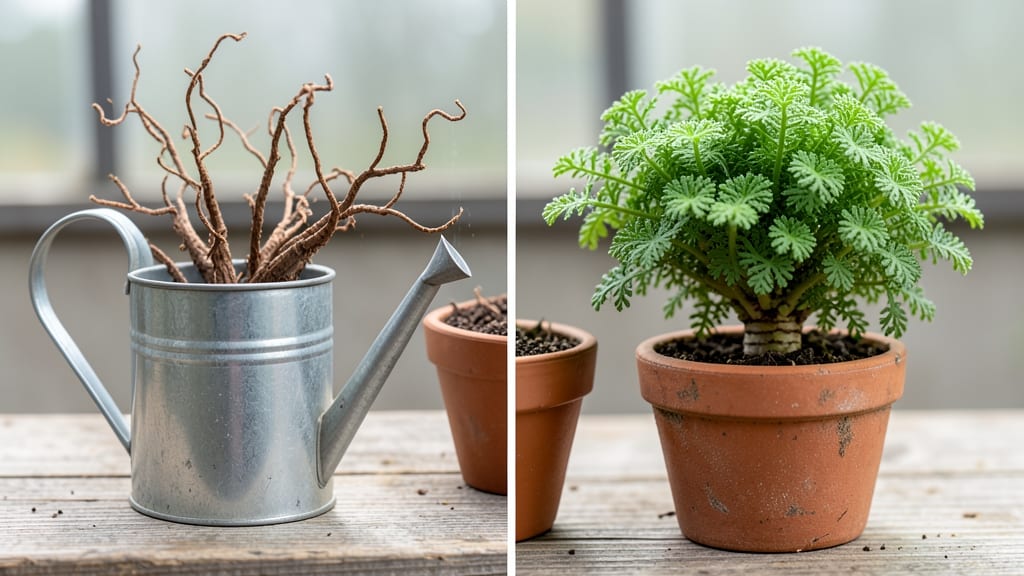
How much water does a resurrection plant need to survive—and then some? This drought-resistant wonder can dry out completely and still bounce back to life like something out of a sci-fi movie, but the key to keeping it thriving lies in mastering its watering routine.
Most plants wilt when you forget to water them, but this hardy desert dweller thrives on neglect. The secret lies in understanding how much water it truly needs—too much can drown its delicate roots, while too little might keep it dormant longer than necessary.
In this guide, I'll walk you through everything from watering frequency to recognizing the subtle signs of over- or under-watering.
You'll discover how to mimic its natural desert habitat, even in your living room, so your resurrection plant stays perky and ready to spring back to life at a moment's notice.
Whether you're a seasoned plant parent or just starting your green thumb journey, these insights will help you master the art of watering this fascinating plant without the guesswork. Let's get started!

How much water does a resurrection plant need for survival?
The resurrection plant thrives on neglect—literally. Unlike most plants, it’s designed to survive months without water, making it one of the most drought-tolerant species on Earth. In its natural habitat, these plants endure arid desert conditions where rainfall is rare.
For your home garden, this means watering sparingly is the key to success, not drowning it in care.
When growing a resurrection plant, think of water as a seasonal resource, not a daily ritual. Overwatering is the #1 killer—this plant’s succulent-like roots store moisture efficiently, but soggy soil leads to root rot faster than you’d expect.
The goal? Mimic its natural desert cycles of drought followed by brief revival.
Here’s the golden rule: Water deeply but infrequently. A 100-150ml soak every 10-14 days in spring and fall keeps most plants happy. During summer heat, you might stretch this to weekly if the pot dries out quickly, but never let water pool at the bottom.
Winter slows everything down—monthly watering is often enough.
🌱
| Season | Watering Frequency | Soil Moisture Goal | Signs of Stress |
|---|---|---|---|
| Spring | Every 10-14 days | Completely dry between waterings | Wrinkled leaves = needs water |
| Summer | Weekly (if pot dries fast) | Top 1-2 inches dry | Yellowing = overwatering |
| Fall | Every 10-14 days | Dry completely | Slow growth = normal |
| Winter | Monthly | Near-dormancy; barely moist | Mushy stems = rot |
Your resurrection plant’s pot size matters more than you’d think. Smaller pots dry out faster, so terracotta or unglazed containers help wick away excess moisture. If using a 6-inch pot, check soil moisture with your finger—if the top 1 inch feels dry, it’s time to water.
Pro tip: Use a moisture meter for accuracy, especially if you’re new to drought-tolerant plants.
Humidity plays a sneaky role too. In dry climates, your plant might need water slightly more often (every 7-10 days) because the air pulls moisture from the soil faster.
If you’re in a humid environment, stretch waterings to every 2 weeks—the air’s moisture slows evaporation, keeping the soil damp longer than ideal.
One of my biggest lessons? Never water on a schedule. Instead, check the soil first. Stick your finger 1 inch deep—if it’s bone dry, water until it runs out the drainage holes.
If it’s still damp, wait another week. This hands-on approach prevents both underwatering (which it can handle) and overwatering (which it cannot).
💧
Seasonal adjustments are everything. In spring and fall, your plant is actively growing and needs regular but light watering. But by late summer, it may enter a pre-dormancy phase, slowing water uptake.
Watch for wrinkled leaves—this is normal and means it’s conserving water, not dying. In winter, reduce watering to once a month or less, letting the soil stay nearly dry.
One common mistake? Assuming a "dry" plant is dead. The resurrection plant’s true magic is its ability to revive after months without water. If yours looks crispy, don’t panic—it’s just dormant.
The key is reviving it properly (we’ll cover that in the next section!). For now, remember: less water = longer life for this desert marvel.
How much water does a resurrection plant need for survival?
The resurrection plant (Selaginella spp.) thrives on minimal water—its natural desert habitat teaches it to survive on drought conditions. Unlike most plants, it doesn’t need regular watering; instead, it prefers deep soaks followed by complete dryness.
This means watering every 10-14 days during active growth (spring and summer) and monthly in winter when it enters dormancy.
Overwatering is the biggest mistake with resurrection plants. Their roots rot quickly in soggy soil, and excess moisture can prevent them from entering their natural dormant state.
The key is to mimic their arid environment—water only when the top inch of soil feels bone-dry to the touch. This ensures they get enough moisture without drowning.
🌱
| Season | Watering Frequency | Soil Moisture Goal |
|---|---|---|
| Spring | Every 10-14 days | Completely dry between waterings |
| Summer | Every 7-10 days (if pot dries quickly) | Top inch bone-dry |
| Fall | Every 14-21 days | Allow 75% dryness |
| Winter | Monthly (or less) | Nearly dry; minimal water |
Pay attention to your plant’s signs of distress. If the leaves turn yellow or mushy, you’re overwatering. If they curl inward and feel crispy, it’s thirsty—but don’t panic!
This is just its way of telling you it’s time for a revival soak. A healthy resurrection plant should feel firm and slightly plump when hydrated.
Container size matters too. Smaller pots dry out faster, so terracotta or unglazed pots help wick away excess moisture. If you’re growing yours in a larger container, reduce watering frequency to prevent soggy soil at the roots. Always use a pot with drainage holes to avoid waterlogging.
For extra insurance, I recommend using a moisture meter or the finger test—stick your finger an inch into the soil. If it’s dry, it’s time to water.
If it’s damp, wait a few more days. This simple habit saves resurrection plants from root rot and keeps them happy for years.
💧