
Plants
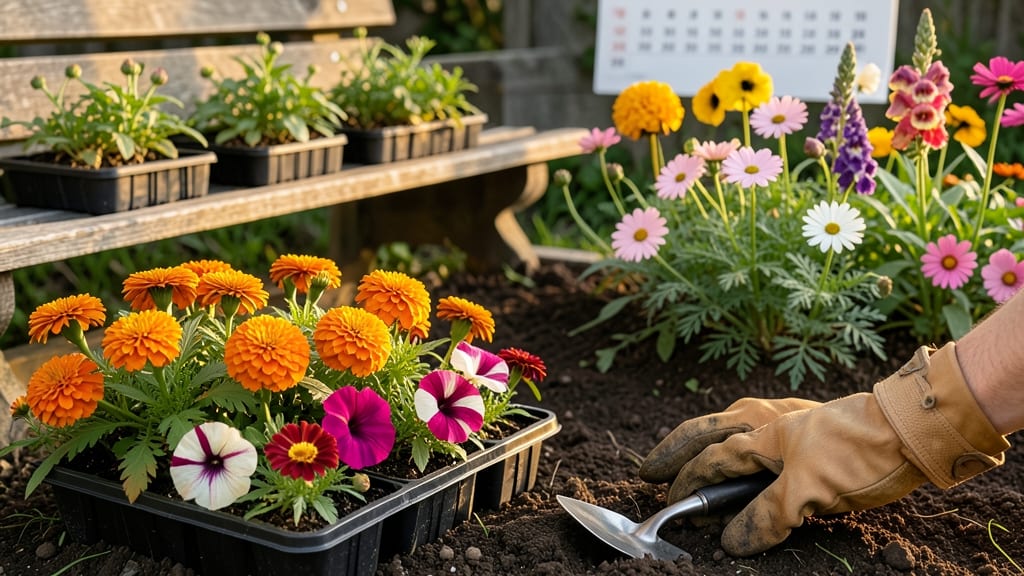
Zone 6 frost dates & best annual planting windows by month
Timing your annuals correctly in Zone 6 means the difference between a garden bursting with color and one that fizzles out before summer’s peak. The last frost date in Zone 6 typically falls between mid-April and early May, while the first frost arrives around mid-October to early November.
This gives you roughly 165 frost-free days to work with—plenty of time for vibrant blooms and bountiful harvests if you plan strategically.
Annuals fall into two main categories: cool-season (like pansies and lettuce) and warm-season (like tomatoes and marigolds). Cool-season plants can often handle light frosts, while warm-season varieties need soil temperatures above 50°F (10°C) and no risk of frost. Understanding these distinctions is key to maximizing your garden’s potential.
Here’s a breakdown of the best planting windows for each month in Zone 6, tailored to both flowers and vegetables for optimal growth and bloom time.
For spring planting, aim to get warm-season annuals in the ground 2-4 weeks after your last frost date.
This gives them enough time to establish roots before the heat of summer. Fall planting should start 4-6 weeks before your first frost—this ensures cool-season plants have time to mature before cold weather sets in.
Pro tip: Use row covers or cold frames to extend your planting window by 2-4 weeks in early spring or late fall. This is especially useful for heat-loving plants like tomatoes or cool-tolerant flowers like snapdragons.
If you’re unsure about your exact frost dates, check with your local cooperative extension service—they provide hyper-local data that can save your plants (and your sanity!). For most of Zone 6, May 15th is a safe bet for warm-season
Zone 6 frost dates & best annual planting windows by month
Understanding Zone 6 frost dates is the key to planting annuals successfully. In this zone, the average last frost date falls between mid-April and early May, while the first frost typically arrives around mid-October to early November.
This gives you roughly 165 frost-free days to grow your favorite annuals, from vibrant marigolds to crisp lettuce.
Your planting window depends on whether you're growing cool-season annuals or warm-season varieties. Cool-season plants like pansies and spinach can handle light frosts, while warm-season favorites such as tomatoes and basil need to wait until all danger of frost has passed.
Let’s break down the best months for each type to maximize your garden’s potential.
🌱 Zone 6 Annual Planting Schedule
| Season | Planting Window | Best Annuals | Soil Temp Requirement |
|---|---|---|---|
| Early Spring | Late March - Early April | Pansies, Lettuce, Spinach, Kale | 40-50°F (4-10°C) |
| Late Spring | Mid-April - Early May | Marigolds, Petunias, Zinnias, Basil | 50-60°F (10-15°C) |
| Summer | June - July | Sunflowers, Tomatoes, Peppers, Cucumbers | 60°F+ (15°C+) |
| Early Fall | Late July - Early August | Cosmos, Snapdragons, Bush Beans, Radishes | 50-60°F (10-15°C) |
📅 Pro Tip: Always check your local last frost date—it can vary by 1-2 weeks even within Zone 6!
For cool-season annuals, start planting as early as late March if you’re using row covers or a cold frame.
These hardy plants can tolerate light frosts and often produce faster in cooler weather. Warm-season annuals, on the other hand, should wait until after the last frost date—typically mid-May in most of Zone 6—to avoid stunted growth or death from unexpected cold snaps.
Don’t forget about succession planting! Many annuals, like lettuce and bush beans, benefit from staggered plantings every 2-3 weeks. This ensures a continuous harvest and prevents wasted space in your garden.
For example, plant a new batch of basil every 4 weeks in late spring to enjoy fresh herbs all summer long.
If you’re aiming for a fall garden, start planting heat-tolerant annuals like cosmos or zinnias in late July. These plants can handle summer heat and still bloom beautifully before the first frost.
For cooler-loving varieties, like kale or pansies, wait until early August to give them enough time to mature before winter sets in.
By aligning your planting schedule with Zone 6 frost dates and soil temperature guidelines, you’ll set your annuals up for success. Whether you’re filling your garden with colorful blooms or fresh homegrown veggies, timing is the secret to a thriving garden! 🌻