
Trees
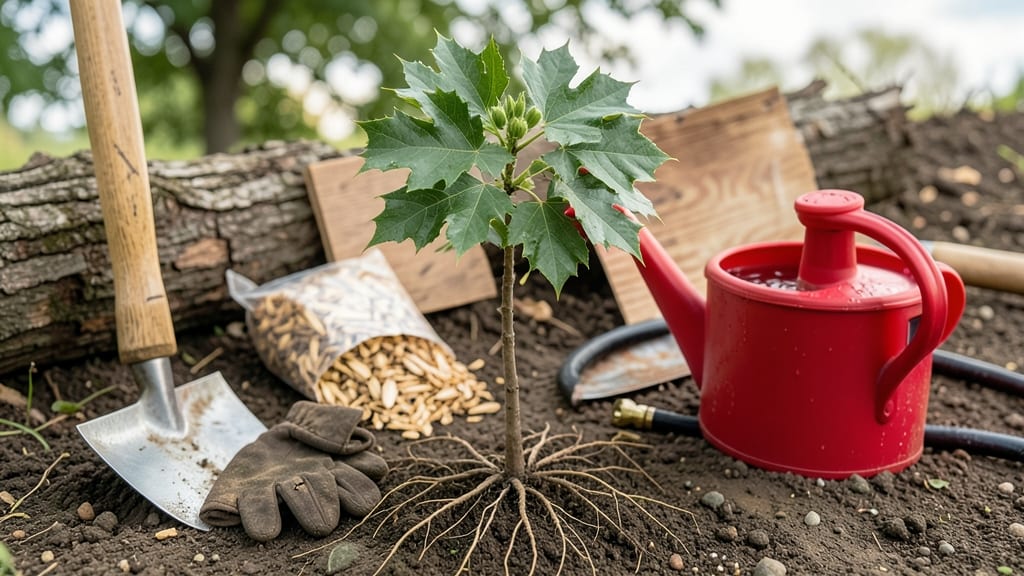
Planting a tree in Indiana at the wrong time can mean struggling growth, poor root establishment, or even death—so timing is everything for long-term success.
If you're dreaming of a shady backyard spot or a windbreak for your property, fall and early spring are your golden windows in zones 5b-6b. But why? Because these months let your tree's roots settle before extreme heat or cold hits, giving it the best chance to thrive.
I'll show you exactly when to dig in for maximum success.
You might think any time of year works, but Indiana's climate has specific rules. Too early, and frost can damage tender roots; too late, and your tree won't establish before winter.
Let's break down the best months for planting different tree types and how to prepare your soil for optimal growth.
Ready to plant? I'll walk you through the exact steps—from checking soil temperature to post-planting care—that will help your new 🌳 grow strong for decades. Let's get started!
Indiana’s ideal tree planting months by hardiness zones 5 & 6
Indiana’s climate—spanning USDA hardiness zones 5b and 6a—creates distinct windows for planting trees. The best times are early spring and fall, when soil temperatures hover between 40°F and 60°F, allowing roots to establish without stress.
Northern Indiana (zone 5b) has a slightly shorter growing season, so timing matters even more.
In spring, aim to plant between March and April, after the last frost date (typically mid-April) but before the ground dries out. Fall planting in September through November gives roots time to grow before winter dormancy.
Southern Indiana (zone 6a) can extend fall planting into early November, while northern areas should finish by mid-October.
Bare-root trees thrive when planted in early spring or fall, as their roots can quickly absorb moisture. Container-grown trees offer more flexibility but still benefit from cooler temperatures. Avoid planting in summer heat or deep winter, as extreme conditions stunt root development.
| Planting Window | Zone 5b (Northern IN) | Zone 6a (Southern IN) | Key Considerations |
|---|---|---|---|
| Early Spring | March–April | March–April | Soil temps >40°F; avoid frost risk |
| Fall | September–Mid-October | September–Early November | 6–8 weeks before first frost; roots harden before winter |
| Avoid | June–August | June–August | Extreme heat dries soil; poor root establishment |
| Container Trees | Year-round (except deep freeze) | Year-round (except deep freeze) | Flexible but needs consistent moisture |
For bare-root trees, prioritize planting in early spring (March–April) to capitalize on Indiana’s 165 frost-free days. Dig a hole twice as wide as the root ball but no deeper, then backfill with native soil mixed with compost. Water deeply to eliminate air pockets and encourage root spread.
In fall, focus on planting by October 15 in northern Indiana and November 1 in the south. This timing allows roots to establish before winter dormancy. Mulch heavily (3–4 inches) to insulate roots, but avoid piling mulch against the trunk to prevent rot.
Indiana’s microclimates can shift planting windows by weeks. Urban areas like Indianapolis may experience 2–3°F warmer soil temps than rural zones, extending fall planting. Check local Purdue Extension resources for hyper-local frost dates and soil conditions.
If you miss the ideal windows, container-grown trees can be planted in late spring or early summer, but expect slower initial growth. Always water deeply after planting and monitor soil moisture—drought stress in summer can kill young trees within weeks.
Pro tip: Use a soil thermometer to confirm ground temps are above 40°F before planting. Cool soil slows root growth, while temps above 70°F can cause transplant shock. Aim for the goldilocks zone of 50–60°F for optimal success.
🌳
Indiana’s ideal tree planting months by hardiness zones 5 & 6
Indiana’s climate spans USDA hardiness zones 5b and 6a, which means your tree planting window hinges on avoiding frost and extreme heat. In Zone 5b (northern Indiana), aim for early spring (March-April) or fall (September-November).
Meanwhile, Zone 6a (southern Indiana) offers a slightly longer window, but timing still matters—plant too early, and frost will damage roots; too late, and your tree won’t establish before winter.
Why these months? Fall planting lets roots grow before dormancy, while spring planting avoids winter stress. Container-grown trees are more flexible, but bare-root trees need cooler soil. I’ll break down the best times for each zone, including soil temperature thresholds and frost-free windows.
🌱
| Zone | Best Planting Window | Soil Temp Threshold | Frost Risk |
|---|---|---|---|
| 5b (Northern IN) | March 15–April 15 (Spring) or Sept 15–Oct 31 (Fall) | 45–55°F (for root growth) | High in March/April; Low in Sept/Oct |
| 6a (Southern IN) | March 1–April 30 (Spring) or Sept 1–Nov 15 (Fall) | 50–60°F (warmer soil = faster growth) | Moderate in March/April; Low in Sept/Oct |
🌡️ Plant when soil temps are ideal and frost risk is low!
For Zone 5b, prioritize fall planting (September-November)—roots grow until frost, and the tree enters dormancy prepared. In Zone 6a, you can extend planting into early December if soil isn’t frozen, but avoid late winter (January-February) when roots can’t recover from cold snaps.
Pro tip: Use a soil thermometer to check temps—roots need 45–60°F to establish. If you’re planting in late fall (November), choose drought-tolerant species like oak or hickory, as winter watering is tricky.
Evergreens (like pine or spruce) need extra care—they transpire year-round, so plant them in early fall (September) to avoid winter desiccation. Deciduous trees (maple, birch) are more forgiving and can handle late fall (October-November) plantings.
🌳