
Plants
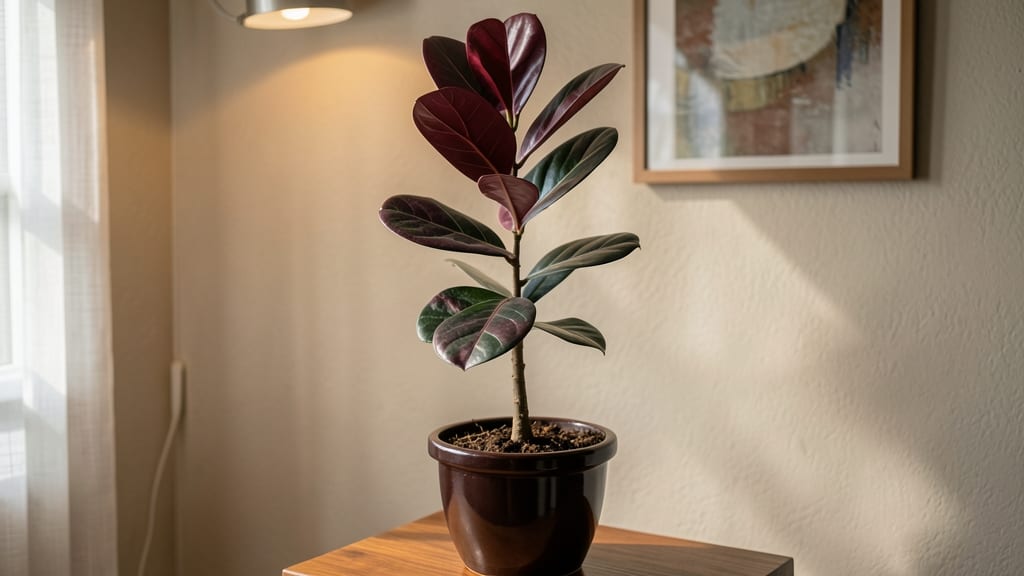
Ever wondered how tall a rubber plant can grow? If you're imagining it as a modest desk companion, you might be surprised—these tropical plants stretch taller than most people expect, with some varieties reaching toward the ceiling like small indoor trees.
If you're planning your plant layout or just curious about how much space to allocate, knowing the mature height of a rubber plant is key. These plants can grow anywhere from 3 feet to a towering 10 feet indoors, depending on care and variety.
The good news? With the right approach, you can influence their growth to fit your space perfectly.
What really determines whether your rubber plant becomes a floor-to-ceiling statement piece or stays a manageable mid-sized plant? Light exposure, pruning habits, and even pot size all play a role. I’ll break down how each factor affects growth and share easy tips to keep your plant at your ideal height.
Whether you're a beginner or a seasoned plant parent, understanding these growth patterns will help you create the perfect indoor jungle—without any unexpected surprises. Let’s dive into how tall your rubber plant could grow and how to manage it for years of happy, healthy foliage.

Rubber plant height by variety: from compact to towering giants
Rubber plants (Ficus elastica) are famous for their bold, glossy leaves and impressive vertical growth potential. But did you know their mature height can vary dramatically depending on the variety?
Some stay compact enough for desks, while others grow tall enough to need ceiling clearance. Let's explore the most popular types and their typical height ranges.
Understanding these differences helps you choose the perfect rubber plant for your space. Whether you want a small statement plant or a tall indoor tree, selecting the right variety is key. I'll break down each type's growth characteristics so you can visualize their mature sizes before bringing one home.
🌿
| Variety | Mature Height Range | Growth Rate | Notes |
|---|---|---|---|
| Standard (Ficus elastica) | 6-10 ft (1.8-3 m) | Moderate (1-2 ft/year) | Classic dark green leaves; needs support for tall growth |
| Variegated (e.g., 'Tineke') | 3-6 ft (0.9-1.8 m) | Slow to moderate | Cream/yellow variegation; more compact but sun-sensitive |
| Burgundy (e.g., 'Black Prince') | 5-8 ft (1.5-2.4 m) | Moderate (1 ft/year) | Deep burgundy leaves; dramatic color but needs bright light |
| Miniature (e.g., 'Doescheri') | 1-3 ft (0.3-0.9 m) | Slow (6-12 in/year) | Small leaves; ideal for desks or shelves |
| Outdoor (e.g., 'Robusta') | 10-15 ft (3-4.5 m) | Fast (2-3 ft/year) | Needs outdoor conditions; can become small trees |
The standard rubber plant is the most common variety, often reaching 6-10 feet tall indoors with proper care. Its thick, leathery leaves and upright growth make it a natural focal point in larger rooms.
If you're working with limited ceiling height, consider the variegated varieties like 'Tineke,' which typically max out around 3-6 feet.
For those with dramatic color preferences, the burgundy-leaved varieties offer stunning visual impact while maintaining a more manageable 5-8 foot height. These plants thrive in bright, indirect light, which enhances their rich foliage colors.
If you're looking for something truly compact, miniature varieties like 'Doescheri' are perfect for desks or small tables.
🌳
It's important to note that outdoor rubber plants can grow significantly taller—sometimes reaching 10-15 feet—when planted in garden beds. These varieties need more space and sunlight to achieve their full potential. Always check your local climate zone, as rubber plants prefer USDA zones 10-12 for outdoor planting.
When selecting a rubber plant, consider both its mature height and your available space. A 6-foot plant in a 10-foot ceiling room will look stunning, while the same plant in an 8-foot ceiling might need regular pruning to maintain an elegant shape.
I recommend measuring your space before purchasing to ensure your new plant will fit comfortably.
🪴
Another factor to consider is the plant's growth rate. While some varieties grow 1-2 feet per year, others may take several years to reach their mature height. This gradual growth allows you to monitor and manage the plant's size over time.
Regular pruning can also help control height while encouraging bushier growth—something I'll cover in more detail in the next section.
Factors that control rubber plant growth height: light, pruning, and pot size
Your rubber plant's final height isn't set in stone—it's shaped by three key factors: light exposure, pruning habits, and pot size. Unlike outdoor trees, indoor rubber plants grow slower but can still reach ceiling heights if left unchecked.
Understanding these controls lets you guide growth toward your ideal plant size.
First, light exposure acts like a natural growth accelerator. Rubber plants crave bright indirect light—think east-facing windows or 10-15 feet from south-facing glass. In low light, growth slows dramatically, keeping plants 3-5 feet tall over years.
But place one in optimal conditions, and you'll see 2-3 feet of growth annually in younger plants.
Here's where most gardeners make mistakes: pruning isn't just for shaping—it's a height control tool. Regular tip pruning (snipping the top 2-3 inches) redirects energy to lateral branches, creating bushier plants that stay 3-6 feet tall instead of shooting upward.
The key? Prune in spring or early summer when growth is most active.
Don't overlook your pot size—root-bound plants grow taller faster as they compete for space. A 5-gallon pot will produce a 6-8 foot plant in 3 years, while a 1-gallon container keeps growth under 3 feet.
The secret? Choose a pot 1-2 inches wider than the root ball and replace every 2 years to prevent overcrowding.
Even with perfect care, rubber plants have genetic height limits based on their variety. For example, 'Black Prince' stays compact (3-5 feet) while 'Tineke' can reach 8-10 feet.
The good news? You can train any variety to stay within your space by combining pruning, light control, and pot management.
Remember: height control is about balance. Too much pruning stunts growth; too little light slows it. Aim for moderate conditions—bright indirect light, regular pruning, and proper pot sizing—to achieve your ideal rubber plant height without sacrificing its tropical beauty.