
How To
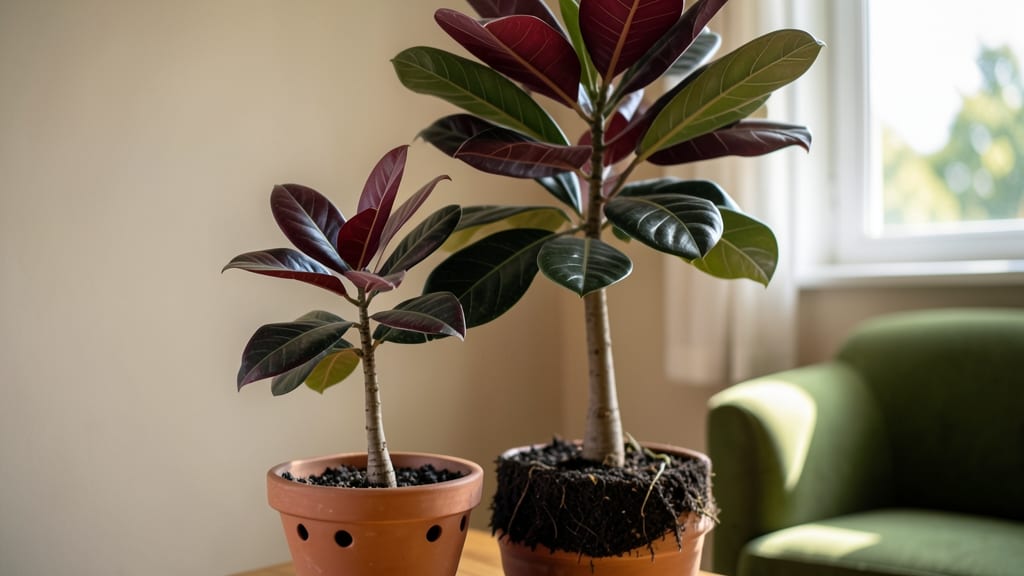
Watching your rubber plant 🌿 grow tall is exciting—until you realize it might soon outgrow your favorite shelf! If you're wondering how tall these glossy-leaved giants can get, the answer depends on where you grow them and which variety you choose.
Indoors, most rubber plants reach 6 to 10 feet at maturity, making them perfect for adding drama to living rooms or offices. But with the right care, you can keep them smaller—or even encourage them to grow taller if that's your goal.
The key lies in light exposure, pruning habits, and container size.
Outdoors in warmer climates, these tropical plants can soar to 30 feet or more, becoming small trees. Whether you're dealing with a compact 'Decora' or a bold 'Black Prince,' understanding their growth patterns helps you plan for their future size.
Let's break down exactly how tall rubber plants grow, how to manage their height, and which varieties stay on the shorter side—so you can enjoy their lush foliage without the stress of a ceiling-bound monster.

Average height of rubber plants by variety: indoor growth expectations
Rubber plants (Ficus elastica) are prized for their striking foliage and adaptability, but their mature height can vary dramatically depending on the variety and growing conditions. Indoors, most rubber plants reach 6 to 10 feet tall with proper care, though some compact varieties stay under 3 feet.
Understanding these growth ranges helps you select the perfect plant for your space—whether you want a floor-filling focal point or a manageable tabletop plant.
For example, the standard rubber plant typically grows 8 to 10 feet tall indoors over 3 to 5 years, while dwarf varieties like 'Petite' or 'Burgundy' max out at 3 to 5 feet.
Even within the same species, growth habits differ based on light exposure, pruning, and container size. Let’s break down the most popular varieties and their expected heights to help you plan your garden layout.
🌿
| Variety | Mature Height (Indoors) | Growth Rate | Best For |
|---|---|---|---|
| Standard Rubber Plant | 6–10 ft | Moderate (1–2 ft/year) | Floor plants, statement pieces |
| 'Black Prince' | 5–8 ft | Moderate (1 ft/year) | Low-light tolerance, dramatic foliage |
| 'Decora' | 3–6 ft | Slow to moderate (6–12 in/year) | Tables, shelves, small spaces |
| 'Burgundy' | 4–7 ft | Moderate (1 ft/year) | Color contrast, medium-height displays |
| 'Petite' | 2–4 ft | Slow (4–6 in/year) | Desks, windowsills, small apartments |
| 'Tineke' | 5–8 ft | Moderate (1–2 ft/year) | Variegated foliage, bright spaces |
If you’re working with limited vertical space, varieties like 'Petite' or 'Decora' are ideal—they mature at 3 to 4 feet, making them perfect for desks, shelves, or countertops.
On the other hand, standard varieties like 'Black Prince' or 'Tineke' thrive as floor plants, adding height and texture to living rooms or offices. Even in small apartments, a pruned rubber plant can stay under 5 feet while still making a bold statement.
Outdoors in tropical climates (USDA Zones 9–11), rubber plants can grow wildly taller, often reaching 10 to 20 feet or more. However, indoors, their growth is controlled by container size, light levels, and seasonal changes.
For instance, a rubber plant in a 12-inch pot will grow slower than one in a 24-inch pot, where roots have more room to expand vertically.
🌱
Another factor to consider is the growth rate of your rubber plant. Younger plants add 6 to 12 inches per year, while mature specimens may grow only 4 to 6 inches annually.
This slower growth in maturity is why many gardeners prune their rubber plants to maintain a desired height. For example, if you want a 4-foot plant, regular pruning every 12 to 18 months can keep it at that height indefinitely.
Pro tip: If you’re unsure about a variety’s growth potential, check the nursery tag or plant description—many sellers now list mature heights to help buyers plan. And remember, even if a rubber plant grows taller than expected, pruning is always an option to reset its size.
This makes rubber plants incredibly versatile for both small apartments and large homes.
✂️
Factors that control rubber plant height: light, pruning, and care tips
Your rubber plant’s final height isn’t set in stone—it’s shaped by the care you provide. The biggest factors influencing growth are light exposure, pruning habits, and container size.
Understanding these can help you steer your plant toward your ideal height, whether that’s a towering centerpiece or a manageable tabletop plant.
Light exposure is the #1 driver of rubber plant growth. These tropical plants thrive in bright, indirect light, which encourages rapid vertical growth. Place yours near an east-facing window for morning sun without harsh afternoon rays. If your plant stretches toward the light or develops leggy stems, it’s begging for more brightness—but avoid direct sun, which can scorch those glossy leaves.
Pruning is your secret weapon for controlling height. Regular trims encourage bushier growth and prevent your plant from becoming a ceiling-bound giant. I recommend trimming back leggy stems in early spring to redirect energy toward fuller foliage. Just be sure to use clean, sharp pruners and let cuttings dry for a day before propagating them—this keeps your plant healthy and gives you free new plants!
Container size plays a surprising role in height control. Rubber plants left in small pots will focus their energy on growing taller rather than wider. If you want a compact plant, choose a slightly larger pot (1-2 inches wider) every 2-3 years. This encourages root growth and stabilizes the plant’s height. For faster vertical growth, keep the roots slightly root-bound—just don’t let them circle the pot!
🌱 Top 4 Factors That Control Rubber Plant Height
- 💡 Light Exposure: More light = faster, taller growth. Aim for 4-6 hours of bright indirect light daily.
- ✂️ Pruning Frequency: Trim leggy stems in early spring to encourage bushier, controlled growth.
- 🪴 Container Size: Smaller pots = taller plants. Upgrade pots every 2-3 years for balanced growth.
- 💧 Watering Habits: Overwatering stresses plants, slowing growth. Let soil dry 1-2 inches deep between waterings.
"A well-pruned rubber plant in the right light can stay half its natural height—perfect for small spaces!"
Don’t overlook temperature and humidity—rubber plants love warmth (65-80°F) and moderate humidity. If your home is dry, mist the leaves occasionally or place the pot on a pebble tray to boost growth.
Cooler temps or drafts can stunt growth, so keep your plant away from windows or doors that get chilly.
Finally, fertilizing at the right time can influence height. Use a balanced fertilizer (10-10-10) in early spring to kickstart growth, but avoid feeding in fall or winter when the plant rests.
Too much fertilizer can lead to rapid, weak growth—so follow the rule: feed lightly, feed often during the growing season.
With these tips, you’ll have a rubber plant that grows exactly how you want—whether that’s a 6-foot statement plant or a 3-foot desk companion. The key is consistency in care and a little strategic pruning to keep things in check.