
How To
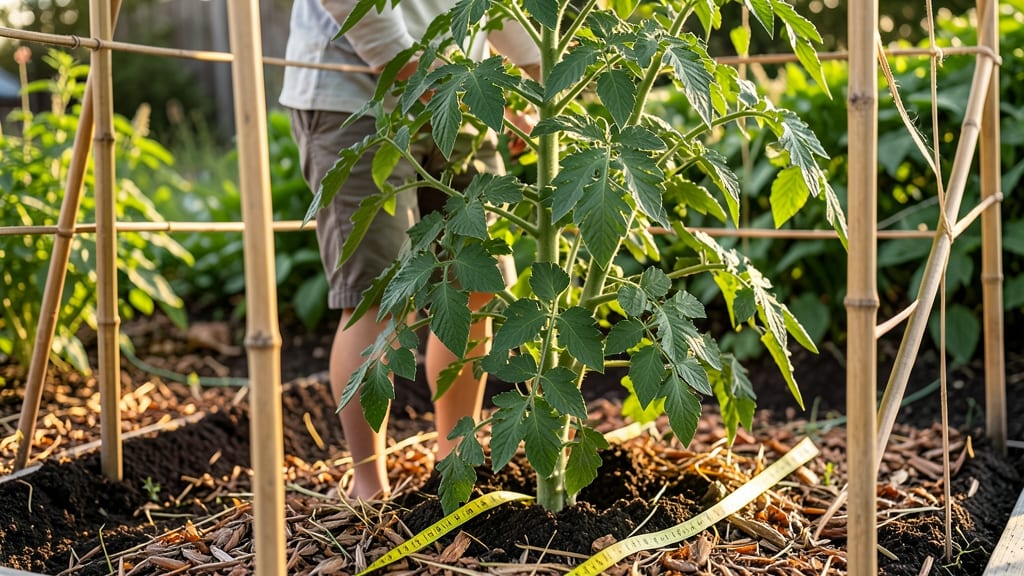
If you're planning your garden this spring, knowing how tall your tomato plants will grow could save you from a tangled mess of vines or a missed harvest. The truth is, your 🍅 plants can range from compact 1-foot shrubs to towering 10-foot giants—depending entirely on the variety you choose.
Most gardeners make the mistake of assuming all tomato plants need the same support, but that couldn’t be further from the truth. Determinate varieties stay manageable with simple cages, while indeterminate types climb like jungle vines if left unchecked.
Without the right setup, you might end up with fruit rotting on the ground or struggling to reach your plants at all.
Here’s the good news: with a few key insights, you can predict your tomato’s growth habits before planting. I’ll break down the height ranges for common varieties, when to start staking, and how to keep your plants happy—no guesswork required.
Let’s make sure your garden stays organized and your harvest stays plentiful.
Whether you’re working with limited space or dreaming of a vertical tomato jungle, understanding these growth patterns is the first step to a stress-free growing season. Ready to set your plants up for success?

Tomato plant height by variety: dwarf to vining giants
Tomato plants come in all shapes and sizes, but their final height depends almost entirely on the variety you choose. If you’re planning your garden layout, knowing whether you’re growing bushy dwarf tomatoes or towering vining varieties will save you from last-minute scrambling for supports.
Let’s break down the most common types and their mature heights.
First, there are two main growth habits: determinate (bushy) and indeterminate (vining). Determinate varieties stop growing once they reach maturity, while indeterminate types keep climbing until frost—sometimes reaching 10+ feet! Your choice here will dictate whether you need a cage, stake, or trellis.
For example, cherry tomatoes like 'Sweet 100' or 'Tiny Tim' stay compact at 1-3 feet, perfect for containers or small gardens. Meanwhile, heirloom varieties like 'Brandywine' or 'Cherokee Purple' can stretch 6-12 feet if left unchecked, making them ideal for vertical gardens or trellises.
Here’s a quick reference for common tomato varieties and their typical mature heights:
| Variety Type | Height Range | Growth Habit | Best For |
|---|---|---|---|
| Dwarf/Cherry | 1–3 ft | Determinate | Containers, small spaces |
| Beefsteak/Slicing | 4–6 ft | Determinate | Stakes, cages, in-ground |
| Indeterminate Heirloom | 6–12+ ft | Indeterminate | Trellises, vertical gardens |
| Roma/Plum | 3–5 ft | Determinate | Sauces, canning, medium cages |
| Hybrid Indeterminate | 5–8 ft | Indeterminate | Balconies, large pots, trellises |
If you’re growing indeterminate varieties, their unlimited growth means you’ll need to prune regularly to manage height and improve airflow. Without support, these vines can sprawl 10+ feet, risking disease and breaking under the weight of fruit.
On the other hand, determinate varieties are self-contained and rarely exceed 5 feet, making them low-maintenance for beginners.
Pro tip: Check seed packets or plant tags for mature height estimates—this is your best guide for planning. If you’re short on space, opt for bush varieties or train vining types vertically with a trellis or cage. This not only saves space but also makes harvesting easier!
Another factor to consider is your climate zone. In warmer regions, indeterminate tomatoes may grow taller and faster, while cooler zones might see slower, more compact growth. Always adjust your support plan based on local conditions.
For container gardeners, stick to dwarf or semi-dwarf varieties like 'Patio' or 'Tumbling Tom'—these thrive in 5-gallon pots and rarely exceed 3 feet. Larger varieties need 15+ gallons of soil to support their roots and height.
Remember, the support structure you choose isn’t just about height—it’s also about fruit production. Heavy vining types with large tomatoes (like 'Beefmaster') need sturdy trellises to prevent stem breakage. Meanwhile, lighter varieties can handle flexible stakes or cages.
Start by matching your variety to your space, then adjust supports as the plants grow. With the right setup, even 10-foot vines can become a stunning vertical feature in your garden! 🌱
Tomato plant height by variety: dwarf to vining giants
Tomato plants come in two main growth types: determinate (bush) and indeterminate (vining), and their mature heights can vary dramatically. Determinate varieties like Roma or Celebrity stay compact at 3-5 feet, making them perfect for containers or small gardens.
Indeterminate types, such as Brandywine or Sungold, can stretch 8-12 feet or more if left unchecked—think jungle vines reaching your rooftop!
Your choice of variety directly impacts your garden layout. Compact varieties need minimal support, while tall vining types require strong trellises or cages to prevent sprawling.
Even within these categories, heights differ: cherry tomatoes like Sweet 100 max out at 3-4 feet, while beefsteak varieties like Beefmaster can hit 6-8 feet. Always check seed packets for height ranges before planting.
🌱
Even within the same variety, height can shift based on soil fertility, pruning habits, and sunlight exposure. For example, a Sungold cherry tomato left unpruned might reach 5 feet, while one pruned regularly stays around 3 feet.
Overcrowded plants also grow taller and leggier as they stretch for light, so always space them according to their mature size.
If you're short on vertical space, consider dwarf varieties like Tiny Tim (1-2 feet) or Patio Princess (2-3 feet). These are bred to stay small without sacrificing fruit production.
On the flip side, if you have a sunroom or greenhouse, indeterminate varieties can become a stunning vertical feature—just be prepared for their ambitious growth!
🪴
Pro tip: Prune early to control height. For indeterminate types, pinch off suckers (the shoots in the leaf axils) to encourage bushier growth and prevent excessive height. This also improves air circulation, reducing disease risk. Even determinate plants benefit from light pruning to remove diseased leaves or overcrowded branches.