
Plants
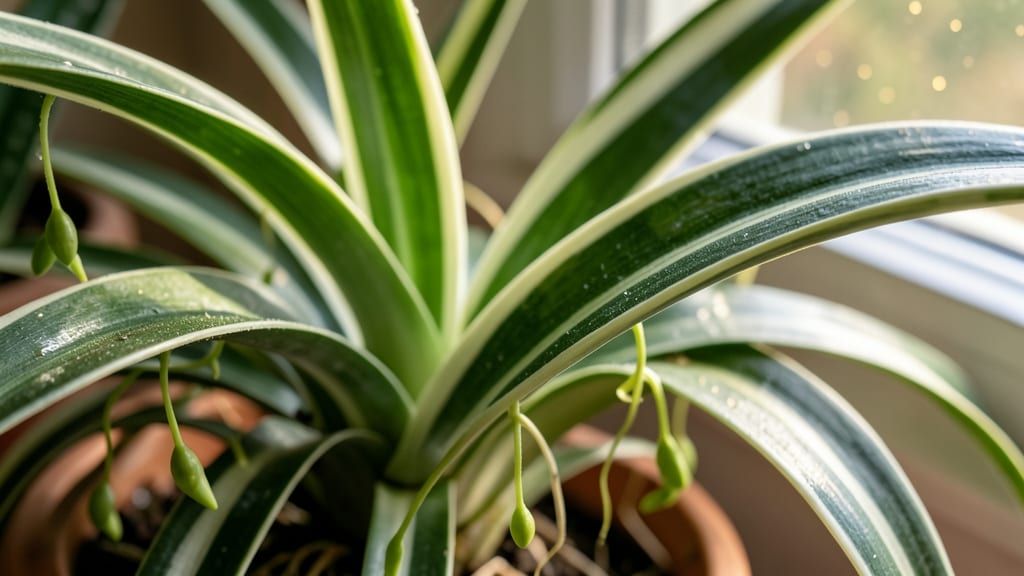
If your 🌿 Spider Plant looks more sad than stunning, chances are it’s not getting how much light does a spider plant need indoors—yet you’re overcomplicating it.
The truth? These hardy plants thrive in surprisingly flexible conditions, but most people either drown them in harsh sunlight or starve them in dim corners.
You don’t need a greenhouse to keep your Spider Plant happy—just the right balance of bright indirect light. Too little, and it stretches leggy; too much, and those pretty leaves burn.
I’ll show you exactly where to place it in your home (even if you only have a south-facing window) and how to spot the subtle signs it’s begging for more—or less—sun.
Let’s cut through the guesswork. Whether you’re dealing with brown tips or slow growth, this guide will help you transform your Spider Plant from struggling to showstopping in weeks. No green thumb required—just a little light know-how.
Ready to give your plant the perfect spot? I’ll walk you through the ideal conditions, troubleshooting tricks, and even how to supplement light if your home falls short. Your Spider Plant’s revival starts here.
 Best Window Placement
Spider plant light requirements: the ideal spectrum for Healthy growth
If your spider plant (Chlorophytum comosum) looks less than vibrant, the issue might be its light exposure. These hardy plants thrive in bright indirect light, but they’re surprisingly adaptable to other conditions too.
Understanding the light spectrum—from low to bright indirect—will help you create the perfect environment for lush, green foliage and those iconic spiderettes.
The key to happy spider plants lies in mimicking their natural habitat. In the wild, they grow under dappled shade in forests, where sunlight filters through tree canopies. Indoors, this translates to placing them near east-facing or north-facing windows, where the light is soft and diffused.
Avoid harsh, direct sunlight, which can scorch delicate leaves and cause brown tips.
Let’s break down the light requirements your spider plant needs to thrive, along with how to identify and adjust for each level of light exposure. This will help you diagnose why your plant might be struggling and how to fix it quickly.
| Light Level | Ideal Location Indoors | Plant Response | Adjustments Needed |
|---|---|---|---|
| Low Light (500-1000 lux) | Far from windows, dim corners, or north-facing windows with limited light | Slow growth, leggy stems, pale leaves, fewer spiderettes | Move closer to a window or use a grow light for 6-8 hours/day |
| Medium Light (1000-3000 lux) | East or north-facing windows, 2-3 feet away | Healthy growth, vibrant green leaves, moderate spiderette production | Rotate plant weekly for even growth; ideal for most homes |
| Bright Indirect Light (3000-5000 lux) | West-facing windows (with sheer curtain), 1-2 feet from an east window | Vigorous growth, dark green leaves, abundant spiderettes | Monitor for sunburn; avoid direct afternoon sun |
| Direct Sunlight (5000+ lux) | South-facing windows without filters, near glass doors | Brown leaf tips, crispy edges, yellowing, wilting | Move to indirect light immediately; use a sheer curtain to diffuse light |
Spider plants are famous for their adaptability, but even they have limits. In low-light conditions, you’ll notice leggy growth as the plant stretches toward any available light source. This is a classic sign that your plant is light-deprived.
To fix this, relocate your spider plant to a brighter spot or supplement with a grow light for 6-8 hours daily. A simple LED grow light can work wonders for plants in dim corners.
On the opposite end of the spectrum, too much direct sunlight can cause leaf burn. If your spider plant’s leaves develop brown patches or crispy edges, it’s a clear signal to move it away from harsh light.
South-facing windows are notorious for providing intense afternoon sun, so if your plant is near one, add a sheer curtain to diffuse the light while still allowing plenty of brightness.
For optimal growth, aim for bright indirect light, which mimics the dappled shade of their natural habitat. This means placing your spider plant within 2-3 feet of an east or north-facing window.
If you notice the leaves turning pale or the plant growing slowly, it’s time to adjust its location. Remember, spider plants can tolerate a range of light conditions, but they’ll reward you with healthier foliage and more spiderettes when given the right balance.
The science behind this is fascinating: chlorophyll production peaks under moderate light, allowing your spider plant to efficiently convert light into energy through photosynthesis. Too little light, and the plant struggles to produce enough energy; too much, and it gets overwhelmed, leading to stress.
Finding that sweet spot—where the light is bright but indirect—is the secret to keeping your spider plant thriving year-round.
Pro tip: Rotate your spider plant quarter-turns every week to ensure even light exposure on all sides. This prevents the plant from leaning toward one light source and promotes balanced growth.
If you notice one side of the plant looking more robust than the other, it’s a sign that it’s been favoring a particular light direction.
Finally, pay attention to the seasonal changes in natural light. During winter, days are shorter, and light intensity drops. This is when many spider plants slow down their growth. To counteract this, consider moving your plant closer to a window or using a grow light to maintain its energy levels.
With the right light conditions, your spider plant will stay lush, green, and full of life all year long.
By understanding these light requirements and making small adjustments, you’ll create the perfect environment for your spider plant to flourish. Next, we’ll explore how to optimize your home’s lighting setup for even better results.
How to adjust your home’s lighting for a thriving spider plant
Your Spider Plant’s location makes all the difference—especially if you’re stuck with dim corners or harsh midday sun. The good news? With a few simple tweaks, you can create the perfect bright indirect light environment, even in tricky spaces.
Start by evaluating your home’s natural light sources: east-facing windows offer gentle morning sun, while north-facing windows provide consistent, soft light all day.
If your only option is a south-facing window, place your Spider Plant at least 3-4 feet away to avoid leaf scorch. Sheer curtains are your best friend here—they diffuse harsh rays while still letting in plenty of light.
I’ve even seen plant owners use white lace curtains for a stylish filter that mimics natural shade.
Natural Light Solutions
Perfect for morning light. Place 2-3 feet from the window for 4-6 hours of gentle sun.
Consistent soft light all day. Ideal for low-light tolerance.
Use sheer curtains and place 3-4 feet away to avoid leaf burn.
Hot afternoon sun. Move plant 5+ feet away or use blackout curtains.
For spaces with no windows or artificial lighting only, grow lights are a game-changer. A 12-15 watt LED grow bulb placed 12-18 inches above your plant mimics natural light perfectly.
I recommend running it for 12-14 hours daily—just like a sunrise and sunset cycle. Fluorescent bulbs work too, but they’re less energy-efficient and may cause leaf stretching over time.
Pro tip: Rotate your plant every 2-3 weeks so all sides get even light exposure. This prevents lopsided growth and ensures those arching leaves stay symmetrical. I notice my Spider Plants perk up instantly after a quick spin—it’s like giving them a little vacation from one-sided light.
If you’re still seeing pale leaves or slow growth, it’s time to upgrade. A smart grow light with adjustable spectrum settings lets you tweak the light to match your plant’s needs. For under $50, you can find compact options that fit on a shelf or desk—no greenhouse required!
Remember, Spider Plants are forgiving, but they do communicate their needs. Watch for leggy stems (not enough light) or crispy edges (too much). With these adjustments, your plant will reward you with lush green foliage and those adorable spiderettes in no time. 🌿