
Plants
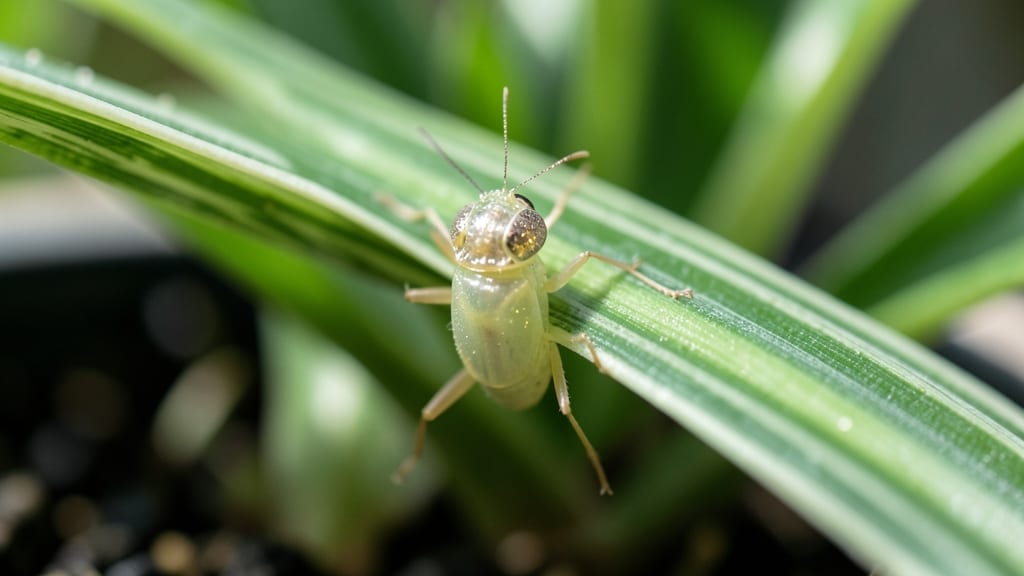
If you’re wondering how much light should a Spider Plant get, the answer might surprise you—it’s not as much as you’d think. If your 🌿 Spider Plant is looking sad—think leggy stems or faded leaves—you’re probably dealing with the wrong light conditions.
The good news? These hardy plants are forgiving, but they do need the right balance to stay vibrant and healthy.
Most people assume Spider Plants thrive in bright, direct sunlight, but that’s actually where they struggle. In reality, they prefer bright indirect light, like what you’d get near an east-facing window where the morning sun gently filters through.
Too little light, and they stretch toward the nearest source; too much, and those pretty variegated stripes can fade.
I’ll break down exactly how much light your Spider Plant needs—whether you’re in a dim corner or a sun-drenched room—and show you how to spot the signs when it’s not quite right. By the end, you’ll know exactly where to place it for that perfect lush, happy look.
Ready to give your plant the ideal conditions? Let’s dive into the details so you can keep those spiderettes thriving year-round.
 Best Window Placement
Spider plant light requirements: the perfect balance between too much and too little
Your spider plant (Chlorophytum comosum) thrives on flexibility, but its light needs are the secret to vibrant variegation and healthy growth. Unlike sun-loving succulents, spider plants prefer bright indirect light—think of it as the "goldilocks" of houseplants: not too dark, not too harsh.
Too little light leads to leggy stems and faded stripes, while too much causes brown tips and crispy leaves. Let’s break down the ideal conditions and how to spot when your plant is begging for adjustment.
Most experts agree that 4–6 hours of bright indirect light daily is perfect for spider plants. This mimics their natural habitat under dappled forest canopies, where sunlight filters through leaves. In practice, this means placing your plant near a north- or east-facing window, where morning sun is gentle.
South- or west-facing windows can work too, but only if you use a sheer curtain to diffuse the intensity.
Here’s the key: bright indirect light is your goal. Imagine standing under a shady tree on a sunny day—that’s the light your spider plant craves. Artificial light can work too, like a fluorescent or LED grow bulb kept 1–2 feet away for 12–14 hours daily.
Avoid placing it near direct sunlight or heat vents, which dry out leaves faster than you can water.
If your spider plant is in low light, you’ll notice elongated stems (a condition called etiolation) as it stretches toward any available light. The leaves may also lose their variegated stripes, turning uniformly green.
To fix this, move your plant closer to a bright window or supplement with a grow light. Rotate the pot every few weeks so all sides get even exposure.
On the flip side, over-exposure to direct sun causes brown tips and yellow patches as leaves dry out. Spider plants are tough, but even they can’t handle harsh afternoon sun.
If you spot these signs, relocate your plant to a spot with filtered light or add a light sheer curtain. Increase humidity around the plant by misting leaves or placing a tray of water nearby—this helps counteract the drying effects of bright light.
Pro tip: Variegated spider plants (like ‘Variegatum’) need slightly more light than solid-green varieties to maintain their striking patterns. If the white or yellow stripes fade, it’s a clear sign your plant is craving more bright indirect light.
Test this by moving it to a sunnier spot for a week and watch the colors return.
Remember, spider plants are forgiving—they’ll survive in low light, but they’ll thrive in bright indirect conditions. Start with a medium-light spot, observe your plant’s response for 2–3 weeks, and adjust gradually.
With the right light, your spider plant will reward you with long, arching leaves and those adorable baby spiderettes dangling from the ends.
🌿
Spider plant light requirements: the perfect balance between too much and too little
Your Spider Plant thrives in bright indirect light, which is often misunderstood. Think of it as the "goldilocks zone" of sunlight—not too bright, not too dim, but just right.
This means placing it near a window where sunlight filters through sheer curtains or bounces off nearby walls. Direct sun can scorch those delicate leaves, while too little light leads to leggy growth and weak stems.
Most homes naturally provide this ideal environment near east-facing windows, where morning sunlight is gentle. North-facing windows also work well, especially in warmer climates.
If you're unsure about your space, start by observing how light moves through your home during different times of day—this will help you pinpoint the perfect spot.
🌱 Spider Plant Light Requirements Summary
| Light Type | Ideal Location | Signs of Correct Light | Signs of Too Much Light |
|---|---|---|---|
| Bright Indirect | East or North window, 2–3 ft away | Vibrant green leaves, frequent spiderettes | Brown patches, crispy edges |
| Medium Indirect | West window with sheer curtain, 4–5 ft away | Healthy growth, slight variegation | Pale leaves, slow growth |
| Low Light | North room, fluorescent lighting | Survives but grows slowly | Leggy stems, sparse leaves |
If your Spider Plant starts showing signs of leggy growth or faded variegation, it’s likely craving more light. Move it closer to a window or supplement with a grow light for 6–8 hours a day.
Conversely, if the leaves develop brown tips or look scorched, it’s getting too much direct sun—relocate it to a shadier spot immediately.
Pro tip: Rotate your plant every 4–6 weeks to ensure even growth. Spider Plants grow toward the light, so turning them occasionally helps maintain a balanced, bushy shape instead of leaning in one direction. This simple habit makes a huge difference in their overall appearance.
For those with variegated Spider Plants, pay extra attention to light levels. These varieties need slightly more light to maintain their striking patterns, but still avoid harsh direct sunlight. A west-facing window with filtered light is often the sweet spot for them.
Remember, Spider Plants are incredibly adaptable, so don’t stress if you can’t provide perfect conditions. Even in low-light situations, they’ll survive—though they may grow more slowly. The key is to observe your plant’s response and adjust gradually.
With the right light balance, your Spider Plant will reward you with lush foliage and plenty of baby spiderettes to propagate! 🪴