
Plants
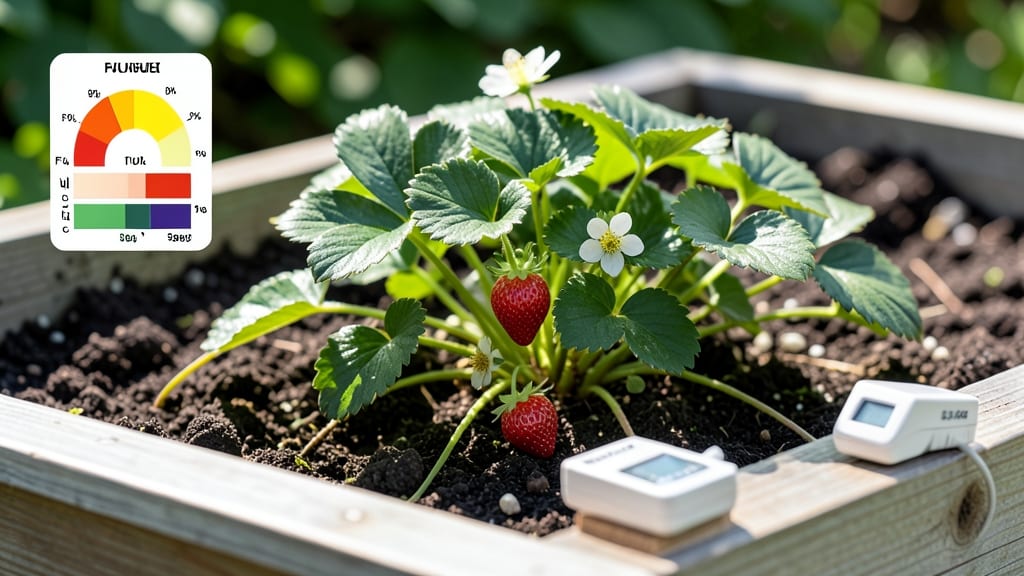
If you’re wondering how much light does a strawberry plant need, the answer might be simpler than you think—sunlight is the foundation of a thriving harvest. Too little weakens growth, while too much can scorch delicate leaves, leaving you with bitter-tasting fruit or no fruit at all.
Here’s the truth: strawberries are sun-worshippers, craving at least 6-8 hours of direct light daily to fuel their fruiting power. But knowing exactly how much light your plants need—and how to adjust for your climate—is the key to unlocking that perfect harvest from June to August.
Whether you’re growing in containers on a balcony or in raised beds in your backyard, I’ll break down the best sunlight strategies for your strawberries, including how to spot light-related problems before they ruin your crop. Let’s get those plants soaking up the right amount of sunshine!
Ready to transform your strawberry patch? You’ll discover how to position your plants for maximum yield, troubleshoot leggy growth, and even supplement light when nature falls short. The secret to bigger, sweeter berries starts with understanding their light needs—let’s dive in!
 Best Window Placement
Optimal sunlight hours for strawberry plants by variety and growth stage
Strawberries are sun-worshippers, and their light needs vary slightly depending on the variety and growth stage. While most strawberries thrive in full sun (6+ hours daily), some varieties tolerate partial shade better. Let’s break down the ideal sunlight conditions to maximize your harvest.
For June-bearing strawberries, the most popular type, you’ll need at least 6-8 hours of direct sunlight to produce abundant fruit.
These varieties produce one massive harvest in early summer, so they demand consistent light. Everbearing and day-neutral strawberries are slightly more flexible, often doing well with 5-6 hours of sun, especially in hot climates where afternoon shade helps prevent scorching.
Here’s how sunlight needs shift through the growing season: Planting stage requires 4-6 hours of sun to establish roots, but once flowers appear, 8+ hours of light becomes critical for fruit development. Without enough sunlight, your strawberries may set fewer flowers or produce small, tasteless berries.
In low-light climates, like the Pacific Northwest or shaded urban areas, focus on day-neutral varieties (e.g., Albion or Seascape) and supplement with reflective surfaces or grow lights. Even 4-5 hours of direct sun can work if the plants receive bright, indirect light for the remainder of the day.
Regional adjustments matter too. In hot, dry climates (e.g., desert Southwest), provide afternoon shade to prevent leaf burn while ensuring morning sun for energy production. Conversely, in cool, cloudy regions, extend daylight with grow lights or south-facing windows to compensate.
🌱 Strawberry Sunlight Summary
| Variety | Ideal Sunlight | Shade Tolerance | Best For |
|---|---|---|---|
| June-bearing | 6-8+ hours | Low (scant shade) | Cool climates, large harvests |
| Everbearing | 5-6 hours | Moderate (afternoon shade) | Extended harvests, hot areas |
| Day-neutral | 4-6 hours | High (partial shade) | Shady spots, containers |
💡 Pro Tip: Use a sunlight meter or observe your garden’s light patterns before planting. South-facing beds get the most sun, while north-facing spots may need supplemental light.
If you’re growing strawberries in containers or raised beds, prioritize locations with unobstructed southern exposure. Even a 20% reduction in sunlight can cut fruit production by 50%, so avoid placing pots under trees or near tall structures.
For urban balconies, opt for day-neutral varieties and rotate containers weekly to ensure even light exposure.
Monitor your strawberries’ leaf color and growth rate to gauge sunlight success. Dark green, upright leaves indicate ideal light, while pale or yellowing foliage signals insufficient sun. Conversely, crispy leaf edges or bleached spots mean too much direct sun, especially in peak afternoon hours.
For year-round production, everbearing and day-neutral strawberries are your best bet—they fruit continuously when given consistent light. Pair them with dwarf varieties (e.g., Mignonette) for container gardens, as these adapt better to partial shade while still delivering sweet berries.
In greenhouse or indoor setups, supplement natural light with LED grow lights (12-16 hours daily) to mimic summer conditions. Place lights 6-12 inches above plants and use a timer to maintain a consistent photoperiod.
This is especially critical for June-bearing varieties, which need long days to set fruit.
Remember: Light quality matters as much as duration. Strawberries thrive under bright, diffuse sunlight, so avoid dense shade from trees or buildings.
If your garden has filtering shade (e.g., lattice or sheer fabric), your plants may still produce fruit, but yields will be 20-30% lower than in full sun.
Signs your strawberry plants aren’t getting enough (or too much) light
Strawberry plants send clear signals when their light exposure is off—whether they’re starving for sunlight or getting scorched. Watch for yellowing leaves between veins, a classic sign of light deficiency, or crispy, brown leaf tips from too much sun. These visual cues help you adjust placement before yield suffers.
If your plants stretch tall and leggy, they’re reaching for light. This etiolation (weak, elongated growth) happens when strawberries get less than 4 hours of sun daily. Meanwhile, white or bleached patches on leaves mean sunburn from excessive afternoon heat—common in hot climates without shade.
Here’s the critical difference: Light-deficient strawberries produce sparse, small berries (if any), while over-exposed plants may fruit poorly due to stress. Both issues cut yields by up to 50% if ignored.
🚨 Light Stress Warning
Too Little Sun: Pale leaves, weak stems, few flowers → No fruit or tiny berries.
Too Much Sun: Brown leaf edges, curled leaves, bitter-tasting berries → Stunted growth.
Fix It: Move plants to 6+ hours of morning sun or use 30% shade cloth in peak afternoon.
Check your plants’ flower production too—few blooms mean light deprivation. Healthy strawberries should have 20-30 flowers per plant during peak season. If you’re seeing under 10 flowers, it’s time to relocate them to a sunnier spot.
For container growers, rotate pots quarter-turns weekly to ensure even light exposure. Uneven sunlight causes one side to grow lopsided, reducing fruit quality. Even a 2-foot difference in plant height signals a light imbalance.
Pro tip: Use a light meter app (like "Sun Surveyor") to measure actual sunlight hours. Aim for 6-8 hours of direct sun for June-bearing varieties and 4-6 hours for everbearing types in hot zones.