
Plants
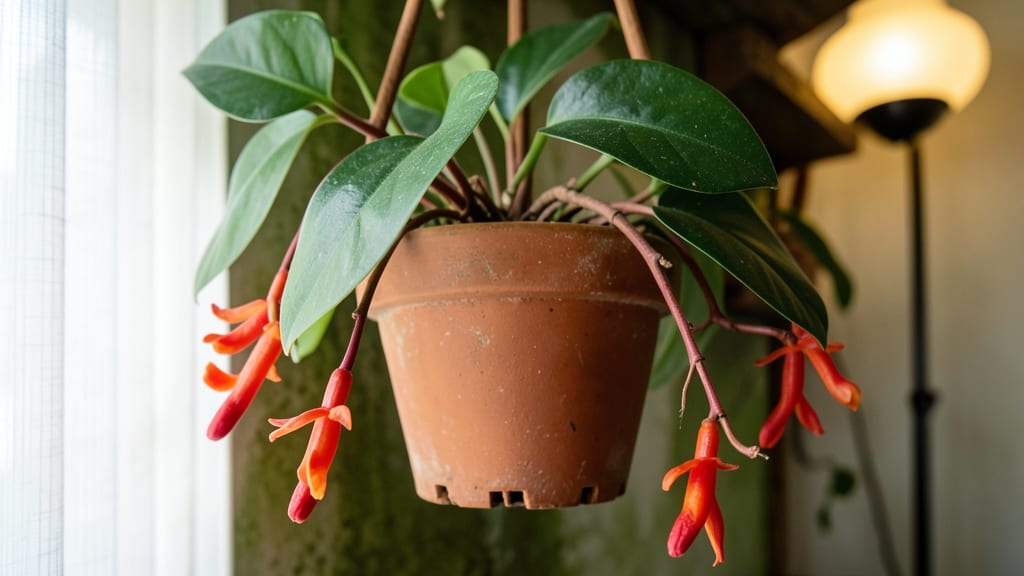
If you’re wondering how much light does a Lipstick Plant need to stay vibrant, the answer lies in bright, indirect light—but getting it right can make all the difference.
If your Lipstick Plant 🌸 is looking a little sad—droopy leaves, sparse blooms, or stretching toward the window—chances are, it’s not getting the right amount of light. This tropical beauty thrives on bright indirect light, but too much or too little can send it into a slow decline.
Most growers assume these plants can handle low light, but that’s a common mistake. Without the perfect balance, your Lipstick Plant won’t just survive—it’ll struggle to produce those signature tubular flowers or maintain its glossy foliage.
The key is mimicking its natural habitat under dappled forest light, which means avoiding harsh midday sun while ensuring enough brightness to fuel growth.
In this guide, I’ll break down exactly how many hours of light your Lipstick Plant needs daily, how to spot signs of over- or under-exposure, and simple fixes to keep it lush and blooming.
Whether you’re dealing with a dim corner or a sunny windowsill, these tips will help you create the ideal growing conditions.
Ready to transform your plant’s health? Let’s dive into the light requirements that’ll have your Lipstick Plant thriving in no time.
 Best Window Placement
Ideal light requirements for a lipstick plant: 6-8 hours of bright, indirect sunlight daily
The lipstick plant (Aeschynanthus radicans) thrives in bright, indirect light, mimicking its natural understory habitat in tropical forests. This means placing it near a window where it receives dappled sunlight—like the filtered light under tall trees.
Without the right light, its growth slows, leaves pale, and those signature red tubular flowers may fail to bloom.
Think of it as a plant that loves morning sun but needs protection from the harsh afternoon rays. A south-facing window can work if you use a sheer curtain to diffuse the intensity.
Too much direct sun causes leaf scorch, while too little leads to leggy, stretched growth as the plant reaches for light.
In summer, when sunlight is strongest, move your lipstick plant 2-3 feet away from the window to prevent overheating. In winter, it can tolerate slightly lower light levels but still needs at least 4 hours of bright indirect light daily to stay healthy.
If you're unsure about your space, imagine standing near a north-facing window—that’s often the ideal spot. East-facing windows work well too, especially in the morning hours when the sun is gentler.
One common misconception is that lipstick plants can handle direct sunlight like succulents or cacti. They can’t! Even a few hours of unfiltered afternoon sun will cause leaf burn, turning the edges crispy and brown. If you notice this, move the plant immediately to a shadier spot.
For indoor growers, grow lights are a game-changer in low-light spaces. A simple LED grow bulb placed 12-18 inches above the plant for 12-14 hours daily can replicate ideal conditions. Just avoid placing it too close—heat stress is just as damaging as too much light.
Outdoor growers in warmer climates can place their lipstick plants under partial shade cloth (30-50% shade) during peak summer months. This mimics the dappled light of its native forest floor and prevents heat shock, which can cause the plant to drop leaves or flowers prematurely.
Pro tip: Rotate your lipstick plant quarter-turn every 2-3 weeks to ensure even light exposure. This prevents the plant from leaning toward one side, which is a classic sign of light deprivation or uneven exposure.
Seasonal adjustments are key. In summer, when sunlight is intense, reduce exposure to morning sun only. In winter, when days are shorter, supplement with a grow light for an extra 2-3 hours if natural light drops below 4 hours daily.
Ideal light requirements for a lipstick plant: 6-8 hours of bright, indirect sunlight daily
The lipstick plant (Aeschynanthus radicans) thrives under bright indirect light, mimicking its natural habitat beneath forest canopies. Aim for 6-8 hours of filtered sunlight daily, avoiding harsh afternoon rays that can scorch delicate leaves.
Morning sun is ideal—it provides gentle warmth without the intensity of midday heat.
Think of it like this: your lipstick plant wants the same conditions as a fern in a shaded garden spot. Too little light leads to leggy growth and sparse blooms, while too much causes leaf burn and crispy edges.
The key is balance—bright enough to fuel growth but diffused to prevent damage.
| Light Condition | Ideal Hours | Best Window Placement | Signs of Stress |
|---|---|---|---|
| Bright Indirect | 6-8 hours | East-facing window | Healthy growth, glossy leaves |
| Low Light | <4 hours | North-facing or interior | Leggy stems, pale leaves |
| Direct Sun | >4 hours | South/west-facing | Brown leaf tips, scorch |
Seasonal adjustments matter too. In summer, your lipstick plant may need afternoon shade—move it back from the window or use a sheer curtain to filter light. During winter, supplement with a grow light if natural light drops below 4 hours daily.
A simple LED bulb (6000K color temp) can work wonders for indoor plants.
Pro tip: Rotate your plant quarter-turns weekly to ensure even light exposure. This prevents one side from becoming leggy while the other stays compact. Watch for new growth patterns—if leaves stretch toward the light, it’s time to adjust placement.
For outdoor growers, place your lipstick plant in a spot with dappled shade, like under a tree with an open canopy. Avoid full sun—even tropical plants have limits! With the right light, your lipstick plant will reward you with vibrant blooms and glossy foliage all season long.
Remember, consistency is key. Sudden changes in light can stress your plant, so transition gradually if moving it to a new spot. Patience pays off—your lipstick plant will thank you with lush, healthy growth.