
Plants
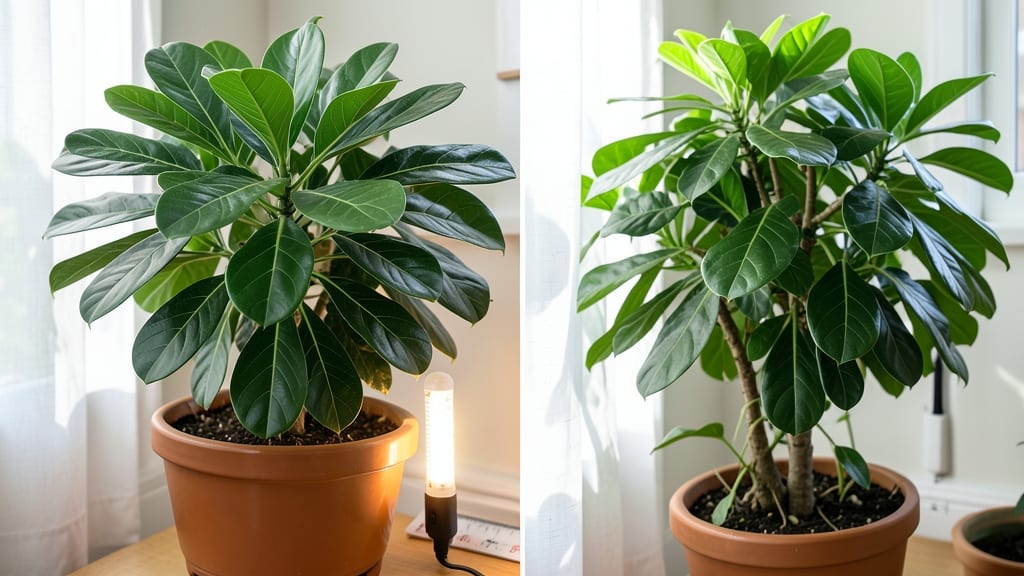
If you're asking "how much light does an umbrella plant need", you're not alone—this is the #1 question that separates thriving 🌿 umbrella plants from sad, leggy ones.
The good news? These plants are forgiving, but getting the light right makes all the difference between vibrant growth and struggling leaves.
Most umbrella plants thrive in bright indirect light, which means a spot near an east-facing window where they get morning sun without harsh afternoon rays.
Too little light, and you'll notice weak stems and sparse foliage. Too much direct sun, and those beautiful leaves can start to crisp at the edges.
Don’t worry if your home doesn’t have perfect lighting—I’ll show you exactly how to spot the signs of light stress and adjust care to keep your plant happy. Whether you're dealing with low-light apartments or sunny windowsills, these tips will help you create the ideal growing conditions.
The secret isn’t complicated, but it does require paying attention to your plant’s cues. Let’s break down the light needs so you can give your umbrella plant the care it deserves and watch it flourish year-round.
 Best Window Placement
Ideal light requirements for umbrella plant growth and blooming
Your umbrella plant (Thunbergia alata) thrives best with bright indirect light, making it perfect for east-facing windows where morning sun gently filters through. This light condition mimics its natural tropical habitat, where dappled sunlight keeps leaves lush and vibrant.
Without enough light, your plant may stretch toward the window—a classic sign of etiolation—while too much direct sun can scorch delicate foliage.
For optimal growth, aim for 4-6 hours of bright indirect light daily. South-facing windows work too, but use a sheer curtain to diffuse harsh afternoon rays. North-facing windows often provide too little light, leading to weak stems and sparse blooms.
The key is balance: enough light to fuel photosynthesis but not enough to cause stress.
Here’s how to visualize the perfect light setup for your umbrella plant:
If your home lacks natural light, supplement with a grow light 12-14 inches above the plant for 6-8 hours daily. LED grow lights with a 5000-6500K color temperature mimic sunlight perfectly, encouraging healthy growth.
Rotate the pot weekly to ensure even light exposure, preventing lopsided growth—a common issue in low-light conditions.
Seasonal adjustments are key too. In winter, when daylight shortens, move your plant closer to the brightest window or extend grow light hours by 2-3 hours. This mimics longer summer days and prevents dormancy. Watch for leaf color changes: deep green indicates ideal light, while pale yellow signals deficiency.
Pro tip: Place your umbrella plant on a rotating plant stand to maximize light exposure from all angles. This simple trick ensures even growth and prevents the plant from leaning toward one light source.
Pair this with regular leaf dusting to help it absorb more light efficiently—dust blocks up to 50% of light!
Remember, the goal is to replicate the dappled sunlight of its native tropical forests. Too little light means weak stems and sparse blooms, while too much causes stress. With the right balance, your umbrella plant will reward you with vibrant foliage and cascading flowers all season long.
Ideal light requirements for umbrella plant growth and blooming
The umbrella plant (Thunbergia alata) thrives in bright indirect light, mimicking its natural habitat under dappled forest canopies. This means placing it near an east-facing window where it receives gentle morning sunlight without harsh afternoon rays.
Think of it as giving your plant a sunny breakfast but a shady afternoon tea—perfect for maintaining those lush, vibrant leaves.
For optimal growth, aim for 4-6 hours of bright indirect light daily. If your plant gets less than 4 hours, you’ll notice slow growth and sparse foliage. On the flip side, more than 6 hours of direct sun can scorch the leaves, especially during peak summer months.
The key is balance—like Goldilocks, your umbrella plant wants conditions that are just right.
Here’s how to translate that into real-world placement: Position your plant 2-3 feet away from an east-facing window. If you only have south-facing windows, use a sheer curtain to diffuse the light and prevent leaf burn.
North-facing windows may not provide enough light, so we’ll tackle that challenge in the next section.
🌱 Umbrella Plant Light Requirements Summary
| Condition | Specification | Ideal Scenario |
|---|---|---|
| Light Type | Bright Indirect | East-facing window, 2-3 ft away |
| Daily Light Hours | 4-6 hours | Morning sun + filtered afternoon light |
| Direct Sun Tolerance | Morning only | Avoid harsh afternoon rays |
| Low-Light Threshold | <3 hours/day | Leggy growth, sparse blooms |
| High-Light Risk | >6 hours direct | Brown leaf tips, crispy edges |
Understanding the science behind light needs helps demystify why umbrella plants perform best in these conditions. Bright indirect light triggers photosynthesis efficiently without overwhelming the plant’s delicate leaves.
The blue light spectrum (found in morning sun) promotes compact growth, while the red light spectrum (in afternoon sun) can stress the plant if overdone. This is why east-facing windows are ideal—they provide a natural balance of both.
Seasonal adjustments are also crucial. During winter months, when daylight is shorter, supplement with a grow light for 4-6 hours daily if natural light drops below 4 hours.
In summer, move your plant slightly farther from the window to prevent leaf scorch, especially if you notice the leaves feeling warm to the touch.
Pro tip: Rotate your plant quarter-turn weekly to ensure even light exposure on all sides. This prevents one-sided growth and keeps those umbrella-shaped leaves symmetrical and vibrant. Think of it as giving your plant a gentle light massage to encourage balanced, healthy development.