
Plants
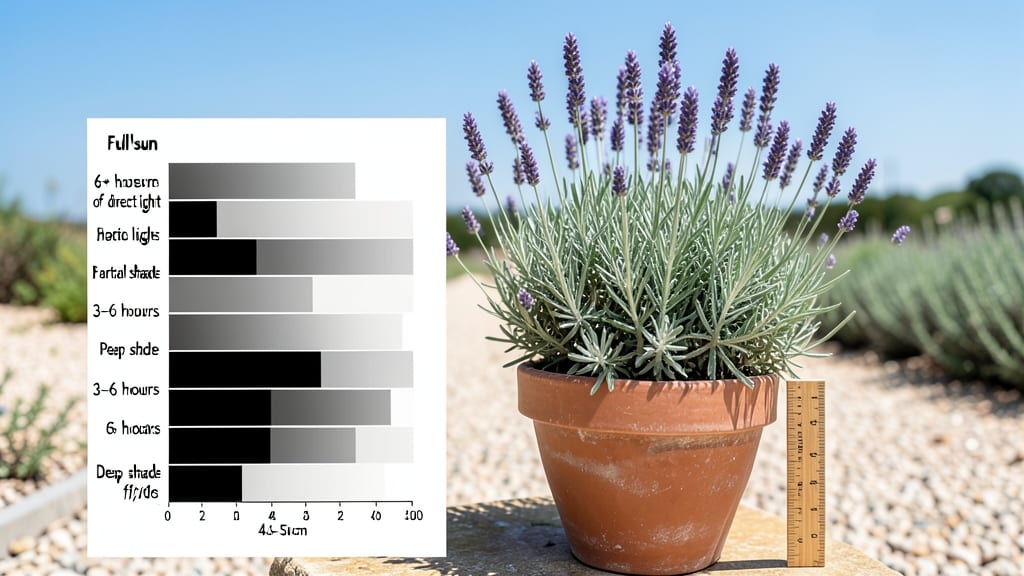
If your lavender plant 🌿 looks sad and leggy instead of lush and fragrant, you might be missing the mark on how much light does a lavender plant need.
The truth is, lavender isn’t just picky—it’s downright demanding about light, and getting it right is the difference between a thriving herb and a struggling one.
Lavender craves full sun, meaning at least 6 to 8 hours of direct sunlight every day. Too little light, and you’ll end up with weak stems, sparse blooms, and a plant that barely smells like itself.
But here’s the catch: too much scorching afternoon sun in hot climates can also stress it out.
I’ve grown lavender in everything from Mediterranean heat to cooler USDA Zone 6a gardens, and I’ll show you exactly how to balance its light needs—whether you’re planting in the ground or keeping it in a container.
You’ll learn how to spot the signs of light stress, adjust for your climate, and even troubleshoot common mistakes that kill lavender faster than you’d think.
By the end, you’ll know precisely how much light lavender needs to flourish, plus pro tips to keep it happy year-round. Let’s get your lavender back on track!
 Best Window Placement
Lavender light requirements: the ideal sun exposure for healthy growth
If you’ve ever wondered why your lavender looks leggy or fails to bloom, the answer likely lies in its light exposure. Lavender is a sun-worshipper, craving full sun to produce those signature purple blooms and fragrant foliage.
Without enough sunlight, it struggles to thrive, often resulting in weak stems and sparse flowers. Let’s dive into the exact sunlight requirements lavender needs to flourish.
Lavender plants thrive best with 6 to 8+ hours of direct sunlight daily. This means positioning them in the sunniest spot of your garden, where they can soak up those rays without obstruction.
In Mediterranean climates, where lavender is native, it naturally receives intense sunlight, making it well-adapted to bright, open conditions. However, even in cooler regions, lavender can adapt as long as it gets ample light.
Here’s the golden rule: Morning sun is ideal, followed by afternoon shade in extremely hot climates. Too much midday heat without relief can scorch lavender leaves, especially in desert-like conditions.
If you notice yellowing leaves or crispy edges, your plant might be getting too much intense sun without proper hydration.
In partial shade (3-6 hours of sun), lavender may survive but will likely produce fewer flowers and grow more slowly. This is common in urban gardens with tall buildings casting shadows.
If you’re growing lavender in containers, place them in a south-facing window or on a balcony that gets full sun exposure. Without enough light, lavender can become etiolated, meaning its stems stretch out weakly in search of light.
Now, let’s clarify the science behind lavender’s love for sunlight. Lavender is a drought-tolerant perennial, but its need for sunlight isn’t just about heat—it’s about photosynthesis.
Sunlight fuels the process that turns water and carbon dioxide into energy, which lavender uses to grow strong roots, sturdy stems, and fragrant oils. Without enough light, this process slows down, leading to poor growth and reduced fragrance.
🌿 Pro Tip: If you’re growing lavender indoors, supplement natural light with a grow light for 12-14 hours a day. LED grow lights designed for herbs are a great solution for maintaining the full-sun equivalent indoors.
| Light Requirement | Ideal Conditions | Consequences of Too Little |
|---|---|---|
| Full Sun (6-8+ hours) | Bright, open areas; morning sun + afternoon shade in hot climates | Leggy growth, fewer blooms, weak stems |
| Partial Shade (3-6 hours) | Urban gardens, north-facing windows, filtered light | Slow growth, pale leaves, minimal flowering |
| Deep Shade (<3 hours) | Wooded areas, heavily shaded patios | Stunted growth, no blooms, potential death over time |
One of the biggest misconceptions about lavender is that it can thrive in low-light conditions. While it’s more forgiving than some plants, it’s not a shade lover. Even in cooler climates, lavender still needs at least 6 hours of sun to produce those iconic purple spikes.
If you’re in a region with short summer days, consider planting lavender near a south-facing wall or using reflective surfaces like light-colored gravel to maximize sunlight.
🌞 Watch for these signs to ensure your lavender is getting the right amount of light:
- Healthy lavender: Upright stems, vibrant gray-green foliage, abundant blooms.
- Too little light: Stretched-out stems, sparse leaves, no flowers.
- Too much light: Crispy leaf edges, yellowing, or wilting in extreme heat.
If you’re growing lavender in containers, rotate the pots every few weeks to ensure even sunlight exposure. This prevents one side from becoming sunburned while the other stays in the shade.
Additionally, lavender in containers can dry out faster, so ensure the soil is well-draining and water only when the top inch feels dry.
For those in hot desert climates, lavender can handle the heat as long as it has access to afternoon shade. Use shade cloth (30-50%) during peak hours to protect it from intense afternoon sun, which can cause stress.
In cooler coastal areas, lavender can often handle full sun year-round, as the mild temperatures reduce the risk of heat damage.
Finally, remember that lavender’s fragrance and flowering are directly tied to its sunlight exposure. The more sun it gets, the stronger its scent and the more blooms it will produce. If you’re growing lavender for culinary or aromatic purposes, prioritize full-sun conditions to maximize its potential.
With the right light, your lavender will reward you with lush growth, abundant blooms, and that unmistakable calming aroma.
How to adjust light conditions for lavender in different climates
Growing lavender in USDA Zone 6a or beyond means adapting its sunlight needs to your local climate. While lavender thrives in full sun (6-8+ hours daily), extreme heat or overcast skies can throw off its balance.
Let’s explore how to tweak light conditions for hot deserts, cool coastal areas, and even shaded urban gardens.
In hot, arid climates, like the Southwest U.S., lavender can suffer from midday sunburn between 11 AM and 3 PM. To protect it, plant lavender near a west-facing wall or use light shade cloth (30-50%) during peak hours. This filters harsh rays while still providing plenty of indirect light.
For cooler or cloudy regions, such as the Pacific Northwest, lavender may struggle with insufficient sunlight during winter months.
If your garden gets less than 4 hours of sun daily, consider supplementing with a grow light (12-14 hours/day) or relocating potted lavender to a sunroom or greenhouse until spring.
Urban gardeners with limited space can maximize light by placing lavender in containers on south-facing balconies or rooftops. If your space is north-facing only, opt for dwarf varieties (like 'Hidcote' or 'Munstead'), which tolerate slightly less light than standard lavender.
For extra brightness, place a white reflective surface (like a mirror) near the plant to redirect sunlight.
If you’re growing lavender indoors near a south-facing window, rotate the pot quarter-turns weekly to prevent leggy growth. A LED grow light (5000-6500K) placed 6-12 inches above the plant for 12-14 hours daily can mimic outdoor conditions. Just avoid placing it too close—lavender hates heat stress from bulbs.
Pro tip: Monitor your lavender’s leaves for signs of light stress. Yellowing or purple-tinged foliage signals too much shade, while crispy, brown edges mean excessive sun exposure. Adjust gradually—lavender can’t handle sudden changes in light intensity.
With these climate-specific tweaks, your lavender will stay healthy, fragrant, and blooming—no matter where you live. 🌿