
Plants
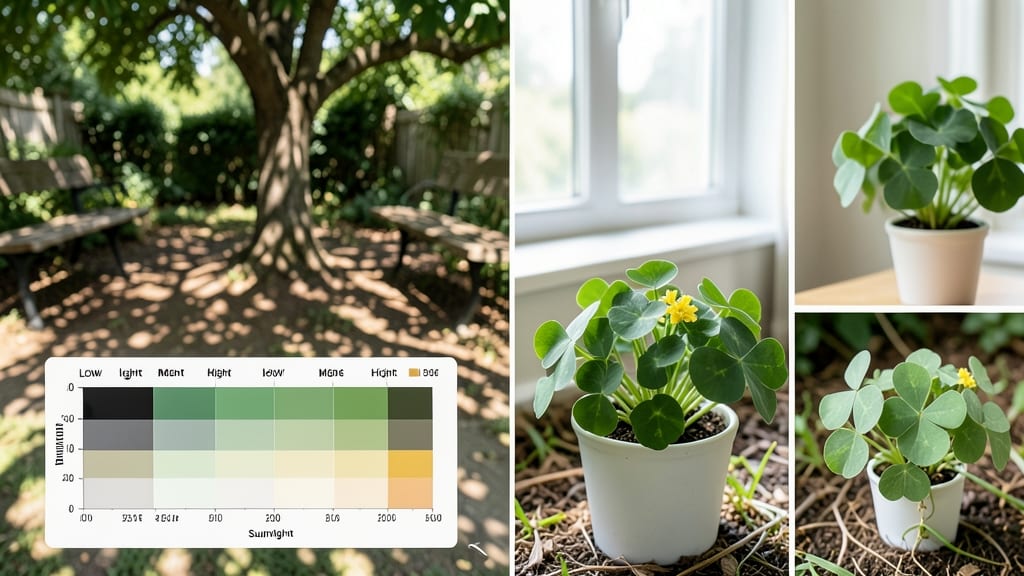
If your 🍀 shamrock plant is looking more sad than lucky, chances are it’s not getting how much light does a shamrock plant need to thrive.
Too much sun can fry its delicate leaves, while too little leaves it stretching weakly toward the window—neither scenario spells success for this charming spring favorite.
Here’s the truth: shamrocks thrive in bright indirect light, making them perfect for east-facing windows or dappled outdoor spots. But getting the balance right isn’t always intuitive—especially when you’re juggling indoor lighting, seasonal shifts, or that pesky south-facing window that’s too intense.
Let me break down exactly what your shamrock needs to stay lush and vibrant year-round.
You’ll discover how to spot signs of over- or under-exposure, adjust light conditions for different growth stages, and even fix common mistakes that might be sabotaging your plant’s health. Whether you’re a beginner or a seasoned gardener, these tips will help your shamrock reach its full potential without the guesswork.
Ready to transform that droopy 🍀 shamrock into a thriving, four-leafed showstopper? Let’s dive into the light conditions that’ll keep it happy—indoors or out—so you can enjoy its beauty for seasons to come.
 Best Window Placement
Ideal light requirements for a healthy shamrock plant
A shamrock plant thrives in bright indirect sunlight, making it perfect for indoor gardeners with limited direct sun access. Unlike sun-loving plants, shamrocks (typically Oxalis varieties) burn easily when exposed to harsh afternoon rays. The key is mimicking their natural forest-floor habitat where dappled light filters through tree canopies.
For indoor cultivation, position your shamrock near an east-facing window where it receives gentle morning sunlight without the intense heat of midday. West-facing windows can work too, but use a sheer curtain to diffuse the light.
Outdoors, place your plant under partial shade—think 40-60% sunlight exposure—where it gets morning sun and afternoon shade.
Here’s how to visualize the perfect setup: Imagine your shamrock sitting under a light-filtering umbrella during peak sun hours. This prevents leaf scorch while still providing enough energy for photosynthesis. If you notice leaves turning pale or stretching toward the light, it’s time to adjust its position.
Seasonal adjustments are crucial. During summer months, when sunlight is strongest, move your shamrock slightly farther from the window or add a sheer curtain. In winter, when natural light dims, supplement with a grow light for 10-12 hours daily to maintain its vigor.
Now, let’s break down the ideal light conditions in a simple table to help you visualize the perfect setup for your shamrock’s needs.
Signs your shamrock isn’t getting enough light include leggy stems (elongated growth toward light sources) and pale, sparse foliage. On the flip side, too much direct sun causes brown crispy edges on leaves—a clear signal to move it to a shadier spot.
Pay attention to these visual cues, as they’re your shamrock’s way of communicating its needs.
Pro tip: If your home lacks natural light, a south-facing window with a sheer curtain can work, but monitor closely. Shamrocks are adaptable, but they prefer consistency. Avoid placing them near drafty windows or air conditioning vents, as sudden temperature changes can stress the plant even more than light issues.
For outdoor shamrocks, mimic their woodland origins by planting them under tall trees or shrubs that provide natural shade. In containers, choose a spot that gets morning sun and afternoon shade, like near a north or east-facing patio.
Mulch around the base to help regulate soil temperature and retain moisture, which further supports healthy growth.
Remember, the goal is to create a stable, bright environment without harsh fluctuations. With the right light balance, your shamrock will reward you with vibrant clover-like leaves and occasional delicate flowers.
Think of it as striking the perfect balance between a cozy reading nook and a sunny afternoon—just enough light to thrive, but never overwhelming.
Ideal light requirements for a healthy shamrock plant
Your 🍀 shamrock plant craves bright indirect sunlight, which means it needs plenty of light without harsh direct rays. Think of it like a cozy reading nook—enough light to enjoy the book, but not the midday glare that strains your eyes.
This balance is key to preventing sunburn on delicate leaves while encouraging lush, vibrant growth.
Outdoors, place your shamrock in a spot with morning sun and afternoon shade, like under a tree with dappled light or near a north-facing wall. Indoors, an east-facing window is ideal because it provides gentle morning sunlight without the intense afternoon heat.
Avoid south-facing windows, which can deliver too much direct light and scorch those tender leaves.
If you're unsure whether your shamrock is getting the right amount of light, here’s a quick check: healthy leaves should be deep green with no yellowing or brown spots. Leggy stems or leaves stretching toward the light?
That’s a sign it’s craving more brightness. On the flip side, crispy edges or bleached patches mean it’s getting too much direct sun.
| Light Condition | Ideal Setup | Signs of Correct Light |
|---|---|---|
| Bright Indirect Light | East-facing window or 2-3 feet from a west-facing window with sheer curtain | Deep green leaves, compact growth, no stretching |
| Partial Shade | Dappled sunlight outdoors or 4-6 feet from a south-facing window | Moderate growth, slight sheen on leaves, no sunburn |
| Low Light | North-facing window or 6+ feet from any window | Pale leaves, leggy stems, sparse foliage |
| Direct Sunlight | South-facing window without shade or full outdoor sun | Brown patches, crispy edges, wilting leaves |
Seasonal adjustments are crucial, too. In summer, your shamrock might need more shade to protect it from the intense midday sun. Move it a few feet away from the window or use a sheer curtain to diffuse the light.
Conversely, in winter, when natural light is scarce, supplement with a grow light for 12-14 hours a day to keep it thriving.
For container-grown shamrocks, rotate the pot quarter-turn weekly to ensure even light exposure on all sides. This prevents lopsided growth and helps the plant grow more uniformly. If you notice one side of the plant leaning toward the light, it’s time to give it a gentle nudge back into balance.
Remember, shamrocks are not drought-tolerant, so while light is critical, don’t forget to pair it with consistent moderate watering. The right light sets the stage for success, but keeping the soil evenly moist will help your shamrock reach its full potential.
With these tips, your plant will stay lush, green, and full of that classic 🍀 luck charm.