
Plants
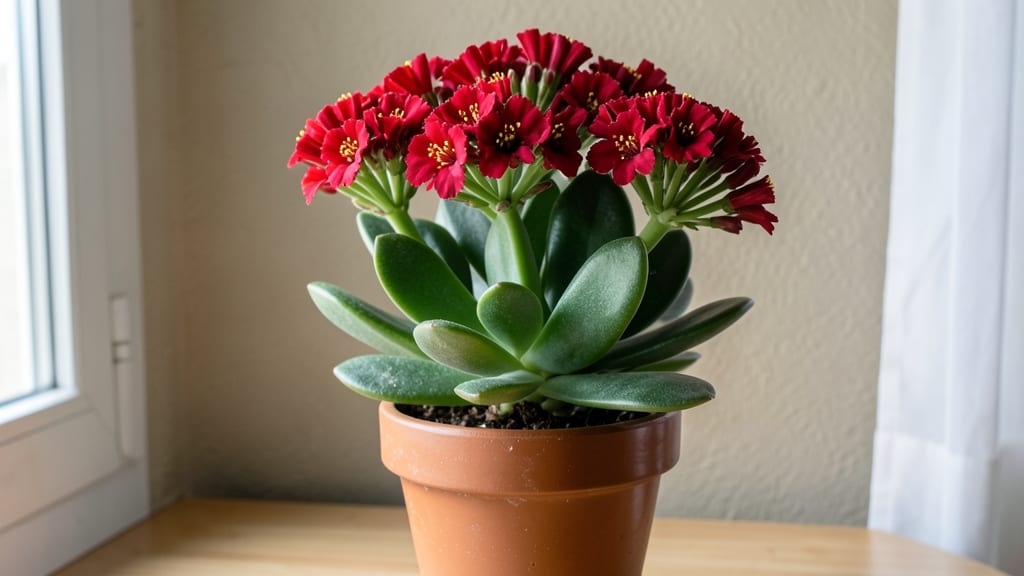
If you’re wondering how much light does a kalanchoe plant need to stay strong and bloom, the answer is simpler than you might think—these drought-tolerant beauties thrive with just 4-6 hours of bright indirect sunlight daily.
But too much direct sun can scorch their leaves, while too little makes them stretch awkwardly. I’ve seen firsthand how a simple window adjustment can transform a struggling Kalanchoe into a vibrant, flowering powerhouse. The key?
Mimicking its natural habitat—bright but not scorching—whether you’re growing it indoors or outdoors in USDA Zone 6. Curious about the best spots in your home? Or how to fix those leggy stems?
I’ll break down exactly where to place your plant, when to use grow lights, and how to spot signs of over- or under-lighting before it’s too late. Let’s get your Kalanchoe back to its happy, healthy self—starting with the perfect light setup.
 Best Window Placement
Ideal light requirements for Kalanchoe plants: bright indirect sun for optimal growth
Your Kalanchoe plant thrives on bright indirect sunlight for about 4-6 hours daily. This succulent loves light but can't handle harsh midday rays that scorch its leaves. Think of it like a sunbather who prefers a beach umbrella—plenty of light, but not direct exposure.
Without enough light, you'll notice stretched stems and sparse blooms, while too much direct sun causes leaf burn and crispy edges.
In nature, Kalanchoes grow in semi-arid regions where sunlight filters through trees. Mimic this by placing your plant near an east or west-facing window, where morning or afternoon sun is gentler.
South-facing windows work too, but use a sheer curtain to diffuse the intensity. During winter, when daylight shortens, supplement with a grow light for 6-8 hours to maintain its energy levels.
Here’s how to balance light perfectly for your Kalanchoe’s needs:
If your Kalanchoe starts developing long, spindly stems, it’s begging for more light. This condition, called etiolation, happens when the plant stretches toward any available light source. Rotate your plant quarter-turns every week to ensure even growth.
For indoor setups, a south-facing window is ideal, but if that’s not an option, a grow light placed 6-12 inches above the plant works wonders.
During winter months, natural light drops significantly. If your Kalanchoe isn’t blooming or looks weak, supplement with a LED grow light for 6-8 hours daily. Fluorescent lights also work but require closer placement.
Avoid placing your plant in dim corners or behind other obstacles—light deprivation leads to weak, unhealthy growth. Even a rotating schedule with a grow light can revive a struggling plant.
Pro tip: Observe your Kalanchoe’s leaves. Healthy leaves should be thick and upright, not drooping or pale. If you notice yellowing leaves, it might be a sign of too much water or insufficient light.
Trim any damaged leaves with sterilized scissors to encourage new growth. With the right light balance, your Kalanchoe will reward you with vibrant blooms and lush foliage all year round.
Remember, Kalanchoes are drought-tolerant but light-hungry. If you’re unsure about your home’s light conditions, start with a bright, indirect spot and adjust based on your plant’s response. Over time, you’ll learn the perfect balance for your specific environment.
For outdoor Kalanchoes, transition them gradually to avoid sunburn. Start with 2-3 hours of morning sun and gradually increase exposure over 2 weeks. In containers, ensure the pot has drainage holes to prevent root rot from overwatering—especially important when light increases evaporation rates.
🌸
Ideal light requirements for Kalanchoe plants: bright indirect sun for optimal growth
Your Kalanchoe plant craves bright indirect sunlight for about 4-6 hours daily, mimicking its natural habitat in dry, sunny regions. This means placing it near a window where sunlight filters through sheer curtains—think east or west-facing windows—to avoid harsh afternoon rays that can scorch delicate leaves.
Too little light leads to etiolation (stretched, weak stems), while too much causes leaf burn or yellowing.
The key is balance: morning sun is ideal, while afternoon sun should be gentle. In USDA Zone 6, winter’s shorter days may require supplemental light to maintain your plant’s health. I’ve found that rotating the pot every few weeks ensures even growth and prevents lopsided development.
| Requirement | Specification |
|---|---|
| Daily Light Hours | 4-6 hours |
| Light Type | Bright indirect |
| Best Window | East or west-facing |
| Winter Adjustment | Add grow lights |
| Signs of Overlight | Brown leaf tips |
| Signs of Underlight | Leggy stems |
During summer months, if your Kalanchoe is outdoors, provide afternoon shade to protect it from intense rays. I’ve seen leaf burn develop within days on plants left in full sun, so a simple move to partial shade saves the day.
For indoor plants, avoid placing them behind heavy curtains or in dim corners—brightness is non-negotiable for their flowering.
If you notice your plant stretching toward the light, it’s begging for more brightness. Rotate the pot quarter-turn weekly to encourage even growth, and consider a south-facing window if east/west isn’t an option—just filter the light with a sheer curtain.
This small adjustment can make all the difference in preventing etiolation and keeping stems sturdy.
In winter, when natural light dwindles, supplement with a 12-hour grow light (LED bulbs work best) to maintain your Kalanchoe’s health. I’ve used a simple clip-on LED light on a timer for my indoor plants, and it’s kept them thriving even in short-day conditions.
The goal? Mimic 10-12 hours of daylight to prevent dormancy and encourage blooming.
Remember, consistency is key. Sudden changes in light exposure can stress your plant, so introduce adjustments gradually. With the right balance, your Kalanchoe will reward you with vibrant blooms and compact, healthy growth—all while being one of the easiest succulents to care for.