
How To
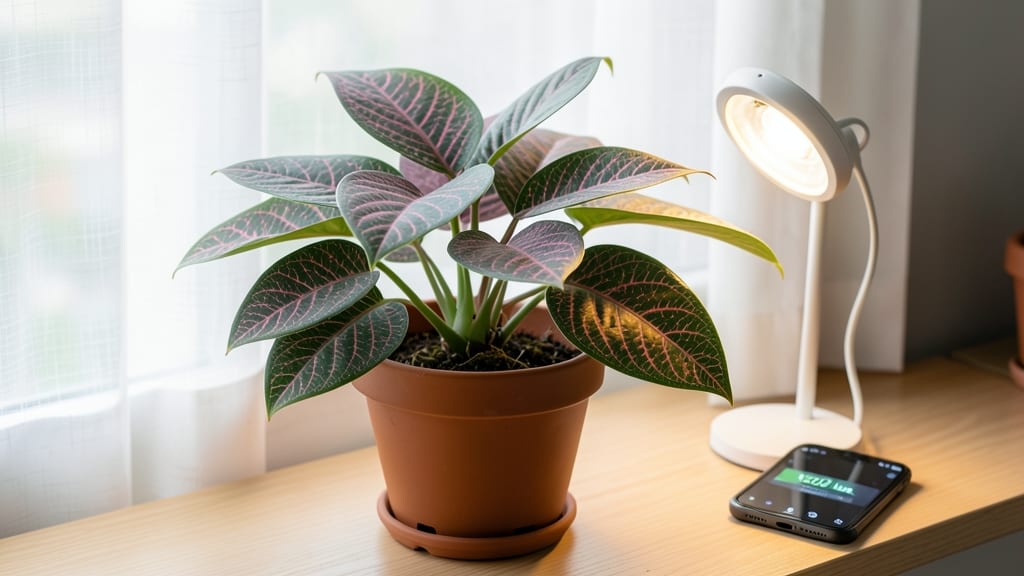
If you’re wondering how much light does a prayer plant need, look no further—your droopy or faded-leaved plant is likely begging for the right balance.
This stunning plant thrives on bright indirect light, but too much direct sun can scorch its delicate foliage while too little dims its signature marbled beauty.
The key to keeping your Prayer Plant happy lies in mimicking its natural understory habitat—think dappled sunlight filtering through trees. Most growers place theirs near east-facing windows where morning light gently wakes up the leaves without the harsh afternoon glare.
But what happens when your space only offers north-facing views or fluorescent office lighting?
Don’t worry—we’ll cover all the signs your plant is begging for more (or less) light, plus easy fixes like rotating your pot or using sheer curtains. You’ll learn how to spot over-exposure before those telltale brown spots appear, and when to supplement with grow lights for consistent growth year-round.
Whether you’re dealing with leggy stems or pale leaves, understanding your Prayer Plant’s light needs is the first step to bringing back that lush, vibrant foliage. Let’s get your plant the perfect glow so it can show off its best marbled patterns all season long.
 Best Window Placement
Optimal light requirements for prayer plant growth: bright indirect sunlight explained
The prayer plant (Maranta leuconeura) thrives in bright indirect sunlight, making it perfect for east-facing windows or filtered light spots. Too much direct sun causes leaf scorch, while too little light dulls its stunning marbled foliage patterns.
Understanding these light needs is key to keeping your plant's leaves vibrant and upright.
Ideal light conditions mimic the dappled shade of a tropical understory, where prayer plants naturally grow. This means 4-6 hours of bright light daily, but never harsh midday rays. Think of it like providing a gentle morning glow rather than a blistering afternoon sun.
🌿
| Light Condition | Description | Effect on Prayer Plant |
|---|---|---|
| Bright Indirect Light | East-facing window, 2-3 ft away | Vibrant foliage, upright growth |
| Direct Morning Sun | 1-2 hours max (before 10 AM) | Safe for short periods, boosts color |
| Direct Afternoon Sun | 12 PM - 4 PM | Brown leaf edges, scorch marks |
| Low Light (North Window) | No direct sun, dim room | Pale leaves, leggy stems |
| Artificial Grow Light | 12-14 hours/day, 6-12" away | Healthy growth in low-light spaces |
Your prayer plant's marbled patterns develop best with consistent indirect light. If placed too close to a south-facing window, you'll notice brown crispy edges within weeks.
The secret is positioning it where light filters through sheer curtains or using a reflective surface like a white wall to bounce light gently onto the leaves.
In nature, prayer plants grow under canopy trees that filter sunlight. Recreate this by placing your plant 2-3 feet from an east-facing window or using a grow light on a timer for 12 hours daily.
This mimics the natural day-night cycle that triggers the plant's famous prayer-like leaf movements at dawn and dusk.
For variegated varieties, like 'Kerchoveana' with its striking white veins, bright indirect light enhances the color contrast. Without enough light, these patterns fade to solid green, losing the plant's signature beauty. Think of light as the makeup that brings out your prayer plant's natural elegance.
🌱
If you notice your prayer plant's leaves folding downward or developing yellow patches, it's often a sign of light stress. Move it to a slightly brighter spot but avoid harsh sun.
The goal is to find that sweet spot where leaves stay perky and colorful without any signs of distress.
Pro tip: Rotate your prayer plant quarter-turn weekly to ensure all sides get equal light exposure. This prevents one-sided growth and keeps the foliage symmetrical and lush. Even a small adjustment can make a big difference in your plant's overall health and appearance.
Optimal light requirements for prayer plant growth: bright indirect sunlight explained
Your prayer plant (Maranta leuconeura) thrives in bright indirect light, mimicking its natural understory habitat where sunlight filters gently through leaves. Too little light dulls its stunning marbled foliage, while too much direct sun causes leaf scorch or crispy edges.
The ideal spot offers 4-6 hours of morning sunlight followed by afternoon shade—think east-facing windows where the sun is warm but not intense.
In nature, prayer plants grow beneath taller trees, receiving dappled sunlight that prevents harsh UV exposure. Replicating this indoors means positioning your plant 2-3 feet from an east-facing window, where morning rays gently brighten the leaves without the midday heat that damages delicate foliage.
If you notice your plant leaning toward the light, it’s time to rotate the pot for even growth.
If your home lacks natural light, grow lights can bridge the gap. Use a full-spectrum LED bulb 6-12 inches above the plant for 12-14 hours daily, mimicking natural daylight cycles.
Avoid placing prayer plants near air conditioning vents or heaters, as drafts stress the plant and disrupt its light adaptation.
Seasonal adjustments are key: in summer, move your plant further from windows to avoid afternoon sun, while winter’s weaker light may require supplemental grow lights to prevent stretching. Watch for leaf color changes—deep, rich hues signal perfect light, while pale or yellowing leaves mean it’s time to adjust placement.
Pro tip: Test your plant’s light tolerance by rotating it quarter-turns weekly, ensuring all sides receive equal exposure. This prevents lopsided growth and keeps those show-stopping marbled patterns vibrant year-round.
Remember, prayer plants are low-light tolerant but won’t thrive in dim conditions. If your space only offers artificial lighting, choose a spot near a fluorescent bulb (avoid incandescent, which emits too much heat).
With the right light balance, your prayer plant will reward you with lush, upright foliage and that coveted "prayer" position at dawn and dusk.