
Plants
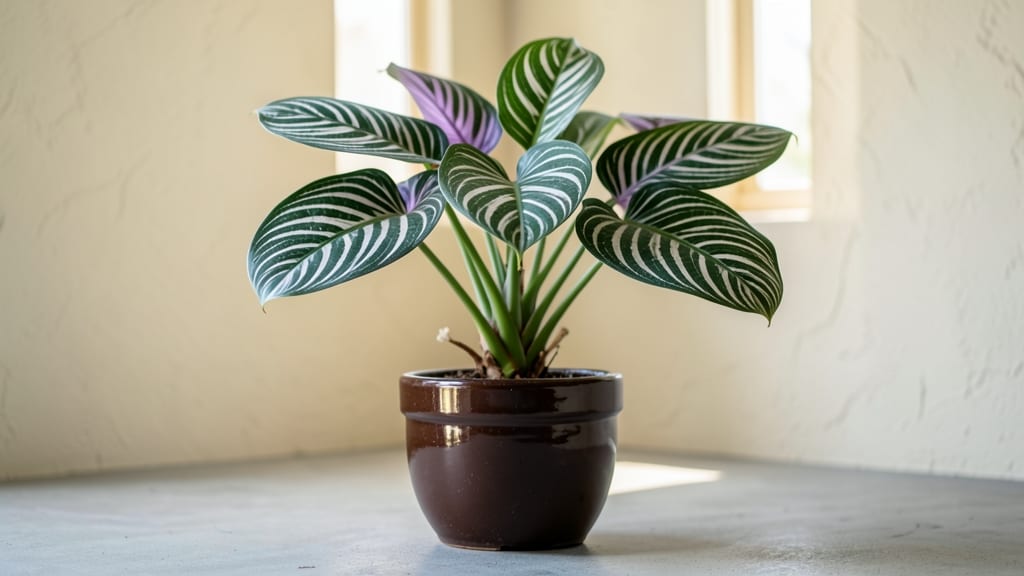
If you're wondering how much light does a zebra plant need to stay vibrant and healthy, the answer lies in finding the perfect balance—neither too dim nor too harsh.
This striking houseplant 🌿 thrives when given just the right amount of light to keep its bold stripes popping and growth strong.
The good news? Finding that sweet spot isn't as tricky as you'd think. Too little light, and you'll notice leggy stems and faded colors. Too much direct sun, and those gorgeous leaves can get scorched.
I'll walk you through exactly how to spot the perfect lighting conditions for your Zebra Plant so it thrives year-round.
Whether you're dealing with dim corners or bright windows, I've got practical solutions to help you adjust. Let's dive into the lighting secrets that'll transform your plant from struggling to stunning in no time.
From ideal window placement to artificial light options, you'll discover how to give your Zebra Plant the care it deserves. Your plant's health—and your satisfaction—will thank you for it!
 Best Window Placement
Zebra plant light requirements: the perfect balance for vibrant growth
Your zebra plant (Aphelandra squarrosa) thrives on bright indirect light, but it’s surprisingly adaptable to different lighting conditions. Understanding its light needs is key to maintaining those striking zebra-striped leaves and vibrant blooms.
Too little light leads to leggy growth, while too much can scorch delicate foliage. Let’s break down the ideal light spectrum for your plant’s health.
In nature, zebra plants grow under the dappled shade of tropical forests, where sunlight filters through tree canopies. Recreating this environment indoors means positioning your plant near a window that offers filtered sunlight rather than harsh direct rays.
For most homes, an east or west-facing window provides the perfect balance of morning or afternoon light without the intensity of midday sun.
Here’s what your zebra plant needs to flourish:
| Light Condition | Ideal Hours/Day | Plant Response | Best Location |
|---|---|---|---|
| Low Indirect Light | 2-4 hours | Slow growth, pale leaves, fewer blooms | North-facing window or 10+ feet from bright windows |
| Moderate Indirect Light | 4-6 hours | Healthy growth, vibrant stripes, occasional blooms | East/west window or 3-5 feet from south window |
| Bright Indirect Light | 6+ hours (filtered) | Optimal growth, bold stripes, frequent blooms | Sheer curtain near south window or grow light setup |
| Direct Sunlight | 2+ hours | Leaf scorch, crispy edges, stress | Avoid direct midday sun; use sheer curtains |
If your zebra plant is placed in moderate indirect light (4-6 hours daily), you’ll see the best results: vibrant foliage with those signature zebra stripes and occasional clusters of red-orange blooms. This is the sweet spot for most indoor gardeners, especially in homes with limited natural light.
Rotate your plant quarter-turns weekly to ensure even growth and prevent it from leaning toward the light source.
For those with south-facing windows, use a sheer curtain to diffuse the harsh afternoon sun. Position your zebra plant at least 3-5 feet away from the window to mimic its natural shaded habitat.
If you notice yellowing leaves or crispy edges, it’s a clear sign the light is too intense—move it further back or add a filter.
In low-light conditions, such as a north-facing room or a dim corner, your zebra plant will survive but may become leggy and lose its striking coloration. Supplement natural light with a grow light (LED or fluorescent) placed 12-18 inches above the plant for 12-14 hours daily.
This mimics the longer daylight hours of its tropical origins and encourages healthier growth patterns.
Pro tip: Observe your plant’s leaf orientation. If leaves tilt toward the light, it’s stretching for more—time to adjust its position. Conversely, if leaves appear dark green and glossy, it’s thriving in its current spot.
This visual cue is your quickest way to gauge whether your zebra plant is getting just the right amount of light.
Seasonal changes also affect light exposure. During winter months, shorter daylight hours mean your zebra plant may need a grow light supplement to maintain its health.
Conversely, in summer, longer days provide ample light, but watch for heat stress—your plant may need a break from direct sun during peak afternoon hours.
Remember, the goal is to mimic its natural habitat: bright but filtered sunlight. With the right balance, your zebra plant will reward you with lush, striped foliage and occasional bursts of color that brighten any space. 🌿
Signs your zebra plant isn’t getting enough (or too much) light
Your Zebra Plant speaks volumes about its light needs through subtle (and sometimes not-so-subtle) clues. Ignoring these signs can mean the difference between a lush, striped showstopper and a sad, leggy shadow of its former self. Let's decode what your plant is trying to tell you.
When light is too low, you'll notice stretched-out stems reaching desperately toward any available light source. This etiolation occurs as the plant prioritizes height over foliage to maximize light absorption.
The leaves may also lose their vibrant stripes, turning pale or even yellowing at the edges—a clear cry for more brightness.
On the flip side, too much direct sunlight causes stress that manifests as crispy, brown leaf edges or even sunburnt patches. The stripes may fade to a washed-out grayish-green, and the leaves might curl or develop a papery texture. These are your plant's way of saying, "I'm getting fried!"
🌱 Warning: Light Stress Signs
Too Little Light: Leggy stems, pale leaves, sparse foliage
Too Much Light: Brown leaf tips, faded stripes, crispy texture
Perfect Light: Compact growth, vibrant stripes, glossy leaves
Another telltale sign is the growth pattern. A well-lit Zebra Plant grows bushy and compact, with leaves emerging close together. When light-starved, new growth appears sparse and far apart. Pay attention to where new leaves form—if they're all clustered at the top, your plant is stretching for light.
Don't overlook the leaf undersides either. Healthy Zebra Plant leaves should have a consistent color on both sides. When light is insufficient, the undersides may appear much paler or even white. This is the plant's way of maximizing light capture through chlorophyll production on both surfaces.
Seasonal changes can also affect lighting needs. During winter, when daylight hours shrink, your Zebra Plant may show signs of light deprivation even in its usual spot. This is when supplemental lighting becomes especially helpful. Rotate your plant occasionally to ensure even growth—uneven lighting can cause lopsided development.
Remember, every home has different lighting conditions. What looks like perfect light in one space might be too harsh in another. The key is observing your plant's response and adjusting gradually.
Small changes in placement or light intensity can make a world of difference to your Zebra Plant's health and appearance.