
Plants
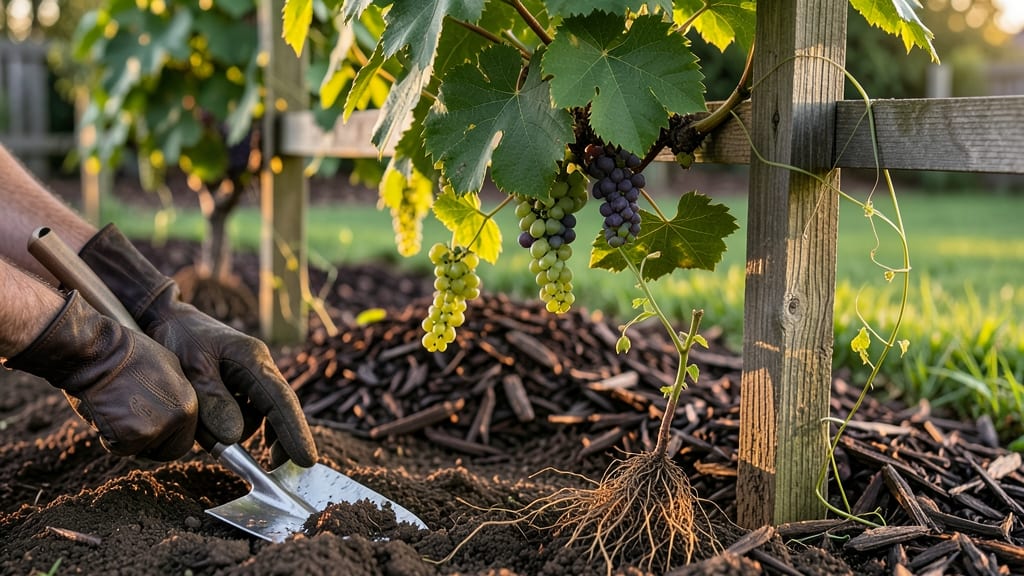
Planting grape vines in Texas at the wrong time can turn your dream harvest into a sad, wilted disappointment—but getting the timing right means juicy, sun-ripened 🍇 clusters by fall.
Texas gardeners know the stakes: too early, and your vines face scorching heat; too late, and frost sneaks in before roots take hold.
The best windows are late winter to early spring (February-March) or fall (October-November), when soil temperatures cooperate and vines have time to establish before extreme heat or cold hits.
For zones 8a-10b, this means avoiding the brutal summer months entirely—your vines will thank you with stronger growth and bigger yields.
But here’s the catch: container-grown vines need slightly different care than in-ground plantings, and some varieties (like heat-loving muscadines) thrive better with early spring starts. I’ll walk you through the exact steps—soil prep, trellis setup, and even which varieties handle Texas’ relentless sun the best.
Ready to turn your backyard into a grape-growing powerhouse? Let’s dive into the zone-specific schedule that’ll have your vines flourishing—and your table bursting with fresh fruit by harvest time.
Texas grape vine planting calendar by hardiness zones (6-10)
Texas spans USDA hardiness zones 6a through 10b, and each zone demands a different approach to planting grape vines.
In North Texas (zones 7a-8b), where last frosts hit around February 15, the ideal window is late February to early March for bare-root vines or October to November for container-grown varieties.
Meanwhile, South Texas (zones 9a-10a) can plant year-round, but fall remains the safest bet to avoid summer heat stress.
For zone 6a (Panhandle), stick to late April to early May to dodge late frosts, while zone 10a (Rio Grande Valley) gardeners can plant any month—though September or October minimizes heat shock.
Native mustang grapes thrive in zones 7-9 and tolerate Texas heat better than European varieties like Cabernet Sauvignon, which need cooler climates.
Here’s how to align your planting with Texas’ varied microclimates. Urban areas like Austin (zone 8a) may experience 10°F warmer soil temps than rural areas, delaying planting by 2-3 weeks. Always check your local frost-free date—it’s your planting deadline.
| Zone | Last Frost | Best Planting Window | Notes |
|---|---|---|---|
| 6a (Panhandle) | Mid-April | Late April–Early May | Cold-hardy varieties only (e.g., Concord) |
| 7a-8b (Dallas, Austin) | Mid-February | Late Feb–Early Mar OR Oct–Nov | Fall planting preferred for root establishment |
| 9a-10a (Houston, San Antonio) | None (tropical) | Year-round (best: Sep–Oct) | Heat-tolerant varieties (e.g., Albariño) |
If you’re planting in fall (October–November), focus on container-grown vines to avoid root shock from summer heat. Bare-root vines planted in spring (March–April) need consistent moisture for the first 60 days to establish roots before Texas’ 100°F+ summers arrive.
For zone 10a, prioritize shade cloth during June–August to protect young vines.
Pro tip: Mustang grapes (native to Texas) are drought-resistant and can be planted anytime in zones 7-9, but spring planting yields the fastest harvest. These vines thrive with minimal care and produce sweet, seedless fruit perfect for jams or fresh eating.
For European varieties like Chardonnay or Merlot, limit planting to North Texas (zones 7-8) and use drip irrigation to combat heat stress. These vines need well-draining soil—amend clay-heavy Texas soil with compost or sand before planting. Avoid waterlogged conditions, which cause root rot in humid summers.
In South Texas (zones 9-10), Albariño and Cynthiana are top picks for their heat tolerance. Plant these in September to let roots establish before winter rains arrive. Always mulch heavily (3–4 inches of straw or wood chips) to retain moisture and regulate soil temperature.
Remember: Texas’ erratic weather means flexibility is key. If a heatwave hits during planting, delay until soil temps drop below 85°F. Use a soil thermometer—grape roots need 60–70°F soil to thrive. For container planting, move pots to shadier spots during peak summer heat.
🍇
Critical climate factors that determine planting success in Texas
Texas’ extreme heat and unpredictable frost can make or break your grape vine’s first season. The key is planting when soil temperatures are ideal—typically 60-65°F (15-18°C)—and avoiding the brutal summer months when roots can bake.
In North Texas (zones 7-8), last frost dates range from mid-February to early March, while South Texas (zones 9-10) rarely sees frost, giving you a longer window.
But here’s the catch: urban areas like Austin or Dallas can be 10°F hotter than rural zones due to the heat island effect. Container-grown vines in these areas need extra shade during peak heat (11 AM–3 PM) to prevent transplant shock.
Always check your local frost-free days—most Texas regions have 210-300 frost-free days, but early starts in zone 10 can stretch into November.
🚨 Callout Warning: Avoid planting during heat waves (100°F+)—even well-established vines struggle to root in soil hotter than 80°F (27°C). Use a soil thermometer to test before planting; if temps exceed 75°F (24°C), wait 2-3 weeks or use shade cloth for the first month.
⚠️ Heat Wave Risk: When to Delay Planting
Soil Temp Warning: If ground temps hit 80°F+ (27°C+), roots bake and vines wilt within days. Use shade cloth (30-50%) or plant in partial shade until soil cools.
Urban Heat Tip: Container vines in cities need daily watering during 100°F+ spells. Elevate pots to improve airflow and reduce heat stress.
Another critical factor is drainage. Texas soils range from clay-heavy (North) to sandy (South), and poor drainage leads to root rot. Amend heavy soils with compost or sand (50/50 mix) and raise beds 6-12 inches if your yard floods after rain.
In drought-prone areas, mulch with wood chips (3-4 inches) to retain moisture and regulate soil temp.
For fall planting (October-November), aim to give vines 6-8 weeks to root before first frost. In zone 9-10, this means planting by mid-November; in zone 7-8, wrap young vines with burlap or frost cloth if temps dip below 30°F (-1°C).
Pro tip: Mustang grapes (native to Texas) handle cold better than vinifera varieties—plant them 2-3 weeks earlier for extra insurance.
Finally, monitor humidity levels. High humidity in East Texas increases fungal diseases like powdery mildew, while West Texas’ dry air can stress vines. Choose disease-resistant varieties (e.g., Bluebunch or Scuppernong) and prune for good airflow—this means open-canopy training and avoiding thick foliage near the trellis.