
Plants
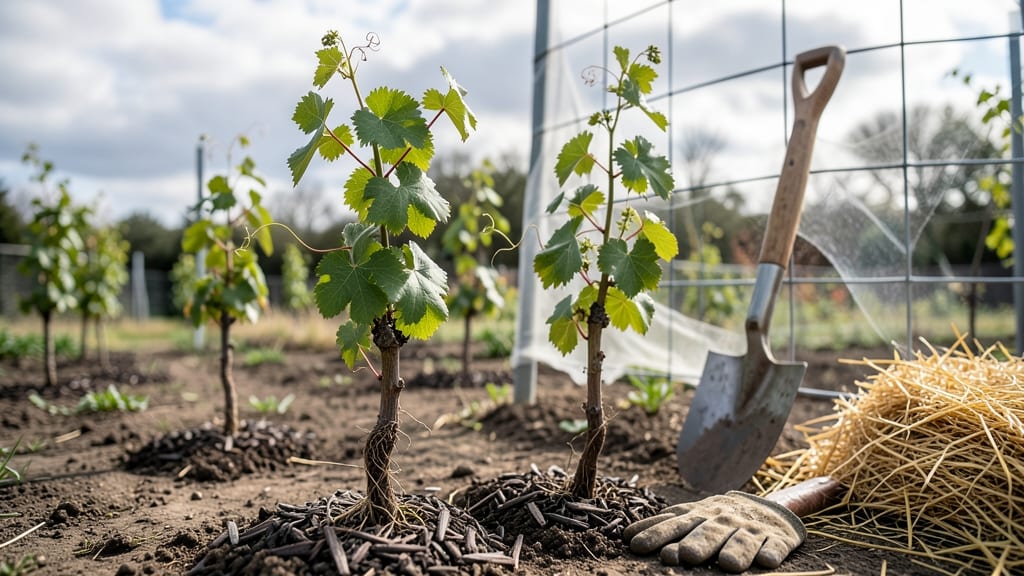
Timing your 🍇 grapes planting in Indiana isn’t just about the calendar—it’s about dodging late frosts that can turn tender shoots into sad, wilted memories.
With Indiana’s USDA zones 5b-6b and unpredictable spring weather, planting too early risks losing your investment, while waiting too long might leave your vines struggling to mature before harvest.
Most Indiana gardeners swear by late April to early May as the sweet spot, once the soil warms to at least 50°F and the last frost has passed (usually around April 15, but don’t bet your vines on it!).
Whether you’re planting bare-root vines or potted varieties, understanding your local microclimate—especially the difference between northern Indiana’s chillier zones and the warmer southern regions—can mean the difference between a thriving vineyard and a disappointing flop.
But here’s the thing: not all grapes are created equal. Cold-hardy varieties like Concord and Niagara can handle Indiana’s cooler springs better than tender wine grapes like Cabernet Franc.
I’ll break down exactly which varieties thrive in your zone, how to adjust for Indiana’s unpredictable weather, and the soil prep tricks that’ll give your vines the best start possible.
Ready to turn your backyard into a grape-growing success? Let’s dive into the frost-free timeline that’ll have your vines reaching for the sky—and your table loaded with homegrown fruit by next summer.
Indiana’s frost-free zones and best planting months by grape variety
Indiana’s USDA zones 5b-6b create a delicate balance for grape growers—too early, and late frosts can devastate tender shoots; too late, and vines won’t mature before winter.
The average last frost date hovers around April 15 in most regions, but northern Indiana (like Gary) can see frost as late as May 1, while southern Indiana (Evansville) typically warms up by April 1.
Understanding these regional differences is key to selecting the right grape variety and planting window.
For cold-hardy varieties like Concord and Niagara, planting in early April (bare-root) or late April (container-grown) works well, as they can tolerate brief cold snaps. However, tender varieties such as Cabernet Franc or Chardonnay require waiting until after May 15 to avoid frost damage.
Even then, young vines need protection until they establish roots.
Here’s how Indiana’s microclimates break down for grape planting:
| Region | USDA Zone | Last Frost Date | Best Planting Window | Recommended Varieties |
|---|---|---|---|---|
| Northern Indiana (Gary, South Bend) | 5b | May 1 | Late April - Early May | Concord, Niagara, Valiant |
| Central Indiana (Indianapolis, Lafayette) | 6a | April 15 | Early April - Late April | Frontenac, Marquette, Traminette |
| Southern Indiana (Evansville, Terre Haute) | 6b | April 1 | Late March - Early April | Cabernet Franc, Chardonnay, Riesling |
If you’re planting bare-root vines, aim for early spring (March-April) when soil temperatures reach 50°F. For container-grown grapes, extend your window to late April or May, as they adapt more easily to transplanting.
Always check Purdue Extension’s frost maps for your specific county—these tools provide real-time updates on frost risks.
Another critical factor is soil temperature. Grapes won’t thrive if planted in cold soil. Use a soil thermometer to confirm temperatures are consistently above 50°F at a depth of 4 inches. In cooler climates, consider black plastic mulch to warm the soil faster and protect young shoots.
For fall planting, which is less common but possible in Indiana’s warmer southern regions, aim for September-October. This allows vines to establish roots before winter but requires careful monitoring of first frost dates (typically October 15).
Fall-planted vines need extra mulch and insulation to survive the first winter.
Pro tip: Hardened vines (those planted the previous year) can handle earlier spring planting, while first-year vines need extra protection. Always choose a south-facing slope to maximize sunlight and warmth, which accelerates growth and reduces frost risks.
Remember, Indiana’s microclimates can vary even within a few miles. Urban areas like Indianapolis may have 2-3°F warmer microclimates than rural zones, so adjust your planting timeline accordingly. When in doubt, consult your local cooperative extension office for hyper-local advice.
Finally, pair your planting timeline with proper trellis installation. Grapes need support from day one, and installing a trellis before planting ensures you won’t damage roots later. A well-supported vine grows 3x faster and produces 20% more fruit.
How to adjust planting time for Indiana’s unpredictable weather patterns
Indiana’s weather can throw even the most experienced gardeners for a loop—one year’s last frost might be mid-April, while the next brings a surprise freeze into early May. To protect your grapevines, I’ve learned to play it smart: soil temperature matters just as much as the calendar.
Most nurseries recommend planting when the ground reaches 50°F, but I always double-check with a soil thermometer to avoid false starts.
For northern Indiana (zones 5b-6a), where frosts linger longer, I delay planting until late April or early May.
Southern Indiana gardeners (zones 6a-6b) can often start as early as mid-April, but I still wait until after the average last frost date—usually around April 15—just to be safe. The key is flexibility: if Mother Nature throws a curveball, I’m ready to adjust.
The visual below breaks down my go-to strategies for fine-tuning planting times based on Indiana’s quirks. These tactics have saved my vines from more than one unexpected chill.
- 🌡️ Use a soil thermometer—plant only when soil hits 50°F+ for 3+ days. Cold soil stunts root growth.
- 📅 Check Purdue Extension’s frost maps—bookmark their local frost date tool and adjust your timeline accordingly.
- 🌿 Warm the soil faster with black plastic mulch laid 2-3 weeks before planting. This adds 5-10°F to soil temps.
- 🌱 Start potted vines indoors in late winter, then transplant after last frost. This buys you 2-4 weeks of head start.
- ❄️ Have frost cloth ready—cover young vines if a late frost is forecasted. Even 30°F nights can damage tender shoots.
Another trick I swear by? Planting bare-root vines instead of container-grown ones. Bare-root varieties establish roots faster in cooler soil, giving them a better shot at surviving Indiana’s unpredictable springs. I’ve had success with Concord grapes planted this way in early May—by July, they’re already sending out vigorous shoots.
If you’re planting wine grapes like Cabernet Franc, which are less cold-hardy, I recommend waiting until mid-May and using a row cover for the first month. These varieties need more time to harden off before Indiana’s summer heat hits.
Pro tip: I always install my trellis system before planting—digging post holes in May is a nightmare when the ground is soft.
Finally, don’t overlook microclimates. A south-facing slope in your yard might warm up 1-2 weeks earlier than your north-facing garden. I’ve planted Niagara grapes on a sunny hillside in early April with no issues, while the same variety struggled in a low-lying area until May.
Pay attention to where the sun hits longest in your space—it’s a game-changer for Indiana grape growers.