
Plants
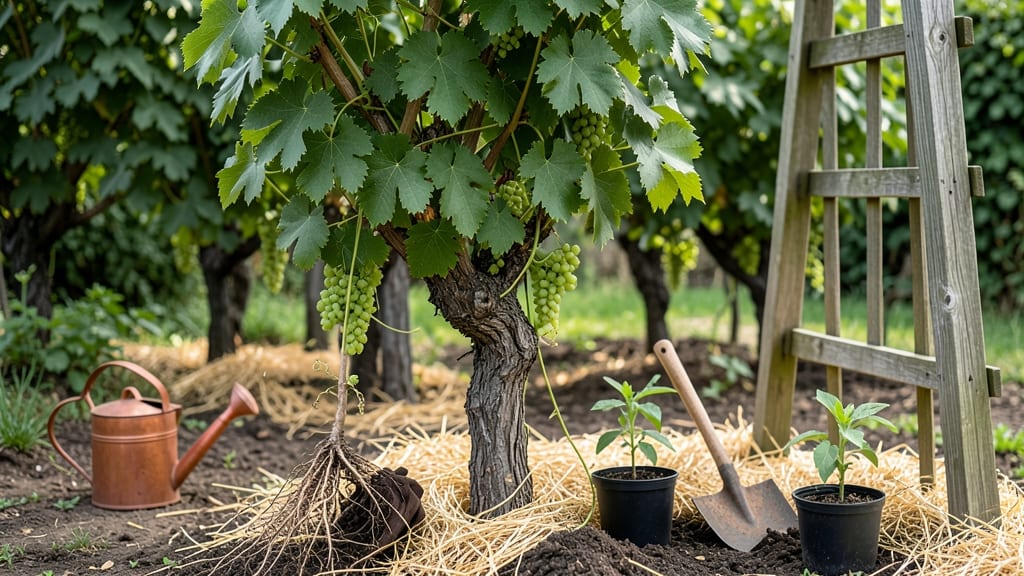
Timing is everything when it comes to planting grapes in Alabama—get it wrong, and your 🍇 vines might never recover from the heat or frost. The key lies in understanding your region's chill-hour needs and frost-free deadlines, which can vary dramatically between North and South Alabama.
Alabama's 7b-8b climate zones offer a unique growing window, but even small differences in elevation or microclimates can shift your ideal planting schedule. Whether you're eyeing hardy muscadines or delicate vinifera varieties, knowing when to plant ensures your vines establish strong roots before summer's brutal heat arrives.
I'll walk you through the exact planting calendar tailored to Alabama's conditions, from soil prep in late winter to post-planting care that keeps your vines thriving. You'll discover which varieties suit your area best and how to extend their growing season for maximum fruit production.
Ready to grow grapes that burst with flavor? Let's dive into the step-by-step guide that will transform your backyard into a productive vineyard—without the guesswork.
Best planting times for Alabama grapes by chill-hour requirements
Alabama’s humid subtropical climate creates unique challenges for grape growers, especially when it comes to chill-hour requirements. Unlike northern states, Alabama’s mild winters mean many traditional grape varieties won’t survive without careful selection.
The key is matching chill-hour needs (hours below 45°F) to your specific Alabama region—North Alabama (USDA Zone 7b) gets slightly more chill than South Alabama (Zone 8a).
For example, Muscadine grapes thrive in Alabama because they require 0-300 chill hours, while Vitis vinifera varieties (like Cabernet Sauvignon) need 600+ chill hours—far beyond what Alabama naturally provides.
This mismatch explains why many home gardeners struggle with poor fruit set or weak vines. Let’s break down the best planting windows for each category.
🌱
| Variety Type | Chill-Hour Needs | Best Planting Window | Alabama Regions | Key Notes |
|---|---|---|---|---|
| Muscadine (Vitis rotundifolia) | 0-300 hours | Late February to early March | Statewide (7b-8a) | Native to AL; thrives in heat/humidity; disease-resistant |
| Hybrid (e.g., 'Bluebelle', 'Scuppernong') | 300-500 hours | Mid-March to April | North AL (7b) preferred | Balanced chill; good for home gardens; needs trellis |
| Vitis vinifera (e.g., 'Thompson Seedless') | 600+ hours | Not recommended (unless using heat-tolerant rootstock) | North AL only (7b) | Risk of winter damage; requires extra mulch and protection |
| Cold-Hardy Vinifera (e.g., 'Chardonnay') | 500-600 hours | Late March (after last frost) | North AL (7b) | Use dwarf rootstock; prune aggressively for survival |
Alabama’s frost-free deadlines further complicate timing. In North Alabama, the average last frost date is around March 15, while South Alabama can plant as late as April 1 due to warmer microclimates.
Planting too early risks frost damage to emerging buds, while planting too late may delay the vine’s ability to establish roots before summer heat arrives.
For Muscadines, which are native to Alabama, the ideal window is late February to early March. This timing aligns with soil warming to 50°F+ while avoiding late-winter frosts.
In contrast, hybrid varieties like 'Bluebelle' need to wait until mid-March to ensure they’ve accumulated enough chill hours to break dormancy properly.
🌿
If you’re in South Alabama (Zone 8a), focus on low-chill varieties like 'Carlos' or 'Fry' Muscadines. These varieties handle the region’s shorter winter chill and hotter summers better than their northern counterparts.
In North Alabama (Zone 7b), you have more flexibility to experiment with hybrids or even cold-hardy vinifera on dwarf rootstock.
One critical factor often overlooked is soil temperature. Grapes won’t thrive if planted in cold, wet soil. Use a soil thermometer to confirm temperatures are above 50°F before planting. In Alabama, this typically means waiting until mid-to-late March for most regions.
For bare-root vines, which are the most common type sold, planting in dormant season (winter/early spring) gives roots time to establish before the heat of summer.
✂️
Pro tip: If you’re planting potted grapes (a less common but viable option for Alabama’s heat), you can extend your planting window into early April. However, potted vines require consistent moisture and may struggle with root shock if not transplanted carefully.
For best results, stick with bare-root vines in late winter and container-grown plants in early spring.
Finally, remember that Alabama’s humidity increases disease pressure, especially for Vitis vinifera varieties. If you’re pushing the limits with higher-chill grapes, prioritize well-draining soil, proper spacing
Step-by-step Alabama grape planting calendar: month-by-month guide
Alabama’s humid subtropical climate means your grape planting timeline must account for both late frosts and summer heat. The best time to plant grapes in Alabama is during the dormant season, when vines can establish roots before spring growth begins.
For most regions, this means late winter to early spring, but timing varies slightly between North and South Alabama.
In North Alabama (USDA Zone 7b), where frosts linger longer, aim to plant bare-root vines between February 15 and March 15. Meanwhile, South Alabama (Zone 8b) gardeners can plant as late as March 15 to April 1, thanks to milder winters.
Fall planting is possible but riskier—only attempt it in October to November if your area has consistent soil temperatures above 50°F.
🌱 Pro Tip: Always check your local frost-free date (typically March 15 in most of Alabama) to avoid planting too early. Use a soil thermometer to confirm temperatures are above 50°F before transplanting.
📅 Alabama Grape Planting Step-by-Step Timeline
- Late Winter (Feb): Order bare-root vines or potted plants from reputable nurseries. Prepare soil by amending with compost and sand for drainage.
- Early Spring (Mar): Soak bare-root vines in water for 4-6 hours before planting. Dig holes twice as wide as the root ball and 12 inches deep.
- Spring (Mar-Apr): Plant vines 2-3 feet apart in rows 8-10 feet apart. Install trellis supports immediately to guide vine growth.
- Spring (Apr-May): Apply 2-3 inches of mulch around vines to retain moisture and suppress weeds. Water deeply once per week.
- Summer (Jun-Aug): Monitor for pests like Japanese beetles and diseases like powdery mildew. Prune vines to encourage air circulation.
- Fall (Sep-Oct): Reduce watering as vines prepare for dormancy. Apply balanced fertilizer in early fall to build root strength.
- Winter (Nov-Feb): Protect young vines from freezing temperatures with row covers or straw mulch in colder North Alabama zones.
For fall planting, aim to complete all steps by mid-November to allow roots to establish before winter. In South Alabama, you might push this to early December, but avoid planting after December 15 to prevent root damage from cold snaps.
Always choose disease-resistant varieties like ‘Bluebelle’ muscadines or ‘Cynthiana’ grapes for Alabama’s humid conditions.
💧 Watering Schedule: After planting, water deeply every 7-10 days during the first growing season. Once established, grapes are drought-tolerant, but consistent moisture during fruit development (June-August) ensures sweeter grapes. Use drip irrigation to avoid wetting foliage, which reduces fungal risks.
🌡️ Heat Stress Alert: Alabama’s summers can push temperatures above 90°F, stressing young vines. Provide afternoon shade for newly planted grapes until they’re 2 years old. Mature vines handle heat better but still need regular pruning to improve airflow and reduce heat buildup.