
Plants
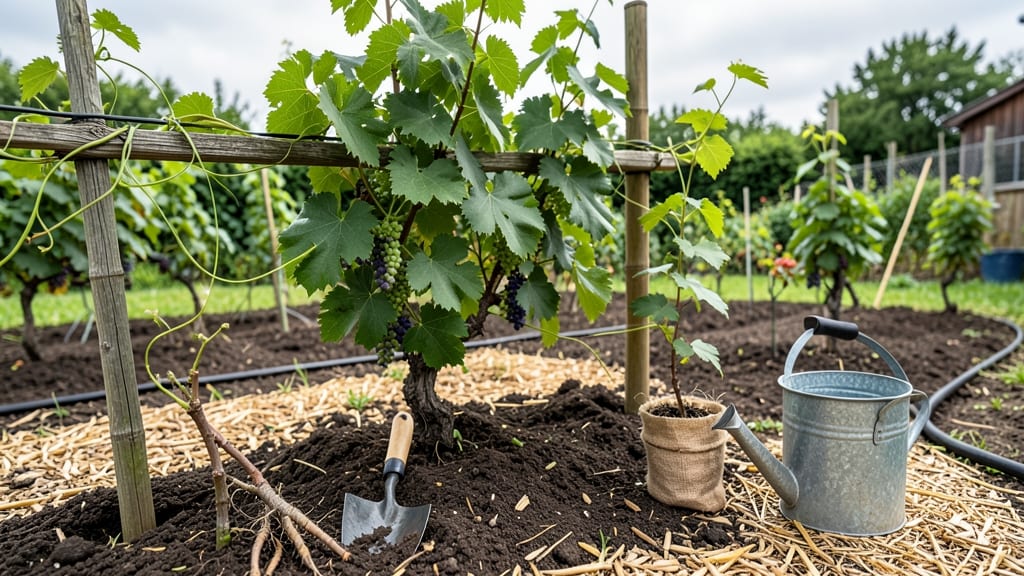
Timing your grapes in Florida planting just right can mean the difference between a lush, productive vine and a struggling plant fighting against the state's intense heat and humidity.
Florida’s year-round growing season might seem like a gardener’s dream, but without the right strategy, even the hardiest 🍇 varieties can struggle.
Most Florida gardeners assume they can plant grapes anytime, but the best window actually depends on your specific microclimate—whether you're in frost-prone North Florida or the consistently warm South.
I’ve seen firsthand how planting in the dormant season (late winter or early spring) gives vines the head start they need to establish roots before the summer heat ramps up.
In this guide, I’ll break down exactly when to plant grapes in Florida’s USDA zones 8a-11, including how to adjust for coastal humidity, inland heat stress, and the unique needs of Muscadines versus wine grapes.
You’ll also discover whether container gardening is a viable option for urban growers and how to avoid common pitfalls that derail even the most enthusiastic gardeners.
Whether you're dreaming of a backyard vineyard or just want a few vines for fresh fruit, getting the timing right is the key to success. Let’s dive into the details that will help your grapes thrive all year long.
Best planting months for grapes in Florida’s 3 key microclimates
Florida’s diverse microclimates mean your grapes’ planting window depends on whether you’re in North, Central, or South Florida. Unlike northern states, Florida’s frost-free growing season spans nearly year-round—but timing still matters for root establishment and disease prevention.
Let’s break it down by region, including soil temperature and variety-specific advice.
For North Florida (USDA Zones 8a-8b), where light frosts can still occur in January and December, the ideal planting window is late February through March.
This gives vines time to establish roots before summer’s intense heat and humidity. Muscadine grapes, Florida’s native variety, thrive here and can even handle slight winter chill better than wine grapes.
Central Florida (Zones 9a-9b) offers the most flexibility, with January through April as prime planting months. The absence of frost in most years means you can plant bare-root vines as early as mid-January, but soil temperatures below 60°F can slow root growth. Wine grapes like Catawba or Bluebunch perform well here with proper trellis support.
South Florida (Zones 10a-11) is the most forgiving, with year-round planting possible—but summer planting (June-August) carries higher disease risks due to high humidity. Aim for September through December to avoid heat stress on young vines. Red Globe and Thompson Seedless varieties excel in this region’s tropical climate.
🍇 Florida Grape Planting Comparison
| Region | Best Planting Months | Soil Temp Requirement | Top Varieties | Key Risk |
|---|---|---|---|---|
| North Florida | Late Feb–March | 60°F+ (15°C+) | Muscadine, Catawba | Late frost |
| Central Florida | January–April | 55°F+ (13°C+) | Bluebunch, Scuppernong | Heat stress |
| South Florida | September–December | 65°F+ (18°C+) | Red Globe, Thompson Seedless | Humidity/fungal diseases |
Regardless of region, soil temperature is critical. Use a soil thermometer to confirm roots can establish—aim for 60°F (15°C) or warmer. In North Florida, wait until after the last frost date (typically mid-March), while South Florida growers can plant year-round with shade cloth during summer.
For container growing, which is popular in urban Florida, plant bare-root vines in late winter (February) to give them 6-8 weeks to acclimate before summer heat. Use 5-gallon pots with drainage holes and a well-draining potting mix to prevent root rot.
Muscadine grapes are the hardiest choice for Florida, tolerating humidity and heat better than wine grapes. If you’re planting wine grapes, prioritize disease-resistant varieties like Bluebunch or Cynara to combat powdery mildew, a common issue in Florida’s tropical climate.
Pro tip: Mulch heavily (3-4 inches) with pine straw or wood chips to retain moisture and regulate soil temperature. This is especially important in South Florida’s dry seasons or North Florida’s hot summers.
Water deeply 2-3 times per week for the first month after planting to encourage root depth.
Timing your grapes’ planting isn’t just about months—it’s about microclimates. Whether you’re in frost-prone North Florida or humid South Florida, aligning your schedule with soil temps, variety needs, and regional risks sets your vines up for year-round success.
Next, we’ll dive into how Florida’s unique climate factors can make or break your grape harvest.
How Florida’s microclimates affect grapes: what to watch for
Florida’s microclimates create dramatic differences in growing conditions for grapes, and ignoring these variations can lead to poor vine health or even crop failure. In North Florida (zones 8a-8b), you’ll face occasional light frosts in winter, while Central Florida (zones 9a-9b) battles intense summer humidity and heat stress.
Meanwhile, South Florida (zones 10a-11) rarely sees frost but struggles with high humidity and fungal diseases year-round.
These regional differences mean your planting timing must adapt. For example, Muscadines—Florida’s native grape—thrive in humid coastal areas but may suffer from heat stress in inland zones.
Wine grapes, on the other hand, need cooler nights to develop flavor, making them better suited for higher elevations like North Florida’s panhandle region.
The biggest challenge across all regions is disease pressure. Florida’s warm, wet climate is a breeding ground for powdery mildew and black rot, which can devastate grapevines if not managed.
In coastal areas, I recommend planting disease-resistant varieties like ‘Scuppernong’ or ‘Carlos,’ while inland growers should focus on proper air circulation and fungicide sprays during humid months.
Another critical factor is soil temperature. Grapes need soil temps above 60°F (15°C) to root effectively. In South Florida, this is rarely an issue, but in North Florida, planting too early (before March) risks root rot from cold, soggy soil.
Always check soil temps with a soil thermometer before planting—it’s a game-changer for success.
⚠️ Coastal vs. Inland Planting Risks
Coastal Florida: High humidity + salt spray = fungal diseases and leaf burn. Choose salt-tolerant varieties and plant elevated beds.
Inland Florida: Intense summer heat + dry soil = heat stress and poor fruit set. Mulch heavily and drip-irrigate to keep roots cool.
North Florida: Late frosts + cold snaps = damaged buds. Plant after last frost (typically mid-March) and use frost cloth for young vines.
If you’re growing grapes in urban Florida, microclimates become even more critical. A backyard in Miami might be 10°F warmer than one in Orlando just 20 miles away due to heat islands.
Always scout your specific location for sun exposure, wind patterns, and nearby water bodies—these can drastically alter your grapes’ growing conditions.
Finally, don’t overlook the role of wind. Coastal areas experience salty winds that can scorch leaves, while inland zones may face drying winds that increase water stress. Installing a windbreak (like a trellis or hedge) can protect your vines and improve fruit quality.
Paying attention to these microclimate factors will help you avoid common pitfalls and grow healthier, more productive grapes.