
Plants
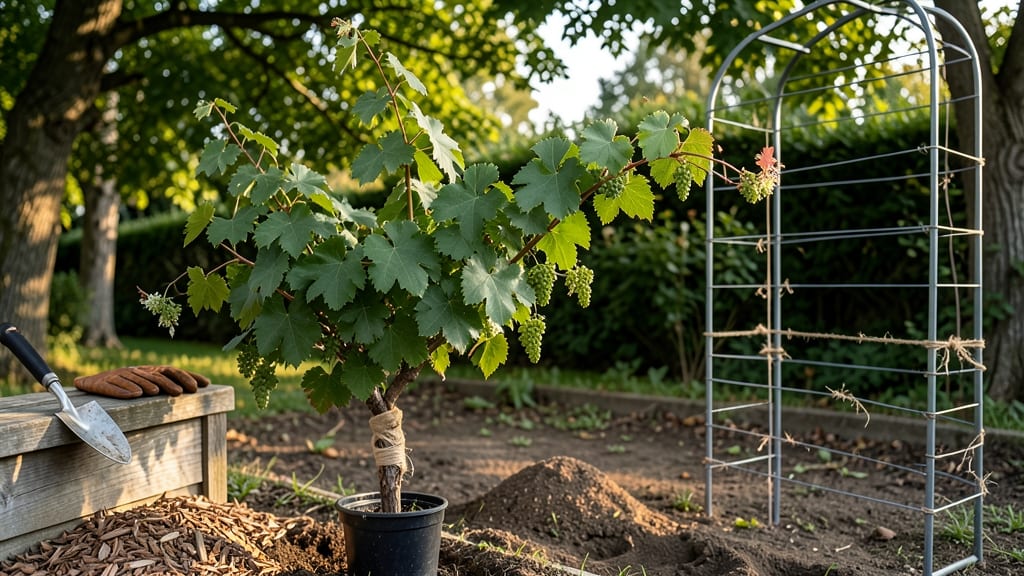
Timing your grape vine planting in Zone 7 could make or break your harvest—get it wrong, and you might end up with weak roots or missed growing seasons. The key isn’t just avoiding frost; it’s matching your variety’s chill-hour needs to your local climate for reliable fruit production.
Most gardeners in Zone 7 (like me!) assume early spring is the only option, but late fall can actually give your 🍇 grape vine a stronger start. I’ll walk you through the exact windows—when soil warms enough for roots to thrive without risking early frost damage.
You’ll also discover which varieties (like cold-hardy Cabernet or disease-resistant Concord) perform best in your zone, plus how to prep your site for maximum success. Trust me, skipping these steps can lead to years of frustration.
Let’s dive into the perfect planting schedule—so you can enjoy homegrown grapes from late summer to early fall without the guesswork.

Zone 7 grape vine planting timeline: chill-hour requirements explained
In Zone 7, the last frost date typically falls around April 15, but your exact timing depends on your microclimate. For grape vines, chill hours (hours below 45°F) are critical—most varieties need 500-1,000 hours to break dormancy.
Planting too early risks frost damage, while waiting too long delays root establishment. Let’s break down the ideal windows and chill-hour needs for popular varieties.
Your two best options are early spring (4-6 weeks before last frost) or late fall (6-8 weeks before first frost). Spring planting gives vines a full growing season, while fall planting allows roots to establish before winter.
For Zone 7, aim for March-April or October-November—but verify your local chill hours first.
Here’s how chill hours impact your planting choices:
| Variety | Chill Hours Needed | Best Planting Window | Notes |
|---|---|---|---|
| Cabernet Sauvignon | 800-1,000 | Late March-April | Needs warm summers; avoid early planting |
| Merlot | 600-800 | Early March-April or October | Adaptable to cooler climates |
| Concord | 500-700 | February-March or September | Cold-hardy; great for beginners |
| Chardonnay | 700-900 | Late March-April | Requires consistent warmth |
| Thompson Seedless | 400-600 | February-March or October | Drought-tolerant; early ripener |
To calculate your local chill hours, use a weather station or online tools like the USDA Plant Hardiness Zone Map. For example, Atlanta, GA averages 800 chill hours, while Raleigh, NC gets closer to 1,000 hours.
Match your variety’s needs to your location—Thompson Seedless thrives in low-chill areas, while Cabernet Sauvignon needs more.
Soil temperature is another key factor. Grape vines need soil temps above 50°F to root properly. In Zone 7, this usually happens by mid-March, but monitor your local soil thermometer. Planting in cooler soils slows root growth and increases frost risk.
For bare-root vines, soak roots in water for 2-4 hours before planting to revive them. If using potted vines, transplant when roots fill the container—this ensures they’re ready for Zone 7’s long growing season. Both methods work, but bare-root vines are often cheaper and easier to establish.
After planting, mulch with 3-4 inches of organic mulch (like straw or wood chips) to retain moisture and regulate soil temperature. This is especially critical in Zone 7’s fluctuating spring and fall temps. Water deeply once a week for the first month to encourage root spread.
Timing your planting isn’t just about the calendar—it’s about matching your grape variety to your chill hours and microclimate. Use this guide to pick the right window, and your vines will reward you with abundant harvests for years to come. 🍇
Zone 7 grape vine planting timeline: chill-hour requirements explained
Understanding chill-hour requirements is the secret to successful grape vine planting in Zone 7. Most varieties need 500-1,000 chill hours (temperatures between 32°F and 45°F) to break dormancy and produce fruit.
In Zone 7, we typically see 800-1,200 chill hours annually, making it ideal for cold-hardy varieties like Cabernet Franc or Concord.
Your local chill hours determine whether you can grow wine grapes or stick to juice varieties. For example, Cabernet Sauvignon (900+ chill hours) thrives here, while Chardonnay (500-600 chill hours) may struggle. Always check the variety’s chill-hour range before planting—this is non-negotiable for reliable harvests.
| Variety | Chill-Hour Range | Best Planting Window | Zone 7 Fit |
|---|---|---|---|
| Cabernet Franc | 900-1,200 | Early Spring (March-April) | Excellent |
| Concord | 600-900 | Late Fall (October-November) | Perfect |
| Merlot | 800-1,000 | Early Spring (March-April) | Good |
| Chardonnay | 500-600 | Late Spring (April-May) | Marginal |
| Niagara | 500-700 | Late Fall (October) | Good |
In Zone 7, your last frost date (around April 15) marks the cutoff for spring planting. Aim to plant 4-6 weeks before this date to give roots time to establish before summer heat arrives.
For fall planting, choose October-November when soil temps drop below 60°F—this helps vines harden off for winter.
Pro tip: Use a soil thermometer to confirm temps are above 50°F for spring planting or below 60°F for fall. Cold soil slows root growth, while warm soil encourages early sprouting—both can backfire if timed wrong.
I’ve seen vines planted too early in February suffer from frost heave, while late May plantings struggle to establish before summer.
Once you’ve matched your variety to chill hours, prep your site by amending soil with compost and sand (Zone 7 soils can be heavy clay). Mulch with straw or wood chips to retain moisture and regulate temps.
After planting, water deeply 2-3 times per week until roots spread—this is where most gardeners fail, leading to weak vines.
Remember: Bare-root vines planted in spring need immediate watering, while container-grown vines can handle fall planting better. Test your soil’s pH (6.0-7.0) and adjust if needed—acidic soil stresses grape roots. With the right timing and prep, your Zone 7 grape vines will reward you with abundant harvests for decades.