
Plants
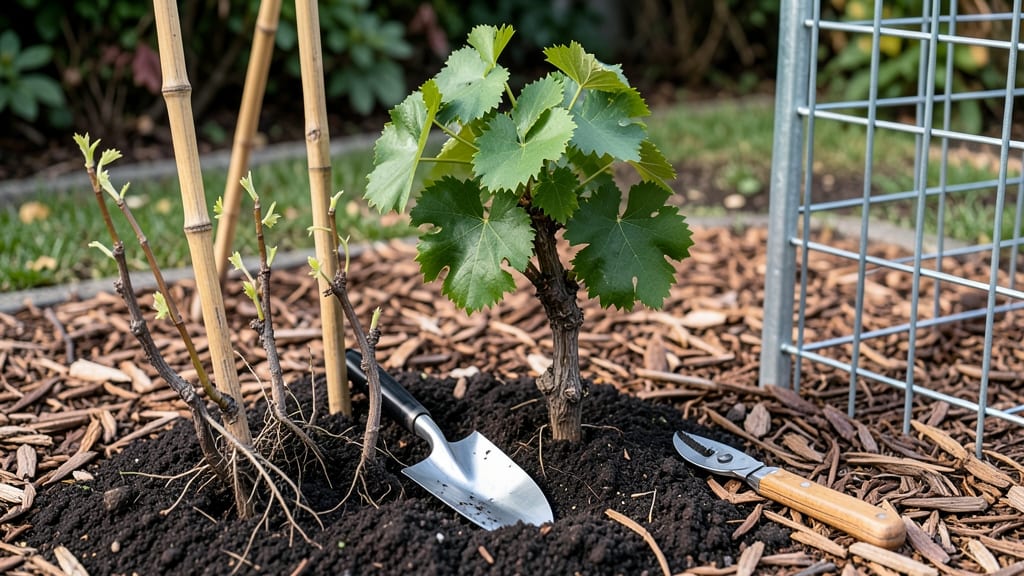
Knowing when to plant grape vines in Georgia can mean the difference between a thriving 🍇 harvest and a wasted investment. Georgia’s climate—from the balmy coastal plains to the cooler mountain regions—creates unique challenges that demand precise timing.
Whether you're a first-time gardener or a seasoned vineyard enthusiast, planting at the wrong time can leave your grape vines vulnerable to frost damage or stunted growth. The key is understanding your specific microclimate, from the last frost dates in North Georgia to the extended growing season in South Georgia.
In this guide, I’ll break down the best planting windows for both bare-root and container-grown grape vines, so you can start strong in late winter or early spring—or take advantage of the ideal fall planting season.
You’ll also discover how to prepare your soil and choose the right varieties for your region.
Let’s get your grape vines off to the best possible start, ensuring they grow healthy, productive, and ready for that perfect late-summer harvest.
Georgia’s optimal grape vine planting windows by microclimate zone
Georgia’s three distinct climate zones—North Georgia’s cooler highlands, Central Georgia’s Piedmont region, and South Georgia’s humid coastal plains—each demand a tailored approach to grape vine planting. Timing your vines correctly ensures strong root establishment before summer heat or winter frost strikes.
Let’s break down the best planting windows for each zone, including soil temperature thresholds and last-frost dates.
For North Georgia (USDA Zones 7a-7b), where frost lingers until mid-April, aim to plant bare-root vines in late February to early March. Soil temperatures should reach 50°F (10°C) consistently.
In Central Georgia (Zones 7b-8a), plant container-grown vines in late March to early April when last frost averages mid-March. Meanwhile, South Georgia (Zones 8a-8b) gardeners can plant through April due to milder winters.
Fall planting is also viable in all zones, but September to early October works best. Vines planted in fall benefit from 6-8 weeks of root growth before winter dormancy. Avoid planting after October 15th, as new roots won’t harden before frost.
Soil temperature is critical—wait until it reaches 55°F (13°C) for spring planting. Use a soil thermometer to monitor. In North Georgia, this often aligns with late March, while South Georgia may see ideal temps by early March. For container planting, adjust timing 2 weeks earlier to account for faster warming.
Microclimate matters: Valleys and low-lying areas frost earlier than hillsides. If your yard sits in a frost pocket, opt for cold-hardy varieties like Cynthiana (Norton) or delay planting until after April 15th. Use a frost-free date map (like the Georgia Climate Project) to pinpoint your exact zone.
🌱
| Zone | Last Frost | Spring Planting Window | Fall Planting Window | Soil Temp Threshold |
|---|---|---|---|---|
| North Georgia (7a-7b) | Mid-April | Late Feb - Early Mar | Sep 15 - Oct 5 | 50°F (10°C) |
| Central Georgia (7b-8a) | Mid-March | Late Mar - Early Apr | Sep 1 - Oct 10 | 55°F (13°C) |
| South Georgia (8a-8b) | Early March | Early Mar - Apr | Sep 15 - Oct 15 | 60°F (16°C) |
*Adjust dates 1-2 weeks earlier for container-grown vines.
If you’re planting bare-root vines, do it in late winter (February-March) to give roots time to establish before summer.
For container-grown vines, fall planting (September-October) is ideal—they’ll root before winter and burst into growth in spring. Never plant in summer, as heat stress slows root development.
For trellis systems, install them before planting. Grape vines need 6-8 feet of vertical space and a strong support structure to handle their weight. Use T-posts or metal trellises for durability. In North Georgia, add row covers if planting early to protect from late frosts.
Amend your soil with compost and organic matter 4-6 weeks before planting. Grape vines thrive in well-draining, slightly acidic soil (pH 6.0-6.5).
Test your soil and adjust with lime (to raise pH) or sulfur (to lower pH) as needed. Mulch heavily after planting to retain moisture and regulate soil temperature.
Pro tip: In South Georgia’s humid climate, plant 2-3 weeks earlier than the table suggests. The extra warmth helps vines establish faster. Monitor your local National Weather Service forecasts for unseasonable cold snaps and adjust timing accordingly.
🍇
How to adjust planting time for early or late frost risks
Georgia’s unpredictable frost patterns can throw off even the most careful planting schedule. If you live in a high-elevation area like the Blue Ridge Mountains, late frosts can linger into April, while coastal regions like Savannah may face early fall freezes by October.
The key is flexibility—knowing how to extend your growing season or protect young vines when Mother Nature doesn’t cooperate.
For gardeners in frost-prone zones, cold-hardy grape varieties like Cynthiana (Norton) or Scuppernong are excellent choices. These varieties can tolerate brief dips to 15°F once established, giving you a buffer if frost sneaks in unexpectedly.
Planting these in early spring (after the last frost) ensures they have time to harden off before winter.
If you’re planting in fall, aim for September in North Georgia or October in South Georgia. This gives vines 6-8 weeks to establish roots before the first frost. Use a soil thermometer to check that temperatures stay above 50°F—root growth slows below this threshold, delaying establishment.
🌱
Frost Risks: How to Protect Your Grape Vines
Late Spring Frost: If frost threatens after planting, cover young vines with a frost blanket or row cover and use string lights to add warmth. Avoid plastic sheets—they can trap too much heat and scorch leaves.
Early Fall Frost: Plant heat-loving varieties like Muscadine or Black Spanish in containers for mobility. Move pots to a sheltered spot or greenhouse if frost is forecasted within 4-6 weeks of planting.
Soil Warming: Use black plastic mulch or straw bales around the base of vines to absorb sunlight and raise soil temperatures by 5-10°F. This helps roots establish faster in cooler climates.
Another strategy is to plant bare-root vines in late winter (February-March) rather than fall. While this means waiting for warmer soil, it reduces the risk of winter heaving—when frozen soil expands and dislodges roots.
If you choose this route, mulch heavily with straw or wood chips to insulate roots during winter dormancy.
For container-grown vines, size matters. Smaller pots (5-10 gallons) warm up faster in spring but dry out quicker. If frost is a concern, opt for larger containers (15+ gallons) to give roots more thermal mass.
Place pots near a south-facing wall to maximize sunlight exposure and protect them from north winds.
Finally, monitor your local microclimate. Low-lying areas or valleys can trap cold air, while slopes or raised beds stay warmer. If your garden is in a frost pocket, consider planting grape vines on a slight incline or near a trellis against a warm wall to mitigate risks.
With these adjustments, you can plant grape vines with confidence, even in Georgia’s most unpredictable frost zones. The right variety, timing, and protective measures will ensure your vines thrive year after year.
☀️