
Plants
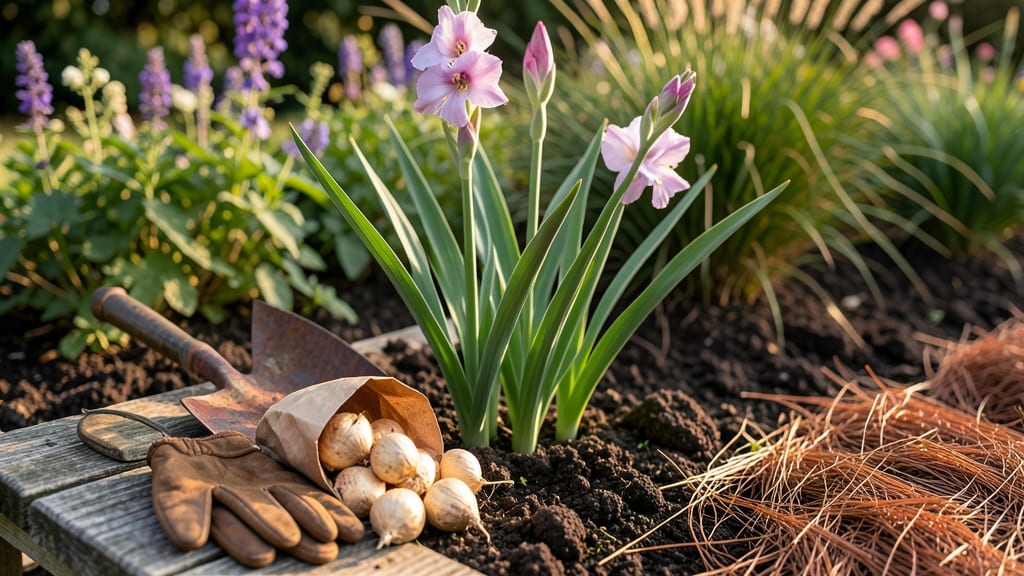
Timing when to plant gladiolus in Florida isn’t just about the calendar—it’s about outsmarting the heat, humidity, and even hurricane season to get those dramatic 5-foot spikes blooming reliably.
Unlike cooler climates, Florida’s frost-free zones (9a–11) let you plant year-round, but the real magic happens when you align your schedule with soil temps, rainfall patterns, and regional microclimates.
Most gardeners in North Florida (Zone 9a) start as early as March, while those in South Florida (Zones 10a–11) can push planting into September for winter blooms. The key? Avoiding the soggy soil of hurricane season (June–October) while giving corms time to root before summer’s brutal heat.
I’ll break down the exact windows—plus how to adjust for urban heat islands or sandy soil—that’ll make your Gladiolus thrive when others fail.
You’ll also discover why staggered plantings (every 4–6 weeks) create nonstop color, and which heat-tolerant varieties like ‘Pictured Perfect’ outperform others in Florida’s sweltering afternoons. No more guessing—just a foolproof plan to turn your garden into a bold, blooming spectacle that even Florida’s unpredictable weather can’t stop.
Ready to ditch the trial-and-error? Let’s dive into the month-by-month strategy that’ll have your Gladiolus standing tall and proud—no matter where you are in the Sunshine State.
Florida Gladiolus planting calendar: month-by-month heat-zone guide
Gladiolus thrive in Florida’s heat when planted at the right time—but the exact months depend on your USDA zone and local microclimate. Unlike northern states, Florida’s frost-free growing season stretches nearly year-round, giving you two primary planting windows for bold blooms.
Let’s break down the ideal months by zone, including hurricane prep and late-season tips.
Zone 9A–10A gardeners (South Florida, Miami, Tampa) enjoy the longest growing season, while Zone 8A (North Florida, Jacksonville) faces slightly cooler winters. Even in warm zones, hurricane season (June–November) demands extra care—planting too close to storms risks waterlogged soil and rot.
We’ll cover how to adjust timing for urban heat islands and rural cooler spots too.
| Month | Zone 8A (North FL) | Zone 9A–10A (Central/South FL) | Soil Temp | Notes |
|---|---|---|---|---|
| February | ❌ Avoid | ✅ Early Start | 60–65°F | South FL only; risk of spring rains and fungal disease. |
| March | ✅ Best Time | ✅ Ideal | 65–75°F | Perfect for spring blooms; plant before hurricane season starts. |
| April | ✅ Peak Window | ✅ Peak Window | 75–85°F | Best for summer-long blooms; stagger plantings for continuous color. |
| May | ✅ Late Extension | ✅ Late Extension | 80–90°F | Plant heat-tolerant varieties; mulch to retain moisture. |
| June–August | ❌ Risky | ⚠️ Possible (Urban Areas) | 85–95°F | Only in shaded or irrigated spots; use drip irrigation to avoid fungal issues. |
| September | ✅ Fall Option | ✅ Fall Option | 75–85°F | Avoid hurricane season rains; plant in elevated beds. |
| October | ❌ Too Late | ⚠️ Limited Success | 70–80°F | Corms may not establish roots before cooler temps. |
For Zone 8A (North Florida), March–April is your sweet spot—planting in May risks overheating and poor blooms. In Zones 9A–10A, you can extend planting into September, but avoid late August due to hurricane flooding risks.
Pro tip: Use raised beds in urban areas to escape heat island effect and improve drainage.
Soil temperature is critical: Gladiolus corms need 60°F+ to sprout. Test your soil with a soil thermometer—if it’s below 65°F, wait 1–2 weeks. In
Florida Gladiolus planting calendar: month-by-month heat-zone guide
Florida’s frost-free zones (9a–11) let you plant Gladiolus almost year-round, but the best months depend on your location and microclimate. In North Florida (Zone 9a), aim for March–May to avoid summer’s brutal heat, while South Florida (Zones 10a–11) gardeners can extend planting into September for winter blooms.
The key is aligning your schedule with soil temperatures (ideal: 60–70°F) and avoiding hurricane season’s soggy soil.
Urban gardens in Miami or Orlando often experience higher heat islands, so plant earlier (February–March) to let roots establish before summer. Rural areas with sandy soil benefit from late summer (August–September) plantings to capitalize on cooler evenings.
Staggering plantings every 4–6 weeks ensures nonstop blooms from June to October.
🌱
📅 Florida Gladiolus Planting Summary
| Zone | Best Planting Months | Soil Temp | Bloom Window | Notes |
|---|---|---|---|---|
| 9a (North FL) | March–May | 60–70°F | June–September | Avoid summer heat; use shade cloth if needed. |
| 10a (Central FL) | February–June, August–September | 65–75°F | April–November | Stagger plantings for continuous blooms. |
| 10b–11 (South FL) | January–March, August–October | 70–80°F | March–May, September–November | Late-season plantings bloom in winter. |
For urban gardens, adjust planting 2–4 weeks earlier to escape pavement heat. In sandy soil, mix in compost or coconut coir to retain moisture during Florida’s dry spells.
Always plant corms 4–6 inches deep and space them 4–6 inches apart to prevent crowding and fungal diseases like botrytis, which thrives in Florida’s humidity.
🌡️ Monitor soil temperatures with a thermometer—ideal range is 60–70°F. If temps exceed 80°F, provide afternoon shade or use lightweight mulch to keep roots cool.
In hurricane-prone areas, plant August–September corms in raised beds to avoid flooding. This timing also lets you harvest blooms before storm season peaks (June–October).
🌿 Pro tip: Plant ‘Green Gold’ or ‘Pictured Perfect’ varieties in late summer (August) for winter blooms that brighten up holiday gardens. These heat-tolerant cultivars handle Florida’s 90°F+ afternoons better than traditional types.
Pair them with marigolds or snapdragons to deter pests like thrips, a common gladiolus nuisance in Florida.