
Plants
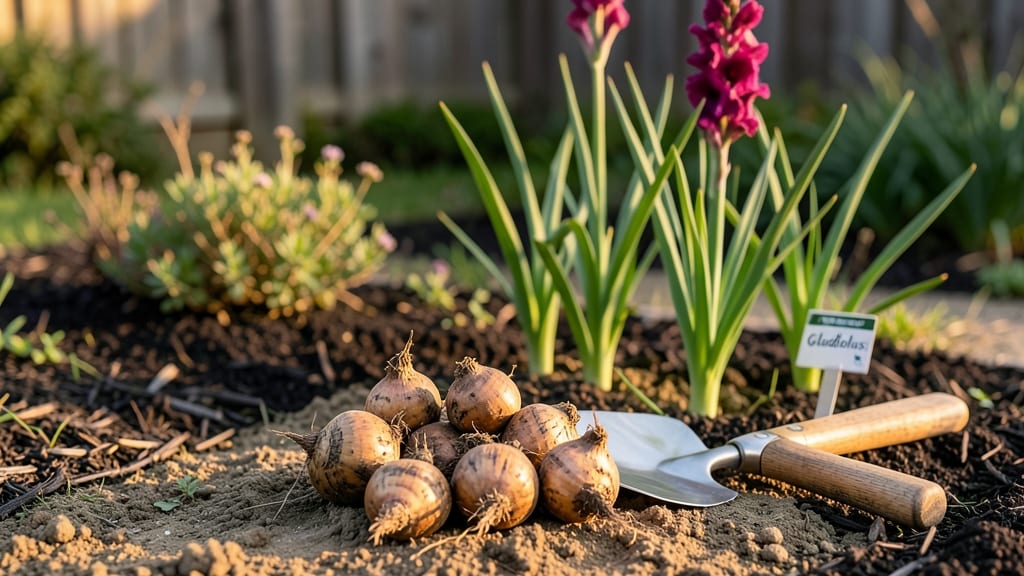
Timing your Gladiolus planting in Maine isn't just about the calendar—it's about dodging those sneaky late frosts that can turn your 🌸 dreams into wilted disappointment. With USDA Zones 5b-6a, you’ve got a narrow window between mid-May and early June to get those corms in the ground just right.
Here’s the catch: planting too early risks frost damage, while waiting too long cuts your blooming season short. The key is knowing your last frost date—typically around May 10—and giving the soil time to warm up to at least 60°F. That’s where local know-how makes all the difference.
In this guide, I’ll break down the exact planting timeline for Maine’s climate, plus pro tips to stretch your blooms into September. Whether you’re a first-time gardener or a seasoned grower, these strategies will help you avoid common mistakes and grow show-stopping glads that thrive in our shorter season.
Let’s get those corms in the ground at the perfect moment—so you can enjoy bold, vibrant blooms from late summer right through fall. Ready to dive in?
Maine’s gladiolus planting deadlines by last frost date
Timing gladiolus planting in Maine is all about beating the last frost while giving corms enough warmth to sprout. Most of the state falls under USDA Zones 5-6, where the average last frost date ranges from May 10 (inland) to May 20 (coastal areas).
Planting too early risks frost damage, while waiting too long cuts back on bloom time. Aim for 4-6 weeks after your last frost date when soil temperatures consistently hit 55°F or warmer.
For inland Maine (Zones 5b), this typically means planting gladiolus corms between mid-May and early June. Coastal regions (Zone 6a) can start slightly earlier, around late April to mid-May, thanks to milder microclimates.
Always check your local frost date records—Maine’s coastal areas like Portland can be 1-2 weeks earlier than northern regions like Bangor.
Gladiolus thrive in Maine’s summer heat but need a head start. Early varieties like 'Franz Kafka' or 'Black Star' should go in first, followed by mid-season types like 'Green Wave'.
Late bloomers like 'Pink Parfait' can wait until early June. Staggering planting dates extends your bloom season from late July through September.
Soil temperature is just as critical as air temperature. Use a soil thermometer to confirm your garden is ready—gladiolus corms won’t sprout until soil reaches 60°F. In cooler inland areas, this might mean waiting until early June, while coastal gardens can start earlier.
Warmer soil speeds up growth and ensures taller, sturdier stems for cutting.
Maine’s unpredictable weather adds another layer of complexity. A late frost in May can devastate early plantings, while dry spells in June may stress newly emerged shoots. To minimize risks, I always plant gladiolus in raised beds or mounded soil to improve drainage and warmth.
Add a 2-3 inch layer of compost to boost soil fertility and moisture retention.
Here’s a quick reference for Maine’s gladiolus planting timeline based on frost dates:
For the most accurate planting date, reference the Maine State Climate Office or use the National Oceanic and Atmospheric Administration (NOAA) frost calendar. These resources provide historical frost data for your specific location, helping you adjust planting times year to year.
In my garden, I’ve found that staggering plantings every 2 weeks creates a continuous display of blooms from July through September.
If you’re unsure about your local frost date, err on the side of caution. Gladiolus corms can handle cooler soil better than they can handle frost. Planting too early often leads to rot or stunted growth, while waiting until mid-June might limit your bloom time.
For inland Maine, I recommend waiting until June 1 to ensure safety, even if soil is workable earlier.
Pro tip: Mark your planting date on a garden calendar and set reminders for fertilizing (every 4-6 weeks) and watering (1-2 inches weekly). Gladiolus in Maine need consistent moisture to support their 3-5 foot stems, especially during dry spells.
Mulching with straw or shredded leaves helps retain moisture and regulate soil temperature.
Finally, choose disease-resistant varieties like 'Picasso' or 'White Prodigy' to combat Maine’s humid summers. These types handle fungal pressures better than heirloom varieties, giving you more reliable blooms.
With the right timing and care, your gladiolus will reward you with vibrant, long-lasting cut flowers that brighten up Maine’s shorter growing season.
How to extend Maine’s gladiolus growing season without risking frost
Maine’s short growing season can feel like a race against time for gladiolus lovers. But with the right strategies, you can push those 🌸 blooms into September—without losing them to frost. The trick is protecting tender corms and stems while extending the season naturally.
I’ve tested these methods in my Zone 5b garden, and they’ve added 3-4 weeks to my blooming season. From lightweight row covers to strategic planting, here’s how to beat Maine’s early frosts while keeping your glads thriving.
Start by choosing heat-tolerant varieties like ‘Star Gazer’ or ‘Green Star’—they handle Maine’s summer heat better than delicate hybrids. Pair them with these proven extension tactics for maximum results.
Pros & Cons of Frost Protection Methods
Row Covers
✅ Lightweight, breathable, easy to install
✅ Extends season by 2-3 weeks
✅ Budget-friendly ($15-$30)
⚠️ Reduces airflow slightly
Cold Frames
✅ Year-round protection
✅ Extends season by 4-6 weeks
✅ Reusable for other crops
⚠️ Higher upfront cost ($50-$100)
Staggered Planting
✅ No extra materials needed
✅ Ensures continuous blooms
✅ Works with any variety
⚠️ Requires garden space
Heat-Tolerant Varieties
✅ Naturally resistant to heat stress
✅ Longer vase life
✅ Bold, vibrant colors
⚠️ Limited color options
For row covers, install them when nighttime temperatures drop below 50°F. Use floating row covers (not solid plastic) to allow airflow while trapping heat. Secure edges with bricks or soil to prevent wind damage.
My favorite staggered planting trick? Plant 3 batches of corms every 2 weeks starting in early May. This ensures blooms from July through September, giving you a continuous display. Just be sure to space them 6 inches apart to avoid overcrowding.
For late-season protection, consider a mini cold frame over your tallest glads. Even a simple clear plastic dome over a wire hoop can add 10°F of warmth during chilly nights. Just
With these methods, you’ll enjoy gladiolus blooms well into October—proving that Maine’s short season doesn’t have to limit your garden’s drama. The key is acting early and combining multiple strategies for the best results. 🌿