
Plants
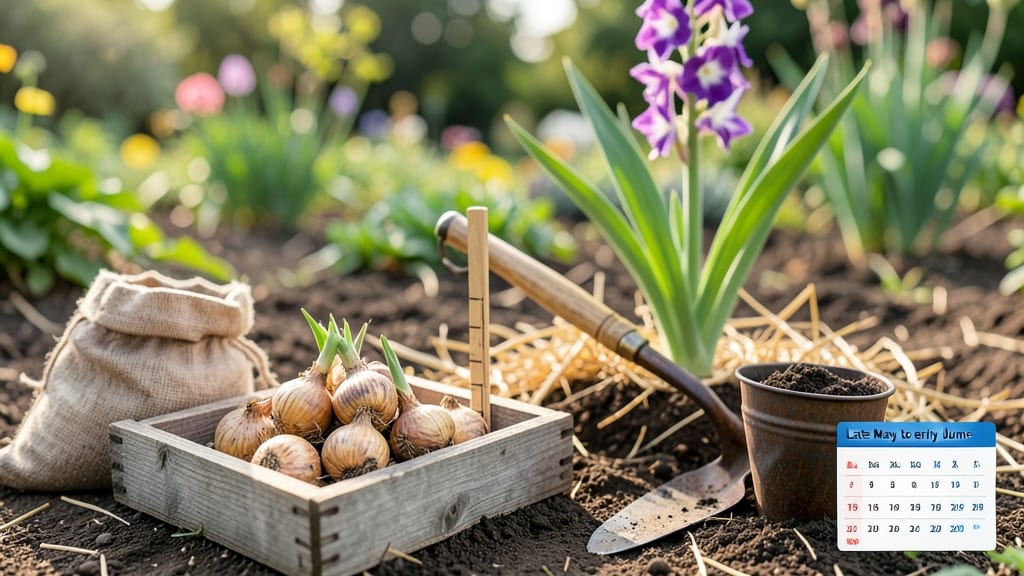
Timing your gladiolus bulbs planting in Massachusetts could mean the difference between a garden bursting with 🌺 and one that barely breaks ground. Unlike some flowers that forgive late starts, these showy stalks demand precision—especially in Zone 6a, where frost lingers until mid-April.
Most gardeners here swear by the late April to early May window, but that’s not the whole story. Soil temperature matters just as much as calendar dates—planting too soon in cold ground can stunt growth, while waiting too long risks missing the sweet spot for summer blooms.
I’ll break down exactly when to dig in your specific corner of the state, whether you’re in coastal Boston or inland Worcester.
You’ll also discover how to prep your soil for bold, healthy blooms, including the right depth and spacing to avoid common pitfalls. Skip the guesswork and get the step-by-step guide to turn your gladiolus into the star of your July to September garden.
Ready to transform your yard into a parade of tall, vibrant flowers? Let’s get those corms in the ground at the perfect moment—no more waiting for next year’s blooms.
Best months to plant gladiolus bulbs in Massachusetts by hardiness Zone
Massachusetts spans USDA Zones 5-7, but the key factor for gladiolus planting isn't just the zone—it's soil temperature and last frost dates.
In most of the state, gladiolus corms should wait until late April to early May for spring planting, after the ground warms to at least 60°F (15°C). Coastal areas like Cape Cod may push planting to early June due to cooler soils.
For fall planting, which is riskier in Massachusetts, aim for late August to early September—giving corms time to establish roots before winter. However, Zone 5 gardeners should skip fall planting entirely, as frosts can damage young roots.
In Zone 6-7 areas (like Boston or Worcester), fall planting might work if you mulch heavily.
Pro tip: Use the Massachusetts Extension Service's frost date map to pinpoint your exact last frost date. For most of the state, this lands in mid-April, but inland areas (like the Berkshires) can be 2 weeks earlier. Planting too early risks rotten corms from cold, wet soil.
Here’s the golden window for spring planting by region:
Why this timing? Gladiolus corms need warm soil to sprout, but they’ll rot if planted in cold, soggy ground. A soil thermometer is your best friend—wait until readings hit 60°F (15°C) at 4-inch depth. In Zone 5, this often means waiting until May 15 or later.
For container gardening, you can plant 2 weeks earlier since pots warm up faster. Fill containers with a lightweight mix (50% potting soil, 50% perlite) to improve drainage. Just be ready to move pots indoors if frost threatens.
One common mistake? Planting gladiolus too deep in cooler zones. In Zone 5, dig only 3 inches deep—shallower than the standard 4-6 inches—to help corms warm up faster. Use a mulch blanket (straw or shredded leaves) after planting to regulate soil temps.
If you’re in Zone 7 (like parts of southeastern MA), you can push spring planting to early April, but monitor weather closely. A late frost in April can still damage tender shoots. For extra protection, use frost cloth until nighttime temps stay above 32°F (0°C).
🌺
Best months to plant gladiolus bulbs in Massachusetts by hardiness Zone
Massachusetts spans USDA Zones 5-7, but your exact location—whether you're in coastal New Bedford (Zone 7a) or inland Springfield (Zone 6a)—dictates the ideal planting window. While most gardeners aim for late April to early May, soil temperature is the real game-changer.
Gladiolus corms need soil that's warmed to at least 60°F (15°C) to sprout reliably.
In Zone 6a (covering most of central MA), last frost typically hits around April 15, but don't rush—wait until soil reaches 60°F (usually late April to early May). Coastal areas in Zone 7a can plant 2-3 weeks earlier due to milder winters, often by mid-April.
For Zone 5 (northwest MA), push planting to mid-May to avoid frost damage.
Here’s the exact timeline for each zone, including regional adjustments:
| Zone | Last Frost Date | Ideal Planting Window | Soil Temp Threshold | Bloom Time |
|---|---|---|---|---|
| Zone 5 (NW MA) | Mid-May | Mid-May to early June | 60°F (15°C) | Late July–September |
| Zone 6a (Central MA) | April 15 | Late April–early May | 60°F (15°C) | July–September |
| Zone 7a (Coastal MA) | March 20–April 5 | Mid-April–early May | 55°F (13°C) | June–August |
Bloom times shift 2–3 weeks earlier in coastal zones due to warmer microclimates.
Pro tip: Use a soil thermometer to confirm readiness—planting too early in cold soil can rot corms before they sprout. For extended summer blooms, consider a second planting in late June (Zone 6a/7a only), which will flower into fall.
Fall planting is not recommended in Massachusetts due to early frosts, but if you’re in Zone 7a, you could* try planting in late September for next-year blooms—though success rates drop significantly. Stick to spring planting for reliable results.
Now that you’ve got your timing locked in, the next step is prepping those corms for maximum bloom potential. We’ll cover soil prep, depth, and spacing in the next section—trust me, these details make all the difference for show-stopping gladiolus! 🌺