
Plants
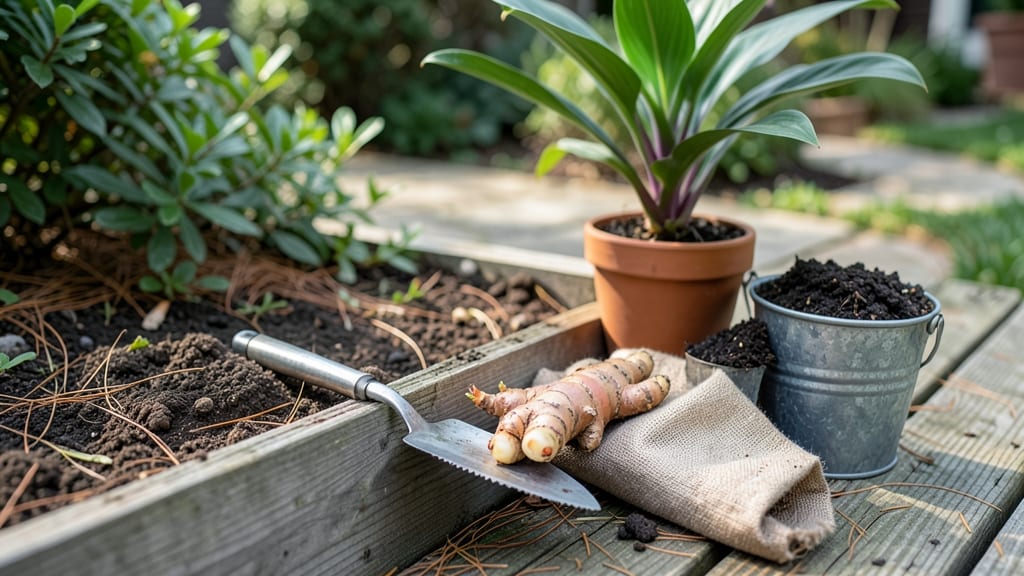
Timing your ginger planting in North Carolina can mean the difference between a thriving harvest and a frost-killed crop—especially in zones 6a-8b where temperatures swing wildly. Unlike many plants, ginger 🌿 needs warm soil to sprout, making early spring or late summer the sweet spot for North Carolina gardeners.
Most gardeners in NC plant ginger rhizomes between March and April or again in September-October, aligning with the state's frost-free windows. But here's the catch: coastal areas like Wilmington have longer growing seasons than the Piedmont, so your exact timing might shift depending on microclimates and last-frost dates.
What you'll discover is that ginger thrives as an annual in NC's climate, meaning you'll replant each year—but with the right preparation (like soaking rhizomes and cutting them properly), you can maximize those 9-11 months of growth before harvest season arrives.
Let's break down exactly when to plant, how to protect your crop from NC's unpredictable frosts, and the simple prep steps that make all the difference for your ginger harvest.
Best planting months for ginger in NC: frost-free zones explained
Growing ginger in North Carolina requires careful timing to align with the state’s humid subtropical climate and frost-free periods. Unlike many plants, ginger thrives in warm soil and struggles with temperatures below 50°F.
In NC’s USDA Zones 6a-8b, your planting window hinges on avoiding frost while ensuring enough time for rhizomes to mature.
Most NC gardeners plant ginger in two ideal windows: spring (March–April) and late summer (August–September). Spring planting gives ginger 9–11 months to grow before winter, while fall planting allows it to establish roots before the first frost.
Coastal areas (Zone 8b) have longer frost-free periods than the Piedmont (Zone 7a) or Mountains (Zone 6a), so adjust accordingly.
Key factors to consider:
- Last frost date: Varies from February 15 (Zone 8b) to March 15 (Zone 6a)
- First frost date: Typically November 15–December 15, depending on elevation
- Soil temperature: Must stay above 60°F for 4+ weeks for rhizomes to sprout
| Planting Window | USDA Zones | Soil Temp Requirement | Frost Risk | Harvest Readiness |
|---|---|---|---|---|
| March–April (Spring) | 6a–8b | 60°F+ for 4+ weeks | Low (post-last frost) | Fall (9–11 months later) |
| August–September (Fall) | 7a–8b (cooler zones risk frost) | 65°F+ for 6+ weeks | Moderate (pre-first frost) | Next fall (12–14 months) |
| February (Early Spring) | 8a–8b (coastal only) | 60°F+ (risky in cold snaps) | High (late frosts common) | Fall (if soil warms early) |
⚠️ Zone 6a gardeners: Stick to April planting to avoid frost damage.
For Zone 6a gardeners in the Mountains, April planting is safest—soil warms gradually, reducing frost risk. In Zone 8b coastal areas, you can plant as early as February, but monitor soil temperatures closely. Use a soil thermometer to confirm readings above 60°F before planting.
Ginger rhizomes are perennial in NC’s climate, but they’re often treated as annuals for easier harvests. If you plant in fall (August–September), mulch heavily with straw or leaves to insulate roots during winter. This extends the growing season and may yield smaller but viable rhizomes the following fall.
Pro tip: Soak rhizomes in warm water for 6–8 hours before planting to jumpstart growth. This is especially helpful if planting in late spring (May), when soil may still be cool. Pair this with black plastic mulch to warm the soil faster.
If you’re in Zone 7a (Piedmont), aim for March 15–April 15 planting. This gives ginger enough time to establish before summer heat arrives. Avoid planting after May 1, as the 100°F+ summers can stress young plants. Instead, opt for fall planting in August.
One common mistake is planting ginger too early in cold soil. Rhizomes won’t sprout until soil reaches 60°F, so patience is key. Use a row cover or cold frame to create a microclimate if you’re eager to start earlier. Just remove covers once sprouts appear to prevent overheating.
For container growing, plant rhizomes in May–June when nighttime temperatures stay above 55°F. Containers warm up faster than ground soil, giving ginger a head start. Place pots in partial shade and keep soil consistently moist—containers dry out quickly in NC’s humid summers.
Best planting months for ginger in NC: frost-free zones explained
North Carolina’s diverse climate zones (6a-8b) mean ginger planting windows vary—spring and fall are your safest bets. In Zone 6a (mountains), wait until after April 15 when soil warms to 60°F+.
Coastal Zone 8b gardeners can start as early as February 15, but avoid late frost risks.
Ginger thrives in NC’s humidity but needs consistent warmth. Spring planting (March–April) gives rhizomes 9-11 months to mature before winter. Fall planting (August–September) offers a shorter 6-8 month window—ideal for smaller harvests or container growing.
Here’s how microclimates affect timing: Piedmont zones (7a-7b) have earlier last frosts (March 1) than coastal areas (February 15). Always check your local frost dates—delay planting if unseasonable cold is forecasted.
🌱 NC Ginger Planting Timeline by Zone
| Zone | Last Frost | First Frost | Ideal Planting | Harvest Window |
|---|---|---|---|---|
| 6a (Mountains) | March 15 | November 15 | April 1–May 15 | October–November |
| 7a-7b (Piedmont) | March 1 | November 1 | March 15–April 30 | September–October |
| 8a-8b (Coastal) | February 15 | December 1 | February 15–March 31 | October–November |
📌 Pro Tip: Use row covers to extend your fall planting by 2-3 weeks in cooler zones.
For container growing, start rhizomes indoors in February (Zone 6a) or March (Zone 8b) to transplant outside after last frost. This head-start compensates for NC’s short growing season in northern zones.
Always soak rhizomes for 6 hours before planting to boost root growth. Choose partial shade spots—direct NC sun scorches leaves, while too little light stunts rhizomes. Mulch heavily to retain moisture and regulate soil temps.
Remember: Ginger is a perennial in NC’s climate, but harvest before frost to avoid root damage. Dig up rhizomes in fall or let them overwinter in Zone 8b+ for next year’s harvest. 🌱