
Planting
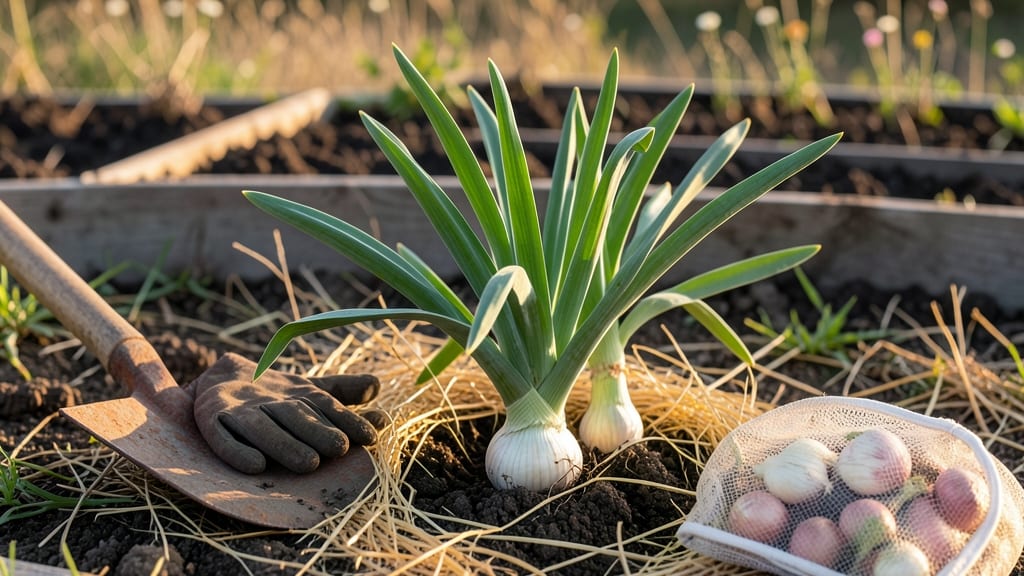
If you’ve ever wondered when to plant garlic in Zone 8, timing is everything—and getting it wrong can mean the difference between a bumper crop of plump bulbs and a disappointing harvest.
The secret isn’t just about the calendar; it’s about understanding your local microclimate and preparing the soil just right for those crisp fall days.
In Zone 8, where winters are mild and frost dates can be unpredictable, planting 🧄 garlic between late October and early November gives the cloves time to root before the ground cools.
This window ensures strong bulb development over the winter, even if temperatures hover just above freezing. Trust me, a little patience now pays off big when harvest season rolls around.
But here’s the kicker: not all garlic varieties thrive equally in Zone 8’s unique conditions. Hardnecks (like Rocambole) and softnecks (like Silverskin) have different needs, and choosing the right type can mean the difference between a 6-week harvest window or a 3-month extended feast.
I’ll walk you through the best varieties for your zone and how to adjust your planting schedule for maximum success.
Ready to grow garlic that’s bigger, stronger, and packed with flavor? Let’s dive into the exact steps—from soil prep to planting dates—that will transform your fall garden into next summer’s kitchen staple. No more guesswork, just proven techniques for Zone 8 gardeners like you.

Optimal fall planting dates for Zone 8 garlic (with moon phase tips)
In Zone 8, where winters are mild but still cool enough for garlic to overwinter, timing your fall planting is everything. Unlike colder zones, you don’t have to rush—too early, and your cloves may sprout and rot before winter sets in.
Too late, and they won’t establish strong roots before the ground freezes. The 6-week window between mid-October and mid-November is your sweet spot.
But here’s the secret: soil temperature matters more than air temperature. Aim to plant when soil temps hover around 50-60°F—warm enough to encourage root growth but cool enough to prevent premature sprouting.
In Zone 8, this usually aligns with late October to early November, but your exact date depends on your local microclimate.
Pro tip: Use a soil thermometer to check temps at a 4-inch depth. If it’s consistently above 60°F, wait a few days.
If it’s below 40°F, you’ve missed the window. Moon phases also play a role—planting during a waxing moon (when the moon is growing) can enhance root development, while a waning moon may favor leafy growth over bulb formation.
🌱 Zone 8 Garlic Planting Summary
| Stage | Action | Best Time |
|---|---|---|
| Soil Prep | Loosen soil, add compost | Late September |
| Planting | Break bulbs into cloves, plant pointy-end up | Mid-October to mid-November |
| Mulching | Cover with 2-3 inches of straw | After planting |
| Winter Care | Check mulch, avoid disturbing | December-February |
| Spring Growth | Remove mulch, fertilize lightly | March-April |
For early varieties, like Silverskin or Creole, you can plant as early as late September—they mature faster and tolerate slightly warmer soil. Late varieties, such as Artichoke or Porcelain, need the cooler temps of November to form large bulbs.
If you’re unsure, opt for a mix of both to spread out your harvest.
Another trick I swear by? Planting on a waxing gibbous moon (just before full moon) when the moon is in Earth or Taurus signs. This aligns with the moon’s gravitational pull to boost root development.
Check a lunar planting calendar for your exact dates—it’s worth the extra effort for those jumbo bulbs!
Don’t forget to break apart garlic bulbs into individual cloves right before planting. The larger the clove, the bigger the bulb you’ll grow. Plant them 2 inches deep, 4-6 inches apart, with 6-8 inches between rows. This spacing gives roots room to spread and prevents disease.
Once planted, mulch heavily with straw or leaves to insulate the soil and protect cloves from freezing. In Zone 8, where temps can dip but rarely stay frozen long, this layer is your best friend. Just avoid piling mulch against the stems—keep it 2 inches away to prevent rot.
Finally, mark your planting spots! In Zone 8’s mild winters, garlic can poke through the soil as early as February, and you’ll want to avoid accidentally digging up your crop when prepping for spring planting. A simple wooden stake or flag does the trick.
With the right timing and a little lunar magic, your Zone 8 garlic will reward you with bold, flavorful bulbs ready for harvest next June or July. The key? Plant in that 6-week fall window, monitor soil temps, and let nature do the rest. 🌱
How to adjust planting time for hardneck vs. softneck garlic in Zone 8
Not all garlic varieties thrive on the same schedule in Zone 8. Hardneck and softneck garlic have distinct planting windows, and getting them wrong can mean the difference between scape production and bolting for hardnecks—or longer storage and milder flavor for softnecks.
Let’s break down the timing differences and how to adapt to Zone 8’s mild winters.
For hardneck garlic, which produces scape shoots and is prized for its robust flavor, aim to plant 4-6 weeks before your first hard frost—typically mid-October to early November in Zone 8.
This variety needs cold vernalization (a period of winter chill) to form bulbs, but Zone 8’s mild winters mean you can sometimes push planting into early December for a spring harvest.
Softneck garlic, on the other hand, stores longer and has a milder taste. It’s more forgiving with timing, allowing you to plant as late as early December in Zone 8. However, planting too late can result in smaller bulbs or even no bulb formation at all. If you’re aiming for overwintering, prioritize softnecks—they handle Zone 8’s occasional light frosts better than hardnecks.
🌱 Comparison Table: Hardneck vs. Softneck Garlic Planting in Zone 8
| Factor | Hardneck Garlic | Softneck Garlic |
|---|---|---|
| Best Planting Window | Mid-October to early November | Late October to early December |
| Cold Requirement | Needs 4-6 weeks of chill | Tolerates mild winters |
| Harvest Time | June-July (next year) | July-August (next year) |
| Key Feature | Produces scapes; bold flavor | Longer storage; milder taste |
| Zone 8 Risk | Bolting if planted too late | Smaller bulbs if planted late |
If you’re experimenting with spring-planted garlic in Zone 8 (a trickier approach), opt for softneck varieties and plant in January or February. This method skips the winter chill but often yields smaller bulbs. For hardnecks, spring planting is risky—they may bolt prematurely without adequate cold exposure.
Pro tip: Use mulch heavily (straw or leaves) after planting to protect cloves from Zone 8’s occasional frosts while still allowing them to experience enough cold. Remove mulch in late winter to encourage regrowth. For hardnecks, watch for scape formation in spring—this confirms your timing was correct!
Remember, soil temperature (not air temperature) is your best guide. Use a soil thermometer to ensure cloves are planted when soil is 40-50°F. In Zone 8, this often aligns with late October to early November, but microclimates can shift timing by 2-3 weeks.