
Plants
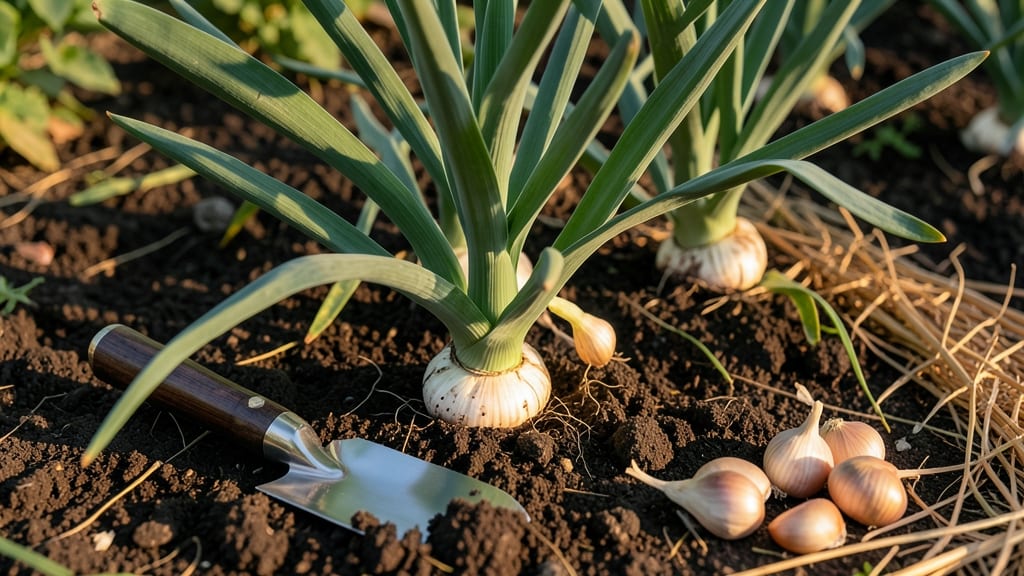
If you’ve ever planted garlic in Zone 5a only to watch it freeze before it even sprouts, you’re not alone. The key to growing bold, flavorful bulbs like 🧄 lies in planting at the perfect time—4–6 weeks before the first hard frost, typically between October and November.
Unlike spring planting, which often leads to smaller harvests, fall-planted garlic gets a head start on root growth before winter dormancy. This means bigger cloves and fewer disappointments when harvest season rolls around.
But timing isn’t just about the calendar—it’s about understanding your local microclimate, whether you’re in Chicago’s windy plains or Pittsburgh’s milder valleys.
In this guide, I’ll break down the exact window for Zone 5a, how to prep your soil for success, and which garlic varieties thrive in your chilly climate. No more guesswork—just plump, hardneck garlic that’ll make your kitchen the envy of the neighborhood.
Ready to turn your garlic dreams into reality? Let’s dive into the secrets that separate thriving harvests from frozen failures.

Optimal fall planting window for Zone 5a garlic (with exact dates)
In Zone 5a, garlic thrives when planted in fall—specifically, 4–6 weeks before your first hard frost. This timing lets cloves establish roots before winter dormancy, ensuring robust growth come spring.
For most of Zone 5a, that means mid-October to early November, but exact dates vary by location.
Your last frost date (typically November 15 in Zone 5a) is your anchor. Count backward: plant garlic 6 weeks before this date to give roots time to anchor.
For example, if your frost hits November 15, aim for early October planting. Adjust 1–2 weeks earlier if your winters arrive early or later for milder microclimates.
Soil temperature is your second clue. Garlic cloves need soil at 40–50°F (4–10°C) to sprout successfully. Use a soil thermometer to confirm—plant when temps consistently hit this range. In Zone 5a, this usually aligns with late September to early November, depending on elevation and local weather patterns.
Hardneck varieties (like 'Music' or 'German White') handle cold better than softnecks, making them ideal for Zone 5a. Plant them slightly deeper (2 inches) to protect against frost heaving, while softnecks (e.g., 'Silverskin') can go 1–1.5 inches deep.
Both benefit from a 2–3 inch layer of mulch after planting to insulate roots.
Regional tweaks matter! In Chicago, plant by October 15 to avoid early freezes, while Pittsburgh gardeners can extend until November 1 due to slightly later frosts. Check your local USDA frost maps or ask nearby gardeners for their tried-and-true dates.
Zone 5a Garlic Planting Timeline
| Task | Zone 5a Window | Soil Temp | Notes |
|---|---|---|---|
| Choose cloves | Late September | 50–60°F | Use large, firm cloves |
| Plant hardnecks | Mid-October | 40–50°F | 6 weeks before frost |
| Plant softnecks | Early November | 35–45°F | Later frost tolerance |
| Mulch heavily | After planting | N/A | 2–3" straw/leaves |
| Spring care | March–April | 40°F+ | Remove mulch, fertilize |
⏰ Pro Tip: Mark your planting date on a garden calendar to track progress!
Spring planting is possible in Zone 5a, but results are 50% smaller bulbs. If you miss fall, plant in early spring (March) when soil reaches 40°F, but expect shorter harvests. Prioritize fall for maximum bulb size—this is where Zone 5a gardeners shine!
Missed the fall window? Don’t panic! Softneck varieties like 'Artichoke' can tolerate slightly later plantings (even December in mild winters), though growth will be slower. Hardnecks planted in spring may bolt early, producing scapes (edible shoots) but smaller bulbs.
Test your soil’s drainage before planting. Garlic hates soggy roots—amend heavy clay with compost to prevent rot. A quick check: Dig a 6-inch hole, fill with water, and time how long it drains. If it takes more than 2 hours, improve drainage or choose raised beds.
🌱 Key Takeaway: In Zone 5a, fall planting = bigger bulbs. Aim for mid-October to early November, adjust for your frost date, and mulch well. Skip spring planting unless you’re okay with smaller harvests!
Optimal fall planting window for Zone 5a garlic (with exact dates)
Zone 5a’s short growing season means timing garlic correctly is everything. Plant too early, and frost will damage tender cloves; too late, and your bulbs won’t mature.
The sweet spot is 4–6 weeks before the first hard frost, typically mid-October to early November in most of Zone 5a. This gives roots time to establish before winter dormancy.
For Zone 5a’s northern edge (e.g., Chicago, IL), aim for October 15–30—soil temps should hover around 40–50°F. In southern Zone 5a (e.g., Pittsburgh, PA), you can push to early November, but avoid planting after November 10 to prevent frost-heaving.
Here’s the Zone 5a garlic planting timeline broken down for clarity:
| Stage | Action | Zone 5a Dates |
|---|---|---|
| Soil Prep | Test pH (6.0–7.0), add compost | September 1–15 |
| Planting Window | Plant cloves 2" deep, 4–6" apart | October 15–November 10 |
| First Frost | Cover with mulch (4–6") | November 15–December 1 |
| Spring Growth | Remove mulch, fertilize lightly | April–May |
| Harvest Ready | Lower leaves brown, bulbs firm | July 15–August 15 |
Hardneck varieties (like ‘Music’ or ‘German White’) need cold exposure to form bulbs, while softnecks (like ‘Artichoke’) tolerate milder winters. Soil temps below 40°F signal it’s time to mulch—use straw or leaves to insulate cloves through winter.
Pro tip: Check your local frost dates (USDA Plant Hardiness Zone Map) and adjust by 2–3 weeks if your area runs early or late. For example, Buffalo, NY often gets frost by November 5, so plant by October 1.
Spring planting is possible but risky—bulbs may bolt or lack flavor. If you miss fall, try early spring (March), but expect smaller yields. Timing is everything for garlic in Zone 5a! 🌱