
Plants
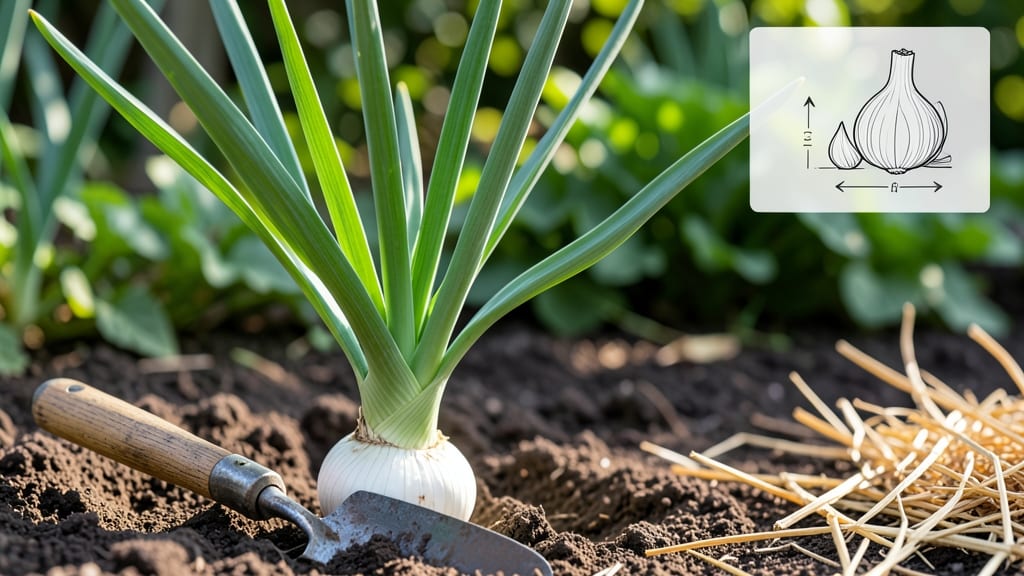
If you're planting garlic in Zone 4, timing is everything—and getting it wrong can mean the difference between bold, flavorful bulbs and disappointing harvests.
The key window for planting 🧄 garlic in Zone 4 is short but crucial, typically between October and November, when soil temperatures dip but haven’t yet frozen solid.
Why does this matter? Garlic thrives in cold soil, and planting too early exposes it to rot, while waiting too long risks stunted growth before winter sets in.
I’ll break down the exact conditions—like soil temps between 35–45°F—and how to adjust for Zone 4’s unpredictable frost dates, whether you’re in northern Minnesota or upstate New York.
You’ll also discover how to prepare your garden for success, from choosing the right varieties (like hardneck Rocambole) to using mulch or frost blankets to protect your cloves. Let’s make sure your garlic gets the perfect start for a July–August harvest that’ll impress even the pickiest chefs.
Ready to grow garlic that’s bigger, stronger, and packed with flavor? The secrets are simpler than you think—and they all begin with planting at the right time.

Zone 4 garlic planting timeline: exact months and soil conditions
In Zone 4, where winters can be brutal and frost arrives early, timing your garlic planting is everything. The ideal window is a tight 6-week span from mid-October to early November, when soil temperatures drop to 35–45°F.
This cold period triggers bulb formation while protecting cloves from extreme freezes. Think of it as a race against the clock—plant too soon, and your cloves may rot; too late, and they won’t establish roots before winter dormancy sets in.
Your last frost date (typically around May 15 in Zone 4) isn’t the focus here—garlic thrives because of the cold. The key is planting 4–6 weeks before the ground freezes solid.
For example, if your first hard frost hits October 1, aim to plant by September 15 at the latest. Northern Zone 4 areas (like Minnesota or Maine) may need to start earlier, while southern edges (like northern Illinois) can extend into early November.
Before you plant, prepare your soil like a pro. Garlic craves well-draining, slightly acidic soil (pH 6.0–7.0). Work in 2–3 inches of compost and avoid fresh manure—it can burn cloves. A raised bed is ideal if your native soil is heavy clay or waterlogged.
Test your soil’s drainage by digging a 6-inch hole: if water pools after 24 hours, amend with sand or peat moss.
🌱 Zone 4 Garlic Planting Summary
| Stage | Action | Notes |
|---|---|---|
| Soil Prep | Amend with compost; test pH | Avoid fresh manure |
| Planting Window | Mid-October to early November | 4–6 weeks before freeze |
| Depth | 2 inches deep, pointy end up | Spacing: 4–6 inches apart |
| Mulching | 4–6 inches of straw | Protects from heaving |
| Soil Temp | 35–45°F | Use a soil thermometer |
📅 Pro Tip: Plant Rocambole or Silverskin varieties—they handle Zone 4 winters best!
Don’t let unpredictable Zone 4 weather throw you off. If temperatures plummet unexpectedly, cover newly planted cloves with a thin layer of straw (2–3 inches) to insulate them. For extra security, use frost blankets on the coldest nights, especially if your area experiences black frost (temperatures below -6°C/21°F).
Remember, garlic needs cold stratification—the chill helps break dormancy and ensures robust bulbs next summer.
One common mistake? Planting softneck garlic (like Silverskin) in Zone 4. These varieties struggle with our harsh winters and often rot.
Instead, opt for hardneck types like German Red or Music, which thrive in cold climates and produce scape stems (those curly shoots you can eat or remove to boost bulb size). These varieties also store longer, making them perfect for Zone 4’s short growing season.
After planting, mark your rows with stakes or flags—Zone 4’s snow cover can erase your garden layout by spring. This simple step saves you from accidentally tilling up your garlic in early spring.
Once the ground freezes, your garlic is dormant but not dead. The roots will stay alive under the snow, ready to resume growth in spring when temperatures rise above 40°F.
By mid-spring, you’ll see green shoots pushing through the soil—a sure sign your garlic is off to a great start. This is when you can remove mulch (if it’s still in place) and add a light layer of compost around the base.
But here’s the kicker: don’t fertilize yet. Garlic doesn’t need extra nutrients until June, when the bulbs begin to swell. Over-fertilizing too early can lead to leafy growth at the expense of bulb size.
For maximum yield, aim to harvest your garlic in mid-to-late July of the following year. Look for lower leaves turning brown and bulbs that feel firm when squeezed. If you miss this window, your garlic may split or sprout prematurely.
But with the right timing now, you’ll be rewarded with bold, flavorful bulbs that’ll make your neighbors green with envy.
🌿 Key Takeaway: Zone 4 garlic success boils down to one rule: plant in October–November, when soil temps hit 35–45°F, and use hardneck varieties with proper mulching. Follow this timeline, and you’ll turn your garden into a garlic power
Zone 4 garlic planting timeline: exact months and soil conditions
Planting garlic in Zone 4 requires precision—your 6-week window between October and November is the golden ticket to robust bulbs. This schedule aligns with soil temperatures between 35–45°F, which triggers garlic’s cold-hardiness and prevents rot. Miss this window, and you risk stunted growth or frost damage.
Why does this matter? Garlic needs 4–6 weeks before the ground freezes solid to establish roots. In Zone 4, that means planting 4–6 weeks before your first frost date—typically early October in northern areas (like Duluth, MN) and mid-November in southern regions (like Pittsburgh, PA).
Here’s the critical timeline for Zone 4 gardeners: October 1–15: Northern Zone 4 (soil temps drop faster) October 15–31: Central Zone 4 (balance of time and cold) November 1–15: Southern Zone 4 (later frost dates)
| Stage | Action | Soil Temp | Zone 4 Notes |
|---|---|---|---|
| Prep Soil | Loosen soil, add compost | 50–60°F | Test pH (6.0–7.0) |
| Plant Cloves | 2" deep, 4–6" apart | 35–45°F | Use hardneck varieties |
| Mulch | 4–6" straw or leaves | Below 32°F | Prevents heaving |
| Winter Dormancy | No watering | Below freezing | Roots stay active |
Pro tip: Hardneck varieties (like Rocambole or Silverskin) thrive in Zone 4’s cold. Plant them pointy-side up, 2" deep, and space cloves 4–6 inches apart for optimal airflow. Avoid softneck varieties—they’re better suited for warmer climates.
For soil prep, work in compost or aged manure to improve drainage, and avoid fresh manure (it burns garlic roots). If your soil is heavy clay, mix in sand or perlite to prevent waterlogging during Zone 4’s wet springs.
Mulch with straw or leaves after planting to insulate bulbs and protect against temperature swings.
Remember: Timing beats perfection. Even if you plant a week early or late, your garlic can still succeed with proper mulching and variety selection. The key is consistency—stick to this schedule, and you’ll harvest bold, flavorful bulbs by July or August.