
Companion Plants
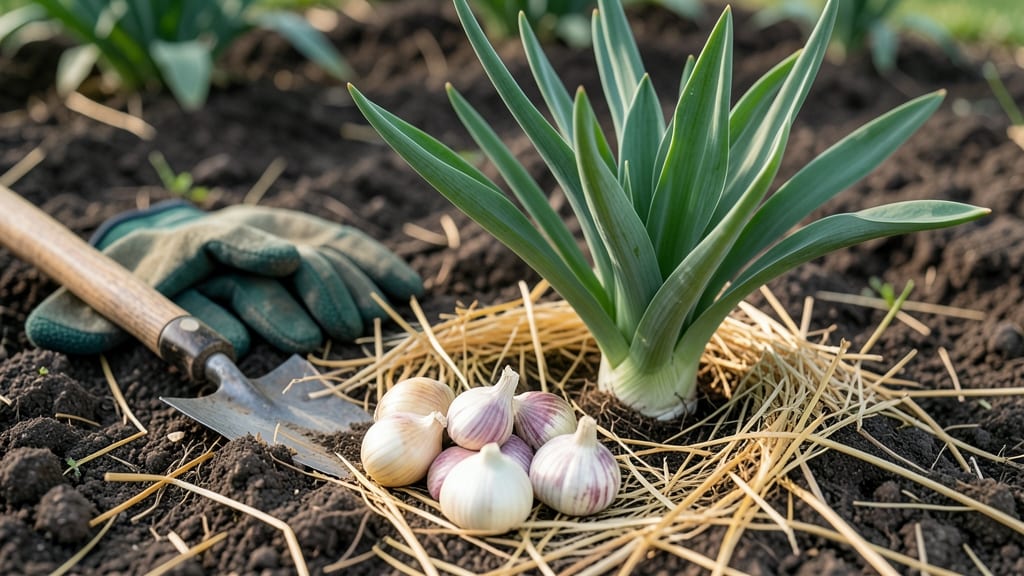
Timing your 🧄 garlic planting in Western Pennsylvania can mean the difference between a bumper crop and wasted effort—especially when cold winters and variable microclimates throw off even the best-laid plans.
If you’ve ever planted garlic only to see it heave out of frozen soil or bolt in early spring, you know how frustrating it can be. The key lies in understanding your zone 6a climate and planting 4-6 weeks before the ground freezes—typically between October and November.
Hardneck varieties, which thrive in colder climates, are your best bet for Western PA’s winters. But even with the right type, soil prep and mulching strategies make all the difference in protecting those cloves from heaving and ensuring strong regrowth when spring arrives.
Let’s break down exactly when to plant, how to prep your soil, and which microclimate tweaks will help you grow the biggest, hardiest garlic bulbs your region has to offer.
Optimal planting windows for hardneck garlic in Western PA’s zones 5-6
Western PA’s USDA Zones 5-6 demand precise timing for hardneck garlic, which needs 4-6 weeks before winter dormancy to establish roots. Miss this window, and you risk poor bulb formation or winter kill.
The best planting window spans from mid-October to early November, but local microclimates can shift this by 2-3 weeks.
For Pittsburgh and surrounding areas, aim to plant between October 15-30 when soil temps drop to 50°F (10°C). In Erie’s cooler climate, push planting to late September to mid-October to avoid early freezes.
Higher elevations like the Allegheny Mountains may need planting as early as September 15 for safety.
Spring planting is possible but risky—March-April works only if you harvest green garlic (shoots) rather than mature bulbs. Fall-planted garlic yields larger bulbs because it undergoes vernalization (cold treatment) that triggers bulb development.
Use your last average frost date as a guide: plant 6 weeks before the first hard freeze (typically October 15 in most of Western PA). Check local Almanac frost charts for your exact location—even neighborhoods can vary by a week!
| Region | Best Planting Window | Soil Temp Goal | Key Consideration |
|---|---|---|---|
| Pittsburgh & Southwestern PA | October 15–30 | 50–60°F (10–15°C) | Urban heat islands delay frost; plant slightly later |
| Erie & Northwestern PA | September 25–October 15 | 45–55°F (7–13°C) | Cooler climate; earlier planting prevents winter heaving |
| Allegheny Mountains (1,000+ ft) | September 15–25 | 40–50°F (4–10°C) | Higher elevation = earlier frost; plant ASAP |
| Valley Regions (e.g., Johnstown) | October 1–15 | 50–60°F (10–15°C) | Moderate climate; standard timing applies |
🌱 Pro Tip: Test soil temps with a soil thermometer—garlic roots need 40–60°F (4–15°C) to establish.
Hardneck varieties like ‘German White’ or ‘Music’ thrive in Western PA’s climate, but avoid softneck types (e.g., ‘Silverskin’)—they struggle with our cold winters. Plant cloves individually, pointy-end up, 2 inches deep, and 4 inches apart for optimal spacing.
If you’re unsure about your last frost date, use mid-October as a safe default. Overwintering garlic needs 40–60 days below freezing to form bulbs, so planting too late (after November 15) risks stunted growth. Track your garden’s chilling hours with a weather station for precision.
For container gardening, plant in October and use heavy mulch (straw or leaves) to insulate roots. Containers freeze faster than ground soil, so monitor temps closely. Elevate pots to prevent waterlogging, which can rot garlic over winter.
Remember: Garlic planted in fall yields 3x larger bulbs than spring-planted garlic. The key is cold exposure—Western PA’s winters provide this naturally, but timing ensures your garlic doesn’t bolt (flower prematurely) or heave (push out of soil) due to freeze-thaw cycles.
Start with high-quality, disease-free cloves from local nurseries like Burpee or Johnny’s Selected Seeds. Store cloves in a cool, dark place (like a paper bag in the fridge) until planting day to maintain viability.
How Western PA’s microclimates affect garlic planting success
Western Pennsylvania’s diverse geography—from Pittsburgh’s urban heat islands to the chilly Allegheny Mountains—means your garlic’s planting window can shift by 2-3 weeks depending on location. These microclimates create frost pockets and elevation-driven temperature swings that demand precise timing adjustments.
For example, high-elevation areas like Cook Forest may need garlic in the ground by mid-October, while Erie’s lakeshore might safely wait until late November.
Urban gardeners in Pittsburgh or Philadelphia suburbs often experience warmer microclimates due to concrete and buildings retaining heat. This can push planting dates 1-2 weeks later than rural areas just 10 miles away.
Always check your local frost dates—aim to plant 4-6 weeks before the first hard freeze (25°F threshold).
Wind exposure also plays a critical role. Open fields in Northwest PA (e.g., near Venango County) can create cold air sinks that freeze soil faster.
Plant in windbreaks or raised beds to protect garlic cloves from winter desiccation. Conversely, sheltered valleys like those near Ohiopyle may allow slightly later planting.
⚠️ Microclimate Mistakes to Avoid
Planting too early in cold pockets risks rot from excess moisture before the ground freezes. Planting too late in heat islands may leave garlic vulnerable to winter heaving when soil freezes late. Always test your soil’s drainage—garlic hates soggy winters.
Elevation changes of just 500 feet can shift planting dates by 10 days. Use this rule of thumb: Add 1 day of planting time for every 100 feet of elevation gain.
For instance, if your neighbor in Zone 6a plants on October 20th, you might need to plant by October 10th if you’re 1,000 feet higher in the Laurel Highlands.
For container gardening in microclimates, choose black plastic pots—they absorb heat and extend the planting window by 7-10 days compared to white containers. Place pots near south-facing walls to maximize warmth. Just ensure pots have drainage holes to prevent winter waterlogging.
Pro tip: Use a soil thermometer to confirm your planting zone’s readiness. Garlic cloves need soil temps between 40°F and 50°F—any colder, and they’ll rot; any warmer, and they’ll sprout too early.
In Western PA’s Zone 6a, this typically means mid-October to early November, but your exact microclimate may vary.