
Plants
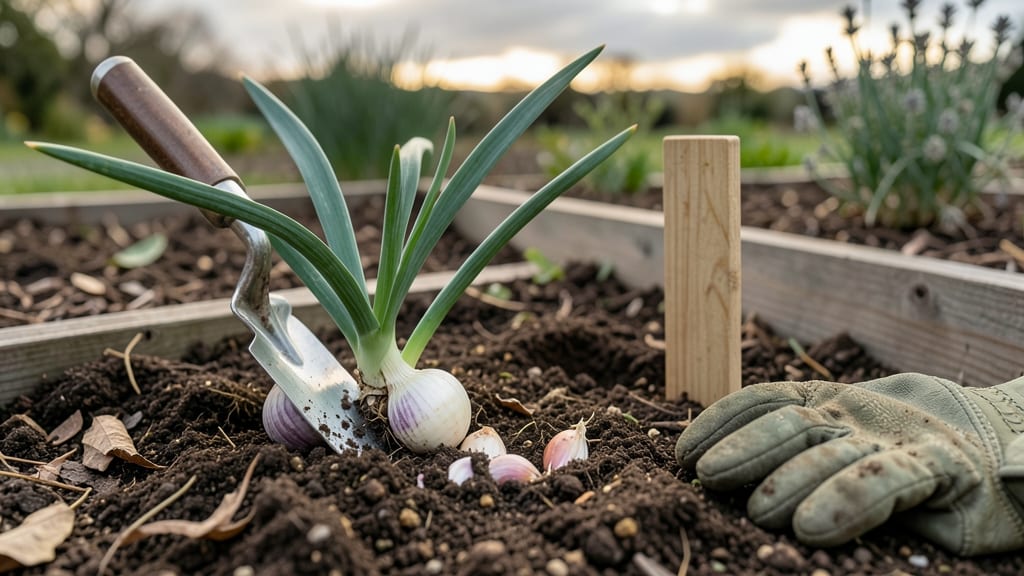
Planting garlic in the spring might seem like a last-minute idea, but timing this 🧄 powerhouse right can actually give you a bountiful harvest—even if you missed the fall window.
Most gardeners assume spring planting is too late, but with the right approach, you can still grow robust bulbs that rival those planted in autumn.
The key is understanding your local climate and soil conditions, which directly impact when to plant for optimal growth. Whether you're in USDA Zone 6a or further south, knowing the last frost date and soil temperature is the game-changer.
I’ll break down exactly when to get those cloves in the ground for the best results, so you don’t end up with stunted or weak plants.
You’ll also learn how to prep your garden bed the right way—because even the best timing won’t save you if your soil isn’t ready. From spacing cloves correctly to avoiding common pitfalls like planting too deep or too shallow, these tips ensure your garlic thrives from the start.
Let’s get those bulbs growing strong!
By the end, you’ll know not just when to plant, but how to set yourself up for a harvest that’ll make your kitchen—and your meals—unbeatable. Ready to turn your spring garden into a garlic goldmine?
Spring planting timeline for garlic: best months by climate Zone
Spring garlic planting is tricky because most gardeners focus on fall planting—but with the right timing, spring-planted garlic can still deliver a decent harvest. The key is understanding your USDA climate zone and soil temperatures.
In colder regions (zones 3-5), aim for early spring planting (4-6 weeks before last frost), while warmer zones (6-10) can plant slightly later.
Garlic thrives when soil temperatures hover between 40°F and 50°F. If you plant too early, cloves may rot in cold soil; too late, and bulbs won’t mature before summer heat. For Zone 6a (like my garden), I plant in late March to early April—just as daffodils bloom.
Here’s the catch: spring-planted garlic often yields smaller bulbs than fall-planted varieties. That’s because fall planting gives roots more time to establish before winter.
But if you missed the fall window, spring planting is your next best option—just choose hardneck varieties like Silverskin or Creole, which tolerate cooler temps better.
| Climate Zone | Ideal Planting Window | Soil Temp Requirement | Best Varieties |
|---|---|---|---|
| Zones 3-5 (Cold) | Late March–Early April | 40°F–50°F | Hardneck (e.g., German White) |
| Zones 6-7 (Temperate) | Mid-April–Early May | 45°F–55°F | Softneck (e.g., Artichoke) |
| Zones 8-10 (Warm) | Late February–March | 50°F–60°F | Elephant Garlic (e.g., Inchelium Red) |
In Southern climates (zones 8-10), spring planting is easier because winters are mild. I’ve had success planting as early as late February in Zone 9, but avoid planting after mid-April—summer heat stresses garlic bulbs.
For Northern gardens (zones 3-5), wait until the ground thaws and temperatures stabilize above 40°F.
Pro tip: Use a soil thermometer to check depth (2 inches down). If temps are below 40°F, wait another week. Cold soil slows root growth, leading to smaller, weaker bulbs. I once planted too early in Zone 5, and my cloves rotted—lesson learned!
Another critical factor is daylength. Garlic needs 12–16 hours of daylight to form bulbs. In short-day regions (zones 3-7), plant early to maximize daylight exposure. In long-day regions (zones 8-10), late spring planting works because days are already long.
For container gardening, spring planting follows the same rules but with one tweak: use larger pots (12+ inches deep) to prevent root binding. I’ve grown garlic in fabric grow bags with success, planting in March and harvesting by June—just ensure pots have drainage holes to avoid soggy roots.
If you’re in a transition zone (e.g., Zone 7b), split your planting: sow half in March and half in April to stagger harvests. This spreads out your workload and reduces pest pressure.
I’ve found that staggered planting also minimizes bolting (when garlic sends up a flower stalk instead of forming bulbs).
Remember, spring-planted garlic won’t store as long as fall-planted varieties, but it’s still a great fresh harvest for summer cooking. For best results, pair spring planting with organic matter-rich soil and consistent moisture.
With the right timing, you’ll enjoy plump cloves by late summer—just in time for grilling season! 🌱
How to revive fall-planted garlic in spring: step-by-step care guide
Spring is the perfect time to check on your fall-planted garlic and give it the care it needs to thrive. While garlic planted in fall typically yields larger bulbs, it still requires attention in spring to prevent disease and encourage strong growth.
The key is soil prep, proper watering, and avoiding common mistakes like over-fertilizing.
Start by assessing your garlic’s health—look for green shoots emerging from the soil. If your cloves are still dormant, don’t worry; they’ll wake up as temperatures rise. The goal now is to create an environment where your garlic can focus on bulb development rather than struggling through poor conditions.
- Test Soil pH: Aim for 6.0–7.0. Use a soil test kit and amend with lime or sulfur if needed.
- Remove Mulch: If you mulched in fall, pull it back to prevent rot and allow soil to warm.
- Add Compost: Mix in 2–3 inches of compost to enrich soil and retain moisture.
- Apply Light Fertilizer: Use a balanced 5-10-10 fertilizer at planting (1 tbsp per plant) to avoid nitrogen burn.
- Water Deeply: Soak soil to 6 inches deep every 7–10 days, focusing on the base of plants.
- Monitor for Pests: Watch for garlic moths or fungal diseases like white rot. Remove affected plants immediately.
One of the biggest mistakes gardeners make in spring is overwatering or fertilizing too heavily. Garlic doesn’t need much nitrogen—too much can lead to leafy growth at the expense of bulb size. Instead, focus on consistent moisture and well-draining soil to prevent rot.
If your garlic is already showing signs of stress—like yellowing leaves or soft bulbs—it may need a soil drench with compost tea to boost microbial activity. This natural remedy helps revive struggling plants without harsh chemicals.
By following these steps, your fall-planted garlic will have the best chance to mature into plump, flavorful bulbs ready for harvest in late spring or early summer. The effort now pays off with a higher yield and fewer pests or diseases later in the season.
Remember, garlic is a low-maintenance crop, but spring is the time to give it a little extra attention. With the right care, you’ll be rewarded with a harvest that’s the envy of your gardening neighbors! 🌱