
Plants
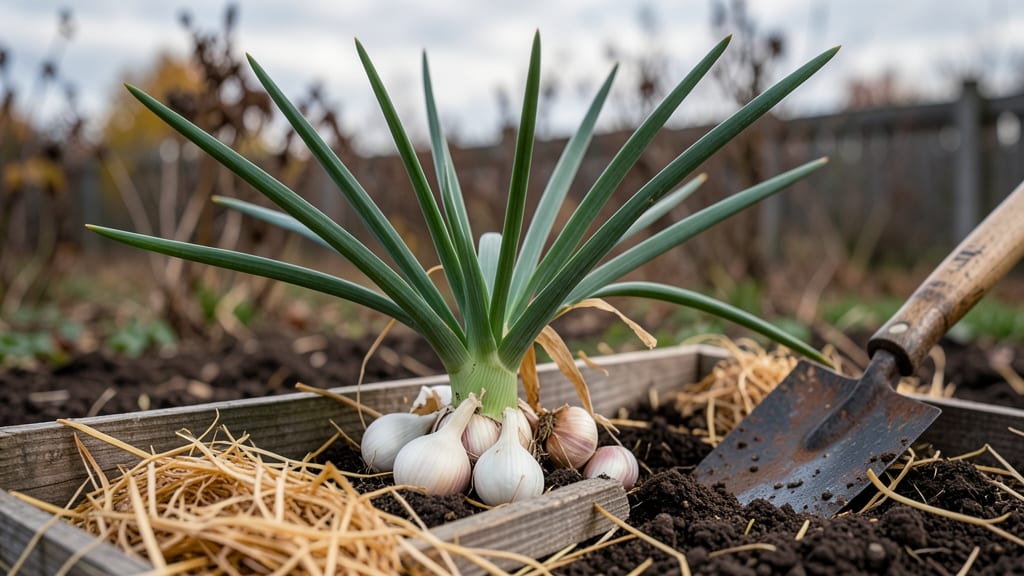
Timing your garlic planting in Colorado could mean the difference between a thriving crop and a failed harvest—especially when dealing with the state’s unpredictable fall weather. With USDA zones 5-7 and variable microclimates, getting those cloves in the ground at the right moment is critical for success.
Whether you're growing hardneck varieties for their bold flavor or softneck for storage, knowing when to plant ensures your 🧄 thrives through Colorado’s cold winters and delivers a bountiful harvest the following summer.
Most Colorado gardeners swear by planting in October or November, but the exact window depends on your elevation and last frost date. Planting too early risks bolting, while waiting too long can leave your garlic vulnerable to winter freeze-thaw cycles.
The key is to aim for 4-6 weeks before the ground freezes, giving your garlic enough time to establish roots before dormancy sets in. This timing isn’t just about the calendar—it’s about reading your soil and climate.
Hardneck garlic, the variety most Colorado growers prefer, thrives in the state’s colder zones and produces those prized scapes. But softneck varieties, while better for storage, need a slightly later start to avoid winter stress.
If you’re in Zone 5, you might plant as early as late September, while Zone 7 gardeners can wait until early December. The goal? A strong root system before the first hard freeze hits.
Don’t let Colorado’s variable weather fool you—with the right preparation, you can grow garlic that’s hardier than the Rocky Mountain winters themselves.
In this guide, I’ll break down the exact planting windows, soil prep tips, and variety recommendations to help you grow garlic that’s ready for harvest by July or August. Let’s get those cloves in the ground the right way.
Best planting dates for garlic in Colorado by hardiness Zone (5-7)
Colorado’s diverse hardiness zones (5-7) create unique challenges for garlic growers, but with the right timing, you can thrive. The key is planting 4-6 weeks before the ground freezes—typically between October and November—to ensure bulbs establish roots before winter sets in.
Hardneck varieties, like Rocky Mountain Green, dominate in colder zones, while softneck types, such as Silverskin, suit milder southern regions.
Soil temperature is your best guide: aim for 40-50°F at planting time. In Zone 5 (e.g., Denver, Fort Collins), this usually means starting by October 1, while Zone 7 (e.g., Pueblo, Colorado Springs) can wait until November 1.
Late planting risks weak roots, but early planting in warm soil can trigger bolting—when garlic flowers prematurely and produces poor bulbs.
Here’s a quick breakdown to help you choose the right window for your zone:
| Zone | Hardneck Garlic Planting Window | Softneck Garlic Planting Window | Key Considerations | Soil Prep Deadline |
|---|---|---|---|---|
| 5 (e.g., Denver, Fort Collins) | Oct 1 – Nov 15 | Oct 15 – Nov 30 | Hardneck preferred; mulch heavily for winter | Sept 15 |
| 6 (e.g., Colorado Springs, Boulder) | Oct 15 – Dec 1 | Nov 1 – Dec 15 | Both varieties work; avoid late Dec planting | Oct 1 |
| 7 (e.g., Pueblo, southern CO) | Nov 1 – Dec 1 | Nov 15 – Jan 15 | Softneck ideal; monitor for early spring warmth | Oct 15 |
For Zone 5 gardeners, October is critical—don’t wait too long, or garlic may not survive the harsh winters. In Zone 7, you have more flexibility, but planting after December 1 risks poor bulb development.
Always check your last frost date (typically mid-November in most of Colorado) and adjust accordingly.
Soil preparation is just as important as timing. Work in compost or aged manure by your soil prep deadline to enrich the soil, and choose a spot with full sun (6+ hours daily).
Avoid heavy clay soils, which can lead to rot. In high-altitude areas (e.g., above 7,000 feet), plant 2-3 weeks earlier to account for colder soil temperatures.
Once planted, mulch heavily with straw or leaves (4-6 inches) to insulate bulbs from freezing temperatures. This layer also suppresses weeds and retains moisture. In Zone 5, mulching can mean the difference between a thriving crop and frost damage.
Remove the mulch in early spring (March) to allow soil to warm and encourage growth.
Pro tip: Use a soil thermometer to confirm temperatures before planting. If the ground is still warm (above 50°F), wait a few weeks—your garlic will thank you with larger, healthier bulbs next summer.
Finally, remember that hardneck garlic is the star of Colorado’s colder zones. Its hardier nature and delicious flavor make it worth the effort, while softneck varieties are better suited for the warmer southern regions. Choose wisely, and you’ll be harvesting plump, flavorful bulbs by July or August.
Best planting dates for garlic in Colorado by hardiness Zone (5-7)
Colorado’s USDA zones 5-7 create distinct windows for planting garlic, where even a few weeks can make or break your harvest. Most gardeners aim to plant 4-6 weeks before the ground freezes, but exact timing depends on your elevation and last frost date.
In Zone 5, you’ll want to plant by mid-November, while Zone 7 gardeners can extend planting until early December. The goal? Establish roots before winter dormancy sets in.
Hardneck garlic, the preferred variety for Colorado’s colder zones, thrives when planted in October or early November. These varieties need cold winters to form bulbs, making them ideal for Zones 5-6.
Softneck garlic, better suited for Zone 7, can handle slightly later planting but risks winter stress if planted too early. Always check your local last frost date—Colorado’s can vary by 1-2 weeks depending on elevation.
Soil temperature is just as critical as calendar dates. Garlic cloves won’t sprout until soil temps drop below 50°F. Use a soil thermometer to confirm readiness—planting too early in warm soil can trigger bolting (premature flowering), ruining your crop.
In high-altitude areas like Denver or Boulder, aim for late September to early October for hardneck varieties.
| Zone | Hardneck Garlic Planting Window | Softneck Garlic Planting Window | Key Considerations | Soil Prep Deadline |
|---|---|---|---|---|
| 5 | Oct 1–Nov 15 | Nov 1–Dec 1 | Cold winters needed; avoid bolting | Sept 15 |
| 6 | Oct 15–Nov 30 | Nov 15–Dec 15 | Balanced cold/warm; monitor soil temps | Sept 30 |
| 7 | Nov 1–Dec 1 | Dec 1–Jan 15 | Warmer zone; prioritize softneck | Oct 15 |
Soil preparation is non-negotiable in Colorado’s dry climate. Aim to finish amending your soil with compost and organic matter by the soil prep deadline listed above. Garlic prefers well-draining soil with a pH of 6.0-7.0.
In Zone 5, where winters are harshest, add a 2-3 inch layer of mulch (straw or leaves) after planting to insulate bulbs and prevent freeze-thaw damage. This mulch also suppresses weeds and retains moisture during Colorado’s low-humidity winters.
Pro tip: If you’re in a high-altitude area (e.g., 6,000+ feet), plant slightly earlier than the zone guidelines suggest. Cooler temps at elevation can delay soil freezing, giving garlic more time to root.
Test your soil’s readiness by pressing your finger 2 inches deep—if it’s cool but workable, it’s time to plant. Remember, garlic planted in full sun (6+ hours daily) will yield larger bulbs and fewer pests.
Don’t let Colorado’s unpredictable weather derail your garlic crop. By following these zone-specific dates and soil prep tips, you’ll set your garlic up for a successful overwintering and a bountiful July harvest.
Next, we’ll tackle how to adjust for late planting or early freezes—because even the best-laid plans can go awry in the Rockies! 🌱