
Plants
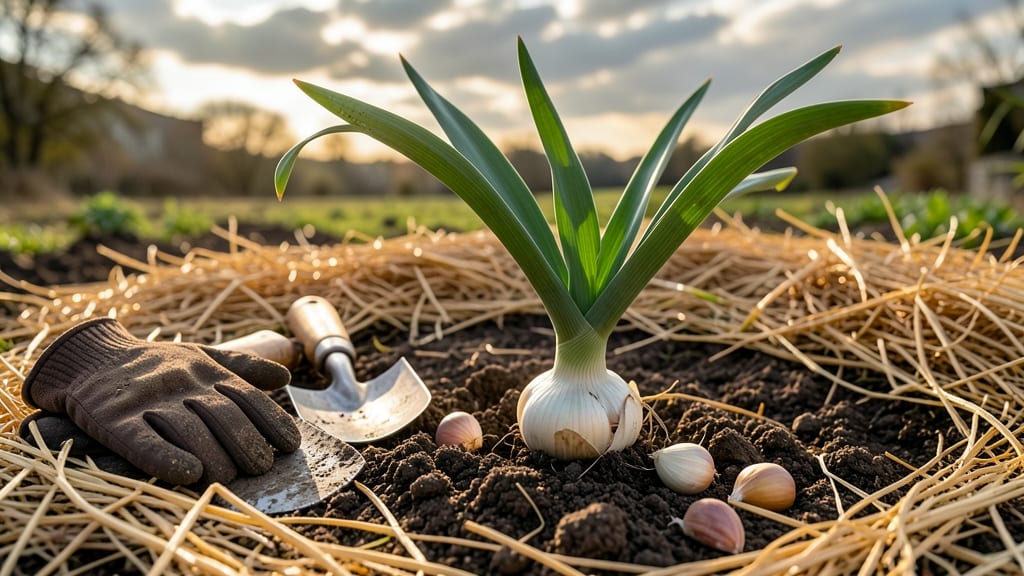
Timing garlic planting in Tennessee can make or break your harvest—plant too early or too late, and you might end up with weak bulbs or no crop at all.
The perfect window for planting garlic in TN is between October and November, when soil temps drop but frost hasn’t set in yet. This timing gives your 🧄 the ideal conditions to establish roots before winter dormancy kicks in.
Here’s the thing: hardneck and softneck varieties have different needs, and Tennessee’s USDA zones 6a-7b add another layer to the equation. Hardnecks, the popular choice for gardeners, need cold weather to form bulbs, while softnecks prefer milder winters.
Whether you’re in East Tennessee’s cooler mountains or Middle Tennessee’s warmer valleys, getting the timing right is the key to bigger, healthier garlic.
I’ve seen gardeners in Nashville and Chattanooga struggle when they plant too late, only to watch their garlic bolt or rot before harvest. The good news? With the right approach, you can avoid these mistakes and enjoy plump garlic bulbs by next summer.
Let’s break down the exact months you should plant in your specific region—and why a few weeks can make all the difference.
Ready to grow garlic like a pro? We’ll cover everything from soil prep to frost dates, so you can confidently plant your cloves and set yourself up for a bountiful harvest in June or July. No more guesswork—just proven strategies tailored to Tennessee’s climate.
Best months to plant garlic in Tennessee (hardneck vs softneck guide)
Tennessee’s USDA zones 6a-7b offer ideal conditions for growing garlic, but timing depends on whether you’re planting hardneck or softneck varieties. Hardnecks thrive in cooler months, while softnecks have more flexibility.
The key is planting 4-6 weeks before the ground freezes—typically between mid-October and November for most of the state.
For hardneck garlic, which produces scapes, aim for October planting in eastern Tennessee and early November in the warmer western regions. Softnecks, like Silverskin garlic, can handle slightly later planting, even into early December, but avoid planting after the first frost.
Here’s the breakdown of ideal planting windows for both types, including frost considerations and soil temperature guidelines:
| Garlic Type | Best Planting Window | Soil Temperature | Frost Consideration | Notes |
|---|---|---|---|---|
| Hardneck (e.g., Rocky Mountain, German Red) | Mid-October to November | 40-50°F (4-10°C) | Plant 4-6 weeks before first frost | Best for cooler climates; produces scapes |
| Softneck (e.g., Silverskin, Artichoke) | Late October to early December | 45-55°F (7-13°C) | Can tolerate slightly warmer soil | Better for warmer regions; stores longer |
In eastern Tennessee, where winters are cooler, hardnecks perform best when planted in October. The Appalachian Mountains can see earlier frosts, so don’t wait past early November. Meanwhile, middle Tennessee, including Nashville, can push planting into late November for softnecks, thanks to its slightly milder winters.
For western Tennessee, like Memphis, aim for October planting for hardnecks or early November for softnecks. The warmer climate means soil stays workable longer, but avoid planting after mid-November to ensure bulbs have time to establish roots before winter.
Use a soil thermometer to confirm readiness—ideal soil temps are 40-50°F (4-10°C) for hardnecks and 45-55°F (7-13°C) for softnecks. If temps drop below freezing before planting, wait until soil warms again in spring, though yields may be smaller.
Pro tip: Break apart garlic bulbs into individual cloves and plant the flat side down, pointy side up, about 2 inches deep. Space cloves 4-6 inches apart in rows 12 inches apart for optimal airflow and bulb development.
🌱
Best months to plant garlic in Tennessee (hardneck vs softneck guide)
Tennessee’s USDA zones 6a-7b give us a narrow but critical window for planting garlic—typically between mid-October and November. This timing ensures your cloves establish roots before winter dormancy, while still allowing enough cold exposure for hardnecks to form bulbs.
I’ve found that planting in late October gives the best balance between root development and frost protection across most of the state.
The key difference between hardneck and softneck varieties is their cold requirements. Hardnecks, like ‘German Red’ or ‘Silverskin’, need 40-60 days of cold temps below 40°F to form scapes and bulbs.
Softnecks, such as ‘Artichoke’, are more flexible and can handle milder winters, making them a better choice for West Tennessee’s warmer zones.
Here’s the breakdown I use for my own garden in Middle Tennessee: hardnecks go in by October 31st, while softnecks can stretch until November 15th. The difference? Hardnecks need that cold snap to trigger bulb formation, while softnecks will still produce decent-sized bulbs with less chill.
| Variety Type | Ideal Planting Month | Cold Requirement | Best For TN Region |
|---|---|---|---|
| Hardneck | October 15–31 | 40–60 days below 40°F | East & Middle TN |
| Softneck | November 1–15 | 20–40 days below 40°F | West & Urban TN |
One mistake I see often is planting hardnecks too late—after November 15th. The cloves won’t get enough cold exposure, and you’ll end up with small, weak bulbs or even no harvest at all. For softnecks, planting after December 1st risks the cloves rotting before spring growth.
Always check your local last frost date—in East Tennessee, this can be as early as October 20th, while West Tennessee might hold off until November 10th.
Pro tip: Use a soil thermometer to confirm temps are consistently below 60°F before planting. I’ve had years where early November was still too warm, and my garlic struggled to establish. Aim for 50–55°F soil temps for the best start, especially in West Tennessee’s warmer microclimates.
If you’re unsure about your region’s exact timing, err on the earlier side—October is always safer than November. Hardnecks planted in October will give you larger bulbs and scapes by next summer, while softnecks can still perform well if planted by mid-November.
The goal is to give your garlic enough time to root before the ground freezes solid.