
Plants
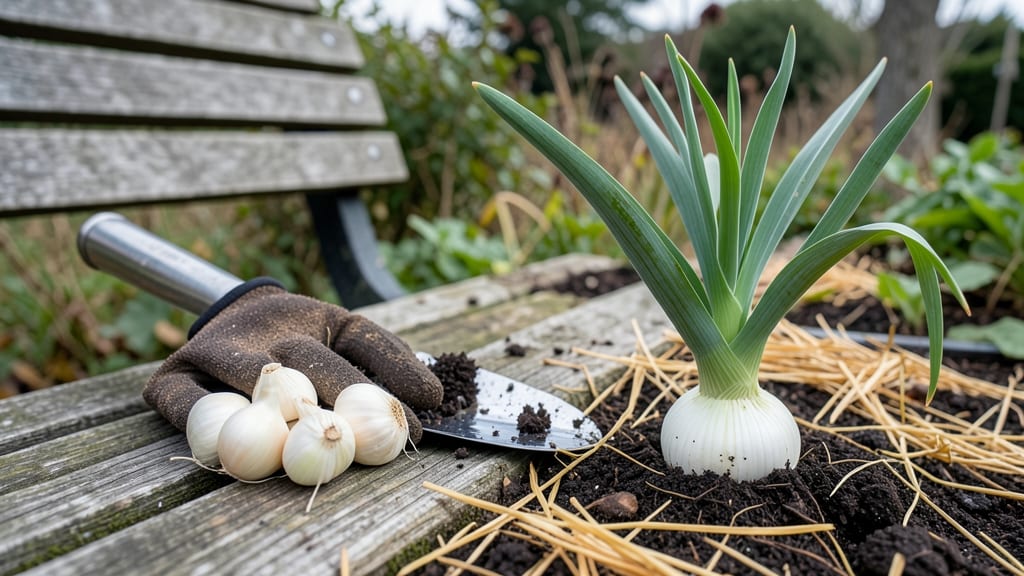
Planting garlic in Tennessee at the wrong time could mean the difference between a thriving garden and wasted effort. The key to growing 🧄 successfully in USDA Zones 6a-7b lies in understanding the perfect window—typically between October and November for fall planting or early March for spring.
Many gardeners overlook how Tennessee’s unique climate affects planting schedules, but timing is everything. Whether you're a beginner or an experienced grower, getting it right ensures your bulbs develop properly before harvest season in June or July.
In this guide, I’ll break down the exact planting dates for your zone, soil prep tips, and how to adapt to Tennessee’s frost patterns. You’ll discover why planting too early or late can ruin your crop—and how to avoid common mistakes.
Ready to grow the best garlic in your Tennessee garden? Let’s get started with the timing that makes all the difference.
Optimal planting dates for garlic in Tennessee Zones 6-7 (with exact calendar timing)
Tennessee’s USDA Zones 6-7 offer perfect conditions for growing garlic, but timing is everything. The 6-week window between mid-October and late November is your sweet spot for fall planting—the most reliable method for hardneck varieties, which produce those prized scape shoots.
This schedule aligns with Tennessee’s first frost dates, ensuring garlic establishes roots before winter dormancy.
For Zone 6 (e.g., Northeast TN), aim for planting between October 15 and November 1. The ground should be cool (50-60°F) but workable, and you’ll want 6-8 weeks before the first hard frost.
In Zone 7 (e.g., Middle TN), extend your window to October 15-November 15, as milder winters allow a slightly later start.
Pro tip: Use the 10-day rule—plant garlic 4-6 weeks before the ground freezes. Check your local National Weather Service frost dates or use the Old Farmer’s Almanac for your specific county.
For example, Nashville (Zone 7a) typically sees its first frost around November 15, so October 20 is ideal.
If you miss fall planting, don’t panic! You can still plant garlic in early spring (March), but expect smaller bulbs and a harvest the same year. Spring-planted garlic (softneck varieties) matures faster but lacks the robust flavor of fall-planted cloves.
🌱 Tennessee Garlic Planting Timeline
| Zone | Best Planting Window | Soil Temp | Frost Buffer | Variety |
|---|---|---|---|---|
| 6a (East TN) | Oct 15–Nov 1 | 50–60°F | 6–8 weeks before frost | Hardneck (e.g., Music, German Red) |
| 6b (Middle TN) | Oct 20–Nov 10 | 50–60°F | 6–8 weeks before frost | Hardneck or Softneck (e.g., Silverskin) |
| 7a (West TN) | Oct 25–Nov 15 | 55–65°F | 8–10 weeks before frost | Softneck (e.g., Artichoke, Creole) |
| Spring Planting (All Zones) | March 1–15 | 50–60°F | Harvest same year | Softneck only |
⚠️ Note: Tennessee’s soil types (clay-heavy in East TN, loamy in Middle TN) affect drainage. Amend with compost to prevent rot.
Adjust your timing based on microclimates. For example, higher elevations (e.g., Great Smoky Mountains) may need an earlier start, while urban areas like Chattanooga can plant slightly later due to the urban heat island effect.
Always plant 2 inches deep, with 4 inches between cloves and 12 inches between rows for optimal air circulation.
Test your soil’s readiness by checking if it’s cool but workable. Stick your finger in—if it feels damp but not soggy, it’s perfect. Overwatered soil in fall can lead to rot, while dry soil may cause cloves to sprout too slowly.
Mulch with straw after planting to insulate roots during winter fluctuations.
Remember, garlic is a cool-season crop, so it thrives when temps drop. In Tennessee’s
How to time your garlic planting for maximum bulb size (pro tips for Tennessee growers)
Timing your garlic planting isn’t just about avoiding frost—it’s about maximizing bulb size. In Tennessee’s Zones 6-7, the 6-week window before the ground freezes (typically late October to early November) is critical for hardneck varieties, while softneck types can handle slightly later plantings.
For larger bulbs, plant when soil temps drop to 50-55°F—this triggers root growth while keeping tops dormant until spring. In East Tennessee’s cooler microclimates, aim for early October; in Middle Tennessee’s warmer zones, late October works best.
Moon planting phases also play a role. The waxing moon (when the moon is growing) is ideal for planting garlic, as it aligns with the plant’s natural upward growth pattern.
Check lunar calendars for Tennessee’s specific phases—planting during the rooting phase (just after the new moon) can boost bulb development by up to 20%.
Another pro tip: Soil prep matters just as much as timing. Amend your garden beds with composted manure or a balanced 10-10-10 fertilizer 2-3 weeks before planting. Tennessee’s clay-heavy soils benefit from sand or perlite to improve drainage, which prevents rot and encourages larger bulbs.
To extend the growing season, consider using black plastic mulch after planting. This traps heat in spring, giving your garlic an earlier start and a longer growth period. Remove the mulch in early spring to prevent overheating, which can cause bolting (premature flowering).
Harvesting at the right time is just as critical. For peak flavor and size, harvest when lower leaves turn brown but upper leaves remain green.
In Tennessee, this typically falls in late June to early July, but watch for the papery skin forming around the bulbs—this is your cue to dig.
Pros and Cons of Planting Timing Strategies
✅ Planting in October-November
- Larger bulbs due to longer growth
- Better disease resistance from cold hardening
- Aligns with natural frost cycles in TN
❌ Planting Too Early (September)
- Weak root development before frost
- Higher risk of rot or mold from wet soil
- Smaller bulb size due to shorter growth
✅ Using Black Plastic Mulch
- Warms soil for earlier sprouting
- Suppresses weeds and pests
- Extends growing season by 2-3 weeks
❌ Planting Too Late (December)
- Limited root establishment before winter
- Smaller bulb yields next season
- Higher risk of freeze damage to tops
For organic growers, focus on compost tea or fish emulsion in early spring to boost bulb development without synthetic chemicals. Conventional growers can use a slow-release fertilizer like 10-10-10 at planting and again in early spring for consistent results.
Remember, the goal is big, flavorful bulbs—not just any harvest. By mastering these timing strategies, you’ll turn Tennessee’s climate into your advantage and enjoy garlic that’s the envy of your neighborhood gardeners! 🧄