
Plants
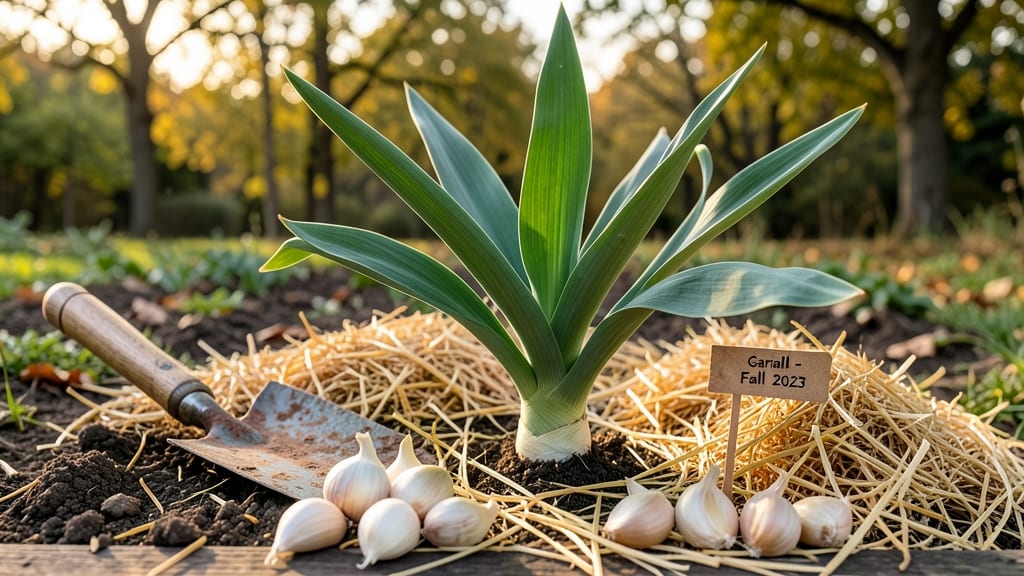
Timing your 🧄 garlic planting in South Dakota isn’t just about the calendar—it’s about beating the first frost while giving those cloves enough chill to form plump bulbs.
Plant too early, and your crop might rot before winter sets in; too late, and you’ll miss the sweet spot for next summer’s harvest. The key lies in those crisp fall months, when temperatures drop but the ground stays workable.
Most South Dakota gardeners in USDA zones 4a-5b should aim for October planting, giving garlic 6-8 weeks of cold before the soil freezes solid. But here’s the catch: your exact window depends on whether you’re in the Black Hills’ cooler microclimate or the warmer eastern plains.
A 2-week difference can mean the difference between thriving garlic and a failed crop.
What happens if you miss the boat? Don’t panic—spring planting is still an option, though it yields smaller bulbs. But why gamble when fall prep is your secret weapon?
I’ll walk you through the exact steps to time your planting, adjust for your region, and avoid the 5 critical mistakes that sabotage garlic growers every year.
Ready to grow hardneck garlic that rivals your neighbors’? Let’s dive into the climate-smart months that’ll turn your South Dakota garden into a garlic goldmine—without the guesswork.
Best planting months for garlic in South Dakota’s climate zones
South Dakota’s USDA zones 4a–5b create a unique challenge for garlic growers. Unlike warmer climates, fall planting is non-negotiable—spring planting almost never yields mature bulbs here. The key? Planting 4–6 weeks before the ground freezes, typically between mid-September and early November, depending on your exact location.
Hardneck varieties like 'German White' or 'Silverskin' thrive in South Dakota’s cold winters. These varieties need vernalization (cold exposure) to form bulbs, which is why fall planting works best. If you miss the window, your garlic may bolt (flower) prematurely or produce small, weak bulbs.
For most of South Dakota, October is the sweet spot. By this time, soil temperatures drop below 70°F, signaling garlic to stop sending up top growth and focus on root and bulb development.
In Zone 4a areas like the Black Hills, you might need to plant as early as late September to avoid early frosts.
Pro tip: Use a soil thermometer to monitor temperatures. Garlic cloves should be planted when soil temps are between 40–50°F. If you’re unsure about your frost date, check the National Weather Service’s historical data for your county—it’s a game-changer for timing.
One common mistake? Planting garlic in spring. While it might sprout, South Dakota’s short growing season won’t allow bulbs to mature before winter. If you absolutely must plant in spring, choose softneck varieties (like 'Artichoke') and expect smaller harvests.
Always plant individual cloves, not whole bulbs. Break apart a bulb and plant each clove 2 inches deep, with the pointed end up. Space them 4–6 inches apart in rows 12 inches apart to allow airflow and reduce disease risk.
After planting, mulch heavily with straw or leaves (4–6 inches thick) to protect cloves from freeze-thaw cycles and insulate them through winter. This mulch will also suppress weeds and retain moisture in spring.
Remember: Garlic planted in fall will emerge in spring, but the real magic happens underground during winter. The cold hardens the cloves, ensuring larger, more flavorful bulbs by harvest time.
If you’re in Zone 5b (like near Sioux Falls), you have a slightly longer window—plant through mid-October. But don’t wait too long; garlic planted after November 1 risks poor bulb formation due to insufficient cold exposure.
Best planting months for garlic in South Dakota’s climate zones
South Dakota’s USDA zones 4a-5b create a tight window for planting 🧄 garlic—typically between late September and mid-October. This timing ensures cloves get 6-8 weeks of cold before the ground freezes, a critical chill period for bulb formation.
Miss this window, and you risk either rotting cloves (if planted too early) or stunted growth (if planted too late).
For most gardeners, October is the sweet spot. Aim to plant 4-6 weeks before the first hard frost, which in South Dakota usually hits by mid-November. This gives garlic enough time to establish roots before winter dormancy.
In warmer microclimates, like the eastern plains, you might push planting into early November, while cooler areas like the Black Hills need to plant by early October.
Hardneck varieties—like ‘German White’ or ‘Silverskin’—thrive in South Dakota’s climate. These types need cold to form bulbs, so fall planting is non-negotiable for the best harvest. Softneck varieties, like ‘Artichoke’, can tolerate milder winters but still benefit from fall planting for larger bulbs.
🌱 South Dakota Garlic Planting Guide
| Month | Ideal Planting Time | Notes |
|---|---|---|
| Late September | Best for cooler regions (Black Hills) | Soil temps should be <40°F |
| October | Prime window for most of SD | Aim for 4-6 weeks before frost |
| Early November | Warmer microclimates only | Risk of poor bulb formation |
Pro Tip: Use a soil thermometer to confirm temps are below 40°F before planting.
If you’re unsure about your local frost dates, check the National Weather Service or your USDA Plant Hardiness Zone Map. For example, Rapid City (Zone 5a) can plant later than Sioux Falls (Zone 4b) due to temperature differences. Always plant 2-3 weeks earlier in higher elevations or northern regions.
One common mistake is waiting until November to plant, thinking it’s safer. But by then, the ground may freeze too soon, leaving cloves vulnerable to rot or heaving.
Instead, mark your calendar for mid-October and prepare your soil in advance. Amend with compost and ensure good drainage—garlic hates soggy soil.
For a second harvest, some gardeners try spring planting (March-April), but bulbs will be smaller and less flavorful. If you miss fall planting, focus on green garlic (harvesting scapes) instead of full bulbs. The effort pays off with plump, flavorful garlic the following summer—worth the precise timing!