
Plants
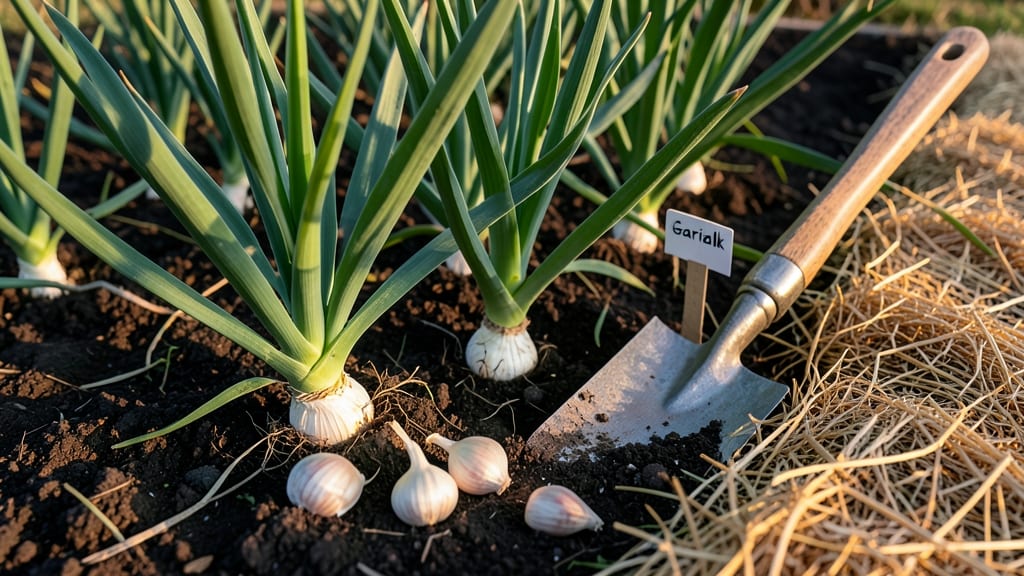
If you’ve ever wondered when to plant garlic in Seattle, timing is everything—especially in a city where rain and mild winters can throw off even the most careful gardeners.
The key to growing bold, flavorful bulbs lies in planting your 🧄 hardneck varieties between October and November, when soil temps dip but frost hasn’t yet locked the ground.
This window lets your garlic establish roots before winter’s chill sets in, setting you up for a summer harvest that’ll make your kitchen sing.
Seattle’s Zone 8a climate might seem forgiving, but microclimates—from urban heat islands to rural chill zones—mean your neighbors’ success might not match yours. That’s why nailing the 4-6 week window before the first frost (usually mid-November) is non-negotiable.
Too early, and your cloves rot; too late, and they’ll bolt before forming bulbs. I’ll show you exactly how to adjust for Seattle’s quirks, so you’re not guessing whether your garlic will thrive or flop.
What makes this even trickier? Seattle’s unpredictable weather can turn a perfect planting day into a muddy mess overnight. But don’t stress—we’ll cover soil prep hacks, mulching strategies, and even backup planting dates if Mother Nature throws a curveball.
Whether you’re a first-timer or a seasoned gardener, these insights will help you grow garlic that’s bigger, healthier, and ready to harvest by July or August—just in time for your favorite summer recipes.
Ready to ditch the guesswork? Let’s break down the exact steps to plant your garlic at the perfect moment, so you’re not left wondering why your bulbs are more like pebbles than plump, flavor-packed harvests. Your future meals—and your neighbors’ jealous glances—will thank you.
Seattle garlic planting calendar: hardneck varieties by microclimate Zone
Seattle’s USDA Zone 8a climate creates unique challenges for garlic growers, but understanding your microclimate zone is key to success. The city’s urban heat islands can delay frost by weeks compared to rural areas, while coastal influences bring extra moisture.
For hardneck garlic, timing matters most—plant too early, and cloves rot; too late, and bulbs won’t mature before summer heat.
Hardneck varieties like German White and Chesnok Red thrive in Seattle’s climate, but their planting windows vary by location. Urban areas (like Ballard or Capitol Hill) often have 2-3 weeks later frost dates than rural zones (like Snoqualmie or Woodinville).
Aim for soil temperatures between 40-50°F—this ensures roots establish before winter dormancy.
🌱 Pro Tip: Use a soil thermometer to verify readiness—Seattle’s unpredictable fall weather can delay ideal planting by weeks.
Seattle’s coastal areas (like West Seattle) often experience delayed frosts, allowing later planting—but hardneck garlic needs 60-80 days of cold dormancy to form bulbs. If you miss the ideal window, consider planting in containers for easier adjustments or use row covers to extend the season.
For urban gardeners, raised beds warm up faster in spring, which can trick garlic into bolting (flowering) prematurely. Amend beds with compost and aged manure to improve drainage and fertility. Rural areas benefit from cooler nights, which slow bulb development naturally—ideal for flavorful, large cloves.
💡 Key Insight: Seattle’s microclimates can shift planting dates by 3-4 weeks. Check local frost dates (like those from PNW Weather Network) and adjust accordingly.
After planting, mulch with 6-8 inches of straw to insulate cloves during winter. Remove mulch in late winter (February) to prevent rot. Hardneck garlic in Seattle typically emerges in March, with scapes appearing by June—a sure sign your bulbs are developing well!
🌿 Remember: Soil prep is just as critical as timing. Test your soil’s pH (6.0-7.0) and add organic matter like composted leaves or worm castings before planting.
For late starters, consider green garlic (harvesting before bulbs form) or softneck varieties, which tolerate warmer soils. But for bold, hardneck bulbs, stick to the fall planting calendar—your Seattle garden will thank you with plump, flavorful harvests come summer!
How to adjust planting dates for Seattle’s unpredictable weather patterns
Seattle’s cool, rainy winters and mild, unpredictable springs can throw off even the best-laid garlic planting plans. If you miss the ideal October-November window, don’t panic—garlic is resilient when you adapt.
The key is understanding how to shift planting dates based on soil temperature, frost forecasts, and your local microclimate.
For example, if soil temps drop below 40°F before you plant, your garlic cloves may rot instead of rooting. Use a soil thermometer to check—50-60°F soil is perfect for planting.
In urban Seattle, where pavement delays warming, aim for late October. In rural areas with faster-draining soil, you might squeeze in a mid-November planting.
Planting after November 15 increases frost damage risk. If you’re late, use row covers or plant in containers for easier protection.
🌱 Pro Tip: Hardneck varieties like 'German Red' tolerate cold better than 'Silverskin'—choose wisely for backup plantings.
If early frost warnings appear before your garlic roots, act fast. Mulch heavily with straw or leaves (4-6 inches) to insulate soil and protect emerging shoots. For container-grown garlic, move pots to a sheltered spot or wrap them in bubble wrap to retain warmth.
Another trick for delayed starts: Pre-sprout cloves indoors 2-3 weeks before planting. Place peeled cloves in a moist paper towel in a cool, dark spot (like your fridge’s crisper drawer). Once roots are 1-2 inches long, plant immediately—they’ll establish faster in cold soil.
For unusually warm falls, like the 2023 heatwave, delay planting until late November to avoid premature sprouting or bolting. Monitor NOAA frost predictions and adjust—Seattle’s first frost can vary by 2-3 weeks between urban and rural areas.
Finally, don’t overlook backup planting windows. If you miss fall, you can try a late-winter planting (February) for a smaller harvest. Use fast-growing varieties like 'Music' and expect to harvest by July—just know yields will be 30-50% smaller than fall-planted garlic.