
Plants
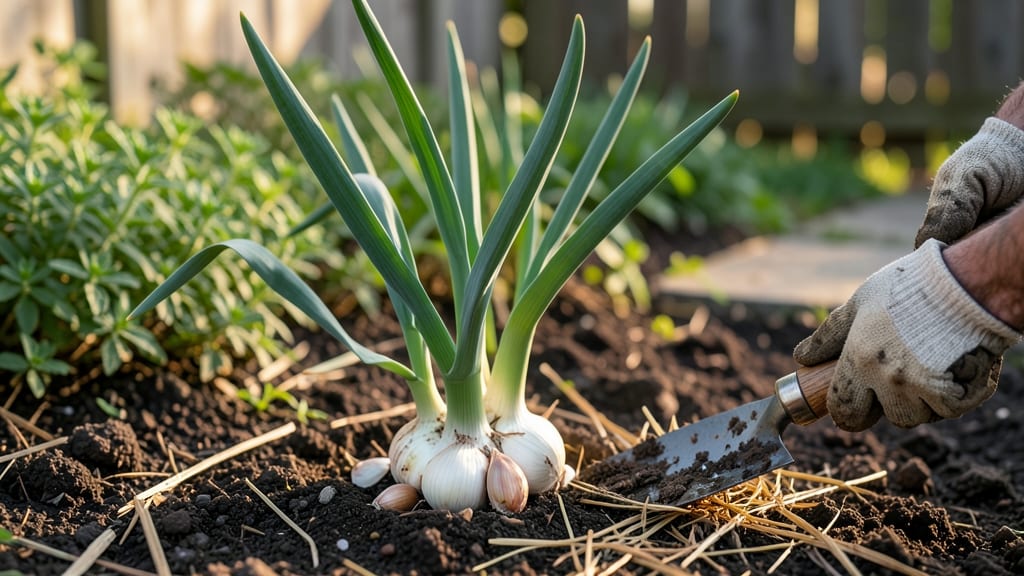
If you’ve ever wondered when to plant garlic in San Diego, the answer isn’t just about picking a month—it’s about working with the city’s unique coastal climate to grow bigger, healthier bulbs.
Unlike colder regions, San Diego’s mild winters mean you’ve got a narrow but critical window to get those cloves in the ground, or risk stunted growth or even rot.
Most gardeners here know fall is the season for 🧄, but the exact timing can make or break your harvest. Plant too early, and winter rains might drown your cloves; too late, and the summer heat will stress your garlic before it matures.
I’ll break down the ideal planting window—plus how to adjust for your specific microclimate, whether you’re in coastal La Jolla or inland El Cajon.
You’ll also discover which garlic varieties thrive best in San Diego’s soil, how to prep your garden for maximum bulb size, and the three biggest mistakes local growers make (and how to avoid them).
By the end, you’ll know exactly when, where, and how to plant for a bumper crop ready by next summer.
Ready to grow garlic that rivals the best at farmers’ markets? Let’s dive into the secrets that turn San Diego’s mild winters into your garlic-growing advantage.
San Diego garlic planting calendar: best months for coastal success
San Diego’s mild winters and coastal microclimates create perfect conditions for growing garlic bulbs, but timing is critical. Unlike northern climates, frost isn’t a factor—instead, focus on soil temperatures and rainfall patterns to avoid rot or stunted growth.
The ideal window spans October through January, with peak success in November.
Coastal areas (like La Jolla or Del Mar) stay warmer longer, so plant 1-2 weeks later than inland zones (e.g., Escondido or Ramona). Aim to plant 4-6 weeks before winter rains begin—typically by mid-November—to give roots time to establish before moisture increases.
Here’s your San Diego garlic planting timeline, tailored to local conditions:
| Month | Planting Window | Soil Temp Goal (°F) | Key Consideration |
|---|---|---|---|
| September | Early (cooler inland zones) | 65–75°F | Risk of overheating; best for high-elevation areas. |
| October | Ideal start (coastal areas) | 60–70°F | Optimal for root growth before rains. |
| November | Peak window (all zones) | 55–65°F | Balanced moisture and cool temps. |
| December | Late (coastal only) | 50–60°F | Higher fungal risk; use mulch. |
| January | Risky (avoid) | 45–55°F | Slow growth; smaller bulbs likely. |
San Diego’s USDA Zone 10a means garlic grows year-round, but fall planting yields the largest bulbs. The key is to plant when daytime temps average 70°F but nighttime temps drop below 60°F—this triggers bulb formation.
Inland areas (like Carlsbad) hit this sweet spot 2 weeks earlier than coastal spots (like Ocean Beach).
Pro tip: Hardneck varieties (like ‘German Red’) need cold exposure to form scapes, but San Diego’s mild winters may require chilling in the fridge for 4–6 weeks post-planting. Softneck varieties (like ‘Artichoke’) skip this step entirely—ideal for coastal growers.
Adjust your planting date based on local rainfall forecasts. If December rains are predicted early, plant by mid-November to avoid waterlogged soil. Use a drip irrigation system to maintain consistent moisture without overwatering.
For container gardening, plant in October–November using well-draining pots (at least 12 inches deep). Coastal breezes dry soil faster, so check moisture every 5–7 days—aim for 1 inch of water per week.
Remember: Harvest timing depends on planting date. Garlic planted in November typically matures by June–July, while December plantings may not reach full size until August. Plan ahead to avoid summer heat stress!
San Diego garlic planting calendar: best months for coastal success
San Diego’s mild coastal winters create a unique growing window for garlic that’s different from inland areas. Unlike colder regions, you don’t need frost to trigger bulb formation—your garlic relies on daylength changes and consistent temperatures between 50–65°F.
This means your ideal planting window is October through early January, with November being the sweet spot for most gardeners.
The key is planting 4–6 weeks before winter rains peak (usually December). Coastal areas like La Jolla or Pacific Beach can plant slightly later (through January) thanks to cooler ocean breezes, while inland zones like Escondido or El Cajon should aim for October–November to avoid summer heat stress.
Miss this window, and your garlic may bolt prematurely or produce small, weak bulbs.
Here’s the breakdown of your planting timeline based on San Diego’s microclimates:
| Planting Window | Coastal Areas (Zones 7–9) | Inland Areas (Zones 10–11) | Soil Temp Goal |
|---|---|---|---|
| Early Planting | Late October | Mid-October | 55–65°F |
| Ideal Window | November | October–November | 50–60°F |
| Late Planting | Early January | Mid-November | 55–65°F |
| Avoid After | January 15 | December 1 | — |
Pro tip: Use a soil thermometer to check temps—garlic roots need consistent coolth to develop properly. If your soil stays above 65°F for more than a week, your bulbs may not form correctly.
Coastal areas often have cooler soil due to ocean influence, while inland spots can heat up faster—adjust accordingly.
For container growers, plant in deep pots (12+ inches) with well-draining mix and move to a shaded patio during summer to prevent bolting. Containers warm up faster, so aim for October planting and keep them in partial shade until spring.
Remember, garlic planted in San Diego’s mild climate won’t need vernalization (cold treatment), but it does need 10–12 hours of daylight to trigger bulb formation. This happens naturally in fall/winter, but if you’re experimenting with spring planting (not recommended), you’ll need to trick the plants with cooler temps.