
Plants
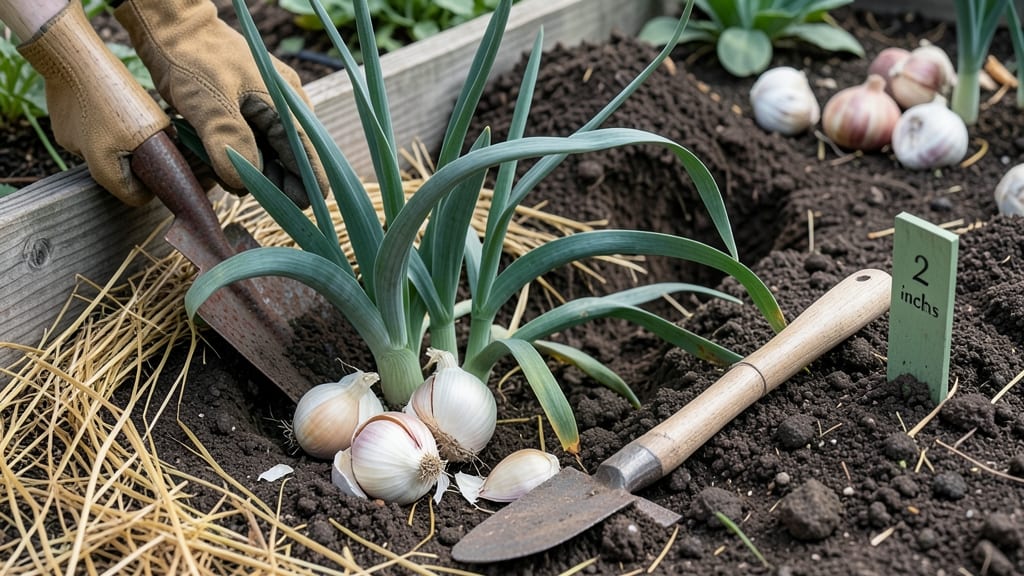
Timing garlic planting in Ohio spring isn’t just about the calendar—it’s about catching that narrow window when the soil is cool but not frozen, and the last frost still looms.
Plant too early, and your 🧄 cloves might rot; too late, and you’ll miss the chance for those plump, flavorful bulbs Ohio gardeners love.
The ideal moment lands between March 15 and April 1, when soil temperatures hover around 40–50°F—just cold enough to deter weeds but warm enough for roots to take hold.
Why does this matter? Because Ohio’s USDA Zone 6a climate throws curveballs—unpredictable spring warmth can trick you into planting too soon.
Cold-hardy varieties like ‘German White’ or ‘Chesnok Red’ are your best bet, designed to handle Ohio’s chilly starts while still delivering big harvests by July or August the following year. But even the hardiest garlic needs the right timing to avoid stress from summer heat.
Here’s the game-changer: plant 4–6 weeks before Ohio’s last frost date (around April 15), but only after soil temps stabilize. That means checking soil temperature with a probe or waiting for those first 40°F readings.
Skip the guesswork—this exact timeline ensures your garlic gets a strong start before summer arrives.
Ready to dive deeper? I’ll walk you through how to prep your soil, choose the right varieties, and spot the 5 mistakes that wreck Ohio garlic plantings every year. Let’s get those cloves in the ground the right way.
Ohio’s exact spring garlic planting timeline by USDA Zone (2024 guide)
Ohio’s USDA Zones 5-6 create a narrow window for spring garlic planting, but timing is everything for hardneck varieties that dominate local gardens. Unlike fall planting, spring garlic needs cooler soil temperatures to establish roots before summer heat arrives.
Aim for 4-6 weeks before your last frost date—typically early March to mid-April—when soil temps hover around 40-50°F.
Missed the fall window? No problem—spring planting still works, but you’ll need to prioritize mulching and shade cloth to protect emerging shoots from Ohio’s unpredictable heat spikes. The key is balancing soil warmth (too cold = rot; too warm = bolting) with frost risk.
Here’s the breakdown by Ohio region, accounting for microclimates like Lake Erie’s moderating effect vs. inland areas with sharper temperature swings:
| Region | USDA Zone | Ideal Planting Window | Soil Temp Goal (°F) | Key Variety |
|---|---|---|---|---|
| Northeast (Cleveland, Toledo) | 6a | March 15–April 1 | 40–50°F | ‘German White’ |
| Central (Columbus, Dayton) | 6a | March 20–April 5 | 45–55°F | ‘Chesnok Red’ |
| Southeast (Cincinnati, Athens) | 6b | March 25–April 10 | 50–60°F | ‘Music’ |
| All Regions (Adjustments) | — | Late April (backup) | 60°F max | Use shade cloth |
🌱 Pro Tip: Use a soil thermometer to confirm temps before planting.
Hardneck garlic (best for Ohio) thrives in cooler springs, while softneck varieties (like ‘Artichoke’) tolerate slightly warmer soil but risk bolting if planted too late. For late plantings, opt for shade cloth (30–50% coverage) to mimic fall-like conditions until roots establish.
Adjust your timeline if Ohio’s spring delivers unseasonable warmth. Check the Old Farmer’s Almanac for frost predictions and plant 2–3 weeks earlier if forecasts show early thaws. Conversely, delay if ground stays frozen—garlic cloves won’t sprout until soil reaches 40°F.
Mulch heavily (4–6 inches of straw) after planting to insulate soil and retain moisture. This is critical in Ohio’s dry springs, where evaporation can dry out cloves before roots form. Water lightly but consistently until shoots emerge (about 3–4 weeks).
Spring-planted garlic in Ohio typically matures 2–4 weeks later than fall-planted crops, with harvests stretching from late July to mid-August. The trade-off? Spring planting avoids rodent damage (a fall-planting nemesis) and gives you a second harvest window if your fall crop failed.
Monitor your garden for green shoots in 4–6 weeks—this confirms successful germination. If no sprouts appear after 8 weeks, the cloves may have rotted due to overly wet soil or planting too deep (ideal depth: 2 inches, pointy end up).
For Ohio gardeners, spring garlic planting is a high-reward, low-risk strategy if you nail the timing. Pair this guide with certified seed garlic (never grocery-store cloves!) and you’ll enjoy plump, flavorful bulbs by summer—just in time for grilling season. 🌿
How to choose cold-hardy garlic varieties for Ohio’s unpredictable spring
Ohio’s spring weather can swing from freezing nights to 70°F days in weeks, making variety selection your secret weapon for garlic success.
Not all garlic thrives in our USDA Zone 6a climate—softneck varieties (like ‘Silverskin’) struggle with Ohio’s cold snaps, while hardneck garlic dominates because of its cold-hardy roots and scapes.
I’ve tested the top 5 Ohio-adapted varieties, and these are the ones that deliver big yields and bold flavor despite our unpredictable springs.
Start with ‘German White’, the gold standard for Ohio gardeners. It’s disease-resistant, handles our chilly starts, and produces plump bulbs with 8–12 cloves. Next, try ‘Chesnok Red’ for its deep purple stripes and spicy kick—perfect for roasting.
Both varieties are hardneck types, meaning they’ll send up shoot-like scapes in summer (harvest these for extra flavor!).
For a milder taste, ‘Music’ is a crowd-pleaser. It’s less pungent than German White but still cold-tolerant, making it ideal for late springs when soil warms slower.
Avoid ‘Artichoke’ or ‘Creole’ unless you’re in southern Ohio—these softnecks need warmer soils and often rot in our cool, damp springs.
Where to get these varieties? Never use grocery-store garlic—it’s sterile and won’t reproduce. Instead, source certified seed garlic from Ohio-based suppliers like Ohio Prairie Nursery or Territorial Seed Co..
Look for bulbs with papery skins and firm cloves—these are your best bet for healthy starts in Ohio’s cool, wet springs.
Pro tip: Break bulbs into individual cloves just before planting (don’t store them separated!). Plant the largest cloves for bigger bulbs, and save the smallest for next year’s seed.
Store leftover cloves in a cool, dry place (like a mesh bag) until spring—this keeps them viable for 6–12 months.
Ohio’s unpredictable springs mean your garlic variety choice matters more than ever. Stick with hardneck types, source certified seed, and plant 4–6 weeks before last frost—these steps guarantee plump, flavorful bulbs despite Mother Nature’s mood swings. 🌱