
Plants
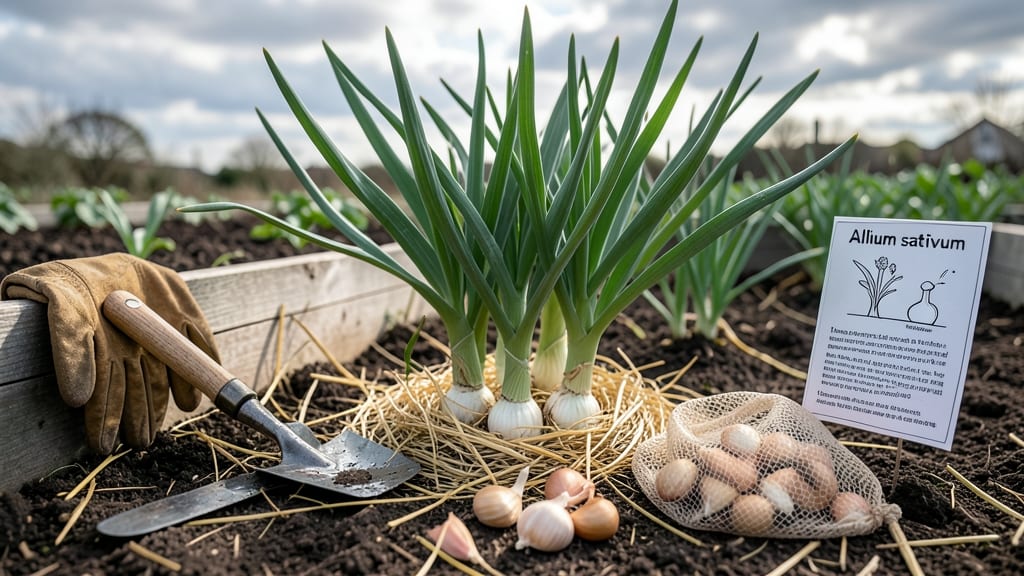
Timing your garlic planting in New Hampshire isn’t just about the calendar—it’s about unlocking the secret to hardneck garlic that rivals anything you’ve grown before.
With USDA Zone 5a-6b winters and unpredictable frosts, getting those cloves in the ground at the right moment can mean the difference between puny bulbs and plump, flavorful harvests next summer.
Most gardeners in New Hampshire know fall is the golden window for planting 🧄 garlic, but did you know the moon’s phases can supercharge your success? Planting during the right lunar cycle isn’t just old wives’ tales—it’s a science-backed way to boost bulb size and hardiness.
I’ll show you exactly when to dig in, whether you’re a first-timer or a seasoned grower looking to refine your technique.
This year, skip the guesswork and learn the precise planting dates that work for NH’s climate, from coastal Portsmouth to the White Mountains. We’ll cover soil prep, variety choices, and even how to adjust for early frosts—because nothing ruins a garlic crop faster than planting too late.
Ready to grow garlic that’ll make your neighbors jealous?
Let’s dive into the step-by-step guide that’ll have you harvesting juicy, robust garlic from late June to early July—no matter where you are in the Granite State. The best part? You’ll never second-guess your planting schedule again.
Best planting dates for garlic in New Hampshire’s climate zones
New Hampshire’s USDA Zones 3-5 create unique challenges for garlic growers. Unlike milder climates, NH’s early frosts (mid-October) and cold winters demand precise timing. Planting too early risks rot, while waiting too late stunts bulb development.
For hardneck varieties—the best choice for NH—aim for mid-to-late fall (October-November), when soil temps drop below 50°F (10°C) but before ground freezes.
Coastal areas like Portsmouth enjoy slightly milder microclimates, allowing planting until early November. Inland zones (e.g., Concord or White Mountains) need to plant by mid-October to avoid winter kill. Softneck varieties, less common in NH, can tolerate slightly later planting but rarely thrive in our harsh winters.
Always adjust for local frost dates—check the NH Agricultural Experiment Station for updates.
Soil temperature is your #1 guide. Use a soil thermometer to confirm temps between 40-50°F (4-10°C). In NH, this typically aligns with late October for most regions. If you miss this window, spring planting (March-April) is possible but yields smaller bulbs.
For best results, prioritize fall planting—it gives garlic’s roots time to establish before winter dormancy.
Don’t overlook moon phases. Planting during the waning moon (rooting phase) enhances bulb development. In NH, this often falls in late October. Pair this with 4-6 weeks before ground freeze for optimal success.
Pro tip: Hardneck varieties like ‘German White’ or ‘Music’ perform best in NH’s climate—choose these for largest bulbs and hardier scapes.
🌱 NH Garlic Planting Summary
| Zone | Ideal Planting Window | Soil Temp | Variety | Notes |
|---|---|---|---|---|
| 3 (White Mountains) | Mid-October | 40-45°F (4-7°C) | Hardneck | Plant by Oct 15; earliest frost |
| 4 (Concord) | Late October | 45-50°F (7-10°C) | Hardneck | Flexible; avoid Nov 1+ |
| 5 (Coastal) | Early November | 50°F (10°C) | Hardneck/Softneck | Milder winters; extend window |
| Spring Backup | March-April | 40°F (4°C) | Hardneck | Smaller bulbs; high care needed |
Preparing your soil is just as critical as timing. NH’s clay-heavy soils in many areas need amendments like compost or sand to improve drainage. Aim for well-draining, slightly acidic soil (pH 6.0-7.0).
Work in 2-3 inches of compost and a balanced fertilizer (10-10-10) before planting. In sandy soils (common in coastal NH), add organic matter to retain moisture.
Plant individual cloves 2 inches deep, 4-6 inches apart, with the pointy end up. Space rows 12 inches apart for easy harvesting. Mulch heavily with straw or leaves (4-6 inches) to insulate bulbs during winter.
This mulch layer also suppresses weeds and prevents soil heaving—a common issue in NH’s freeze-thaw cycles. Remove mulch in early spring to allow soil warming.
If you’re new to NH gardening, start small. Test a 10-plant patch your first year to refine timing. Note your last frost date and adjust future plantings accordingly. For example, if your area frosts earlier than average, shift planting to early October.
Use garlic plant markers to track progress—this helps monitor growth through NH’s snowy winters.
Remember: Hardneck garlic needs cold ver
Moon phase planting calendar: how to time garlic for maximum bulb size
Timing your garlic planting with the moon’s phases isn’t just old wives’ tales—it’s a science-backed strategy to maximize bulb size. In New Hampshire’s short growing season, aligning planting with lunar cycles can mean the difference between small cloves and giant bulbs.
The key is planting during the rooting phase (when the moon is in earth signs) to encourage strong root development before winter dormancy.
For hardneck garlic (NH’s best choice), aim to plant when the moon is in Taurus, Virgo, or Capricorn. These phases enhance root growth and bulb formation. In 2025, the optimal window falls between October 20–November 5, when the moon enters Taurus.
Check a lunar planting calendar for your exact dates—just remember, 4–6 weeks before ground freeze is critical.
Pro tip: Mark your lunar planting dates on a calendar and pair them with NH’s soil temperature (ideal: 40–50°F). If your soil is too warm, roots will grow too fast and become frost-sensitive. Mulch with straw (4–6 inches) to insulate bulbs and maintain even moisture through winter.
For softneck garlic (less common in NH), you can plant slightly later (November), but hardnecks thrive best with early fall planting. Test your soil’s drainage—waterlogged garlic in spring leads to rot and poor yields.
The moon’s influence fades after planting, but consistent moisture and full sun keep bulbs on track for harvest in late June.
Remember: The earlier you plant, the larger your bulbs. NH’s short growing season demands precision, so don’t wait until November—act now and let the moon work its magic on your garlic crop! 🌱🌿