
Plants
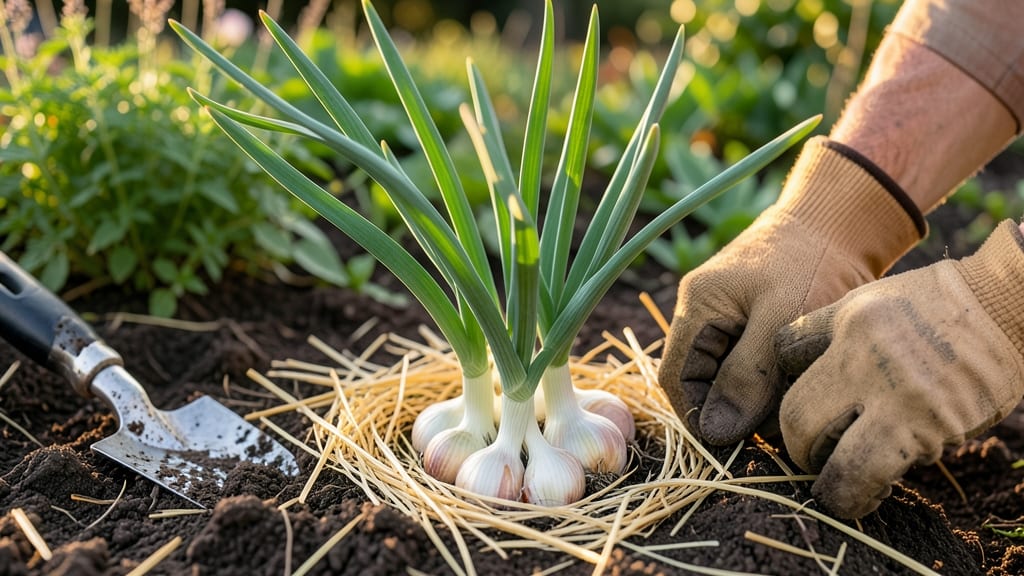
When to plant garlic in Denver isn’t just about the calendar—it’s about beating the clock before those first hard frosts of October. With Denver’s Zone 5b climate, timing your 🧄 planting just right means the difference between robust bulbs and frost-bitten disappointment.
The window is narrow: too early, and your cloves rot; too late, and they won’t establish before winter’s chill. But here’s the good news—with the right strategy, you can nail it every time.
Most gardeners in Denver swear by planting between mid-October and early November, when soil temps dip but haven’t frozen solid. This gives your garlic 4-6 weeks to root before winter dormancy kicks in. But Denver’s unpredictable weather—think sudden snow or early thaws—means flexibility is key.
Whether you’re a first-timer or a seasoned gardener, understanding how to adjust for your microclimate (like higher elevations or urban heat islands) can save your harvest.
You’ll also want to know which garlic varieties thrive in Denver’s conditions—some hardneck types, like German White or Chesnok Red, handle our winters like pros. Plus, I’ll show you how to prep your soil and protect your plants from late-season surprises.
By the time July rolls around, you’ll be pulling out plump, flavorful bulbs that make all the prep work worth it.
Ready to stop guessing and start growing? Let’s break down the exact steps to plant garlic in Denver—so you can enjoy that fresh, homegrown flavor without the stress. Your future meals (and your garlic plants) will thank you.
Denver’s ideal garlic planting window: hardiness zone 5b/6a deadlines
Garlic thrives in Denver’s Zone 5b/6a climate when planted during a 4-6 week window before the ground freezes. For Denver, this means aiming for mid-October to early November—the sweet spot where soil temps drop below 50°F (10°C) but haven’t yet hardened.
Planting too early risks spring harvest failure, while waiting too late exposes cloves to frost damage before root establishment.
Denver’s average first frost date is October 15, but microclimates near the foothills can delay frost by 2-3 weeks. Use this as your outer deadline: plant garlic no later than November 1 to ensure roots establish before winter dormancy.
For hardneck varieties (like Chesnok Red), this window is critical—they need cold stratification to form bulbs.
Soil temperature is your best indicator for timing. Use a soil thermometer to confirm temps are below 50°F (10°C) at a 4-inch depth. In Denver, this typically aligns with late October, but check weekly after October 1—soil can cool rapidly with early snowfall.
Pro tip: Plant when daytime highs hover around 60°F (15°C) for optimal root growth before winter.
Miss the ideal window? You still have options. Softneck varieties (like Silverskin) tolerate later planting—up to mid-November—but expect smaller bulbs. For hardneck garlic, September planting is risky unless you use row covers to protect from early frosts. Always prioritize 6-8 weeks before ground freeze for best results.
| Stage | Action | Denver Timeline |
|---|---|---|
| Soil Prep | Test pH (6.0-7.0), amend with compost | Late August - Early September |
| Planting Window | Plant cloves 2" deep, 4-6" apart | Mid-October - Early November |
| First Frost | Ground freezes; garlic enters dormancy | October 15 (avg.) |
| Spring Growth | Leaves emerge; no fertilizer needed | March - April |
| Harvest Ready | Lower leaves brown; bulbs firm | Mid-July - Late July |
Denver’s altitude (5,280 ft) accelerates soil cooling, so plant garlic 1-2 weeks earlier than lowland regions. Monitor your local CoCoRaHS weather station for real-time frost data—Denver’s urban heat islands can delay frost by 5-7 days compared to rural areas.
For example, Cherry Creek may stay frost-free longer than Boulder County, so adjust accordingly.
If you’re unsure about your last frost date, use the “60-day rule”: count back 60 days from your average last frost (April 15) to land on February 15.
But this is for spring-planted garlic—Denver’s climate favors fall planting for hardier bulbs. Spring-planted garlic struggles with Denver’s short growing season and often produces small, weak bulbs.
For container gardening, plant garlic in October as well, but use larger pots (12"+ diameter) to accommodate root growth. Containers warm faster in spring, so harvest 1-2 weeks earlier than in-ground garlic. Choose dwarf varieties like German White for best results in limited space.
Protect your garlic from late-season thaws by mulching with 4-6 inches of straw after planting. This insulates soil and prevents freeze-thaw cycles that can heave cloves out of the ground.
In Denver’s Zone 5b/6a, mulch is non-negotiable for bulb development—it mimics the natural cold stratification garlic needs to form large, flavorful cloves.
Remember: Timing is everything in Denver’s garlic-growing success. Plant too early, and you’ll harvest small, pungent bulbs with poor storage life. Plant too late, and frost will damage cloves before roots establish.
Stick to mid-October to early November, and you’ll reap bold, juicy garlic by July—perfect for braiding and storing through winter.
How to adjust garlic planting for Denver’s unpredictable weather patterns
Denver’s weather is famously fickle—one day you’re shoveling snow, the next you’re sweating through a heatwave. This unpredictability makes garlic planting a delicate balancing act.
The key is to plant early enough for roots to establish but late enough to avoid rot from wet soil or frost damage before winter.
For most of Denver, this means aiming for mid-October to early November, but your exact timing depends on microclimates like elevation or urban heat pockets.
If you’re gardening at higher elevations (above 5,500 feet), plant 2-3 weeks earlier—those areas freeze faster. Conversely, urban spots near pavement or buildings may stay warmer; delay planting by 1-2 weeks to avoid premature sprouting.
Always check soil temps: garlic roots need 40-50°F soil to establish, but cloves won’t survive if planted in frozen ground.
Denver’s late frosts can also throw a wrench in your plans. If a sudden cold snap hits after planting, protect your garlic with straw mulch (4-6 inches). This insulates the soil and prevents frost heave, which can uproot young plants.
For extra security, use row covers or black plastic mulch in early fall to warm the soil before planting.
What if you miss the ideal window? Don’t panic. You can still plant garlic in late November or even December, but expect smaller bulbs. For a backup plan, try spring planting (March), though yields will be lower.
Hardneck varieties like Chesnok Red handle Denver’s winters better than softnecks, so prioritize those if you’re pushing the limits.
Finally, pay attention to soil drainage. Denver’s clay-heavy soil can become waterlogged in fall, leading to rot. Amend beds with compost or sand before planting, and avoid low-lying areas where water pools. Well-draining soil is your best defense against Denver’s unpredictable moisture swings.
With these adjustments, you’ll turn Denver’s quirks into advantages—your garlic will thrive even when the forecast calls for snow one day and sunshine the next. 🌱