
Plants
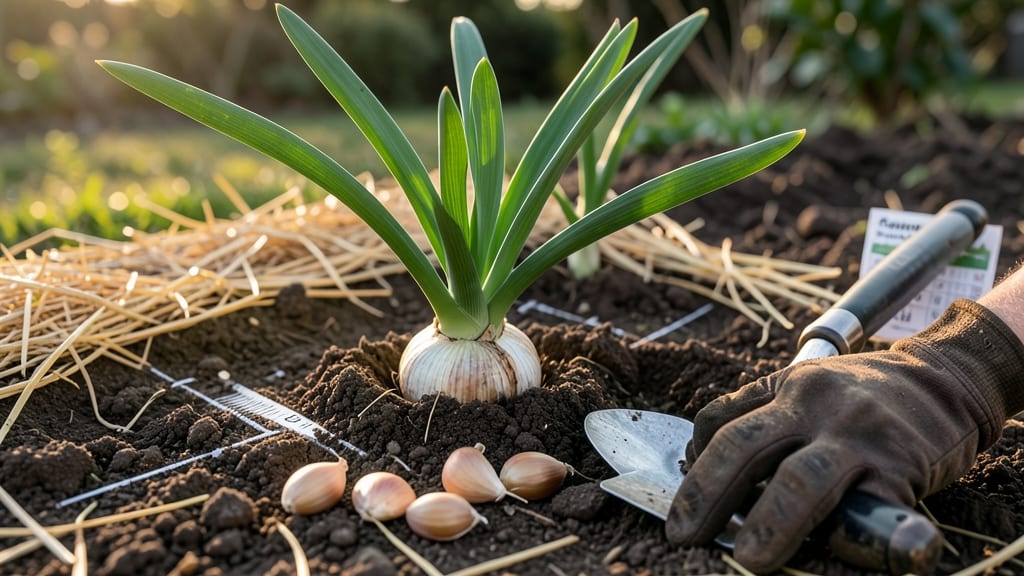
Timing your garlic planting in North Dakota isn’t just about throwing cloves into the ground—it’s the difference between a thriving crop of 🧄 hardneck varieties and a wasted season.
With frost creeping in by mid-September, you’ve got a narrow window to plant before the ground freezes solid, and missing it means your garlic won’t establish roots before winter sets in.
Most gardeners in zones 3b-4b know the ideal time is between mid-September and early October, but why does this matter so much? Because garlic needs 6-8 weeks of cool soil before winter dormancy kicks in.
Plant too early, and your cloves might sprout and get frostbitten; too late, and they won’t root deeply enough to survive the harsh ND winters.
In this guide, I’ll walk you through the exact steps to time your planting perfectly—from checking soil temps to adjusting for early freezes. You’ll also discover how to prep your soil, choose the right varieties, and protect your crop through winter, so you’re ready to harvest plump bulbs next summer.
Whether you’re a first-time grower or a seasoned gardener, getting this right means fewer mistakes and more flavorful garlic straight from your backyard. Let’s get started.
Optimal planting timeline for North Dakota hardneck garlic varieties
North Dakota’s USDA zones 3b-5 create a unique challenge for garlic growers. The key to success lies in planting hardneck varieties during a narrow window when soil temperatures drop to 40–50°F. This timing ensures bulbs establish roots before winter while avoiding frost damage to emerging shoots in spring.
For most of North Dakota, the ideal planting window runs from mid-September to early October. This schedule aligns with when daytime temperatures consistently drop below 60°F and nighttime lows approach freezing.
Planting too early (like in August) risks premature sprouting, while waiting until November leaves bulbs vulnerable to winter kill.
Use your local first frost date as a guide. Aim to plant 4–6 weeks before the ground freezes. In Fargo, this typically means late September, while in Bismarck, you might push to early October. Check NDAWN soil temperature maps for real-time data to fine-tune your timing.
Soil preparation is just as critical as timing. Work in 2–3 inches of compost and ensure your bed has well-draining soil to prevent rot during ND’s wet springs. A soil test for pH 6.0–7.0 will help bulbs thrive. Avoid fresh manure, which can burn garlic roots.
| Stage | Action | ND Timeline |
|---|---|---|
| Soil Prep | Add compost, test pH, loosen soil | Late August |
| Planting Window | Plant cloves 4" apart, 2" deep | Mid-Sept to Early Oct |
| Mulching | Apply 4–6" straw mulch | After planting |
| Spring Care | Remove mulch, fertilize lightly | Early May |
| Harvest Ready | Lower leaves brown, bulbs firm | Late July |
One common misconception is that garlic must be planted in fall only. While spring planting is possible in North Dakota, it yields smaller bulbs and requires more attention to keep soil moist during dry spells.
If you miss the fall window, you can try planting in early April, but expect reduced harvests.
Pay close attention to soil moisture after planting. ND’s dry winds can desiccate cloves, so water lightly if rainfall is scarce. Once frozen, leave the mulch intact—it insulates bulbs through winter’s 30°F nights and prevents heaving. Remove mulch in early spring to allow soil to warm.
For gardeners in Zone 3 (northern ND), like those in Minot or Devils Lake, prioritize early-maturing varieties like ‘Chesnok Red’ or ‘Creole’. These handle shorter growing seasons better. In Zone 4–5 (southern ND)
Remember: Garlic planted in North Dakota takes 10–11 months to mature. The bulbs you plant in fall won’t be ready until late July of the following year. This long timeline means every decision—from timing to variety—directly impacts your harvest’s success. Pro tip: Mark your planting date on a calendar and set reminders for spring care. In North Dakota, where seasons blur quickly, staying organized prevents missed opportunities. With the right timing, you’ll enjoy plump, flavorful bulbs that rival commercial garlic—without the grocery store markup! 🌿
Optimal planting timeline for North Dakota hardneck garlic varieties
North Dakota’s USDA zones 3b-5 create a unique challenge for garlic growers—you only get 4-6 weeks to plant before the ground freezes. The ideal window runs from mid-September to early October, when soil temperatures drop to 40-50°F but haven’t yet frozen solid.
This timing ensures your garlic cloves establish roots before winter dormancy, giving you the best chance for a robust harvest next summer.
For gardeners in zone 3b (like Fargo or Grand Forks), aim for planting by October 1st at the latest, while those in zone 5 (like Bismarck) can stretch until mid-October.
The key is planting when your soil stays above freezing but won’t warm up again until spring—this prevents premature sprouting in fall or winter.
Here’s the critical timeline to follow for a successful harvest:
| Stage | Action | Soil Temp (°F) | ND Zone Adjustment |
|---|---|---|---|
| Late August | Soil prep: Add compost, test pH (6.0-7.0) | 60-70°F | Zone 3b: Wait until mid-August |
| Mid-September | Plant cloves 4" deep, 6" apart | 50-60°F | Zone 5: Can extend to early Oct |
| Early October | Apply 2" mulch (straw or leaves) | 40-50°F | Zone 3b: Last chance to plant |
| November | Monitor snow cover for insulation | 32-40°F | All zones: Add extra mulch if no snow |
| Spring (May) | Remove mulch, fertilize lightly | 40-50°F | Zone 3b: Wait until soil thaws |
Planting too early (before September 1st) risks your garlic sprouting and getting frostbitten before winter sets in. Conversely, planting after mid-October means the cloves won’t establish roots before the ground freezes, leading to poor survival rates.
Use a soil thermometer to confirm temps are between 40-50°F before planting—this is your green light.
Pro tip: If you miss the fall window, you can try planting in early spring (March-April), but yields will be significantly smaller. Spring-planted garlic relies on summer heat to mature, and North Dakota’s short growing season makes this a risky gamble.
Stick to fall planting for the best results, and you’ll reward yourself with plump, flavorful bulbs by next summer.
🌱