
Plants
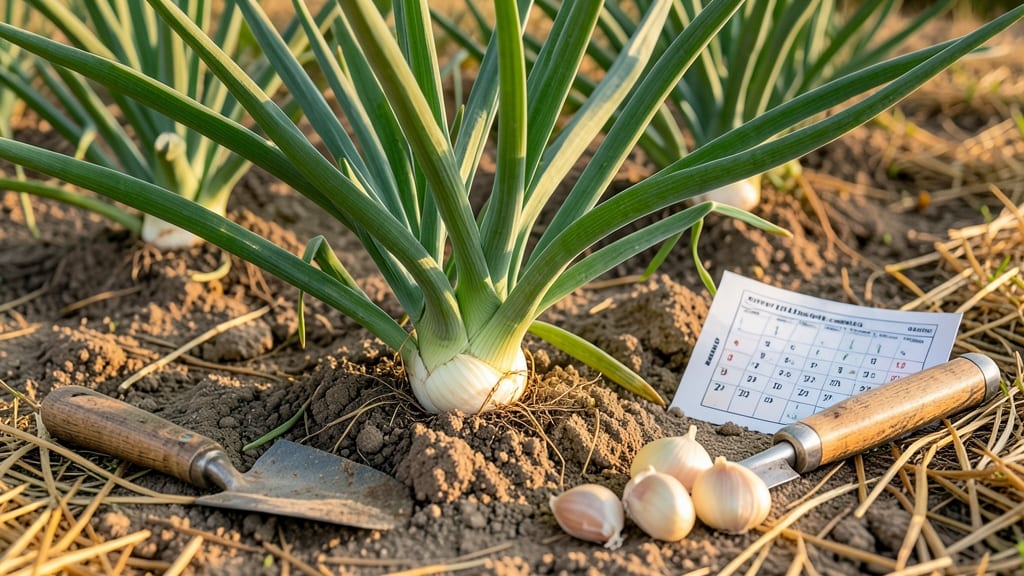
Planting garlic in New Jersey at the wrong time could mean the difference between a bumper crop and a total bust—especially when you're dealing with 6a winters that can freeze your hard work before it even starts.
Whether you're growing hardneck or softneck varieties, timing is everything, and getting it right means you'll end up with bulbs that rival anything you'd buy at the store.
If you've ever wondered why some gardeners swear by fall planting while others insist on spring, the answer lies in New Jersey's unique climate. The key is planting 4-6 weeks before the ground freezes, typically between October and November, so the roots establish before winter sets in.
But here's the catch: if you miss that window, you might still have options—but they're not as foolproof.
In this guide, I'll break down exactly when to plant for the best yields in your zone, including how to adjust for late starts and what to watch for when those first green shoots appear in spring.
You'll learn the secrets to avoiding common mistakes that leave gardeners scratching their heads come harvest time.
By the end, you'll know not just when to plant, but how to set up your garlic for success—so you can enjoy homegrown 🧄 that's sweeter, fresher, and more rewarding than anything you've grown before. Let's get those cloves in the ground the right way!
Optimal planting windows for hardneck vs softneck garlic in New Jersey
New Jersey’s USDA Zones 6a-7a create a unique challenge for garlic growers. The first frost typically arrives by mid-October, while the last frost lingers until mid-November.
This narrow window means timing is critical—plant too early, and your garlic may bolt; too late, and it won’t establish roots before winter. The good news? Both hardneck and softneck varieties thrive here, but their planting schedules differ slightly.
For hardneck garlic, the ideal planting window is mid-October to early November.
This variety needs cold stratification to form bulbs, so planting too late (after early November) risks stunted growth. Softneck garlic, on the other hand, is more forgiving and can be planted as late as mid-November, though October remains the sweet spot for both types.
Here’s the key difference: Hardneck garlic relies on winter chilling to develop its signature scape (the curly stem) and larger bulbs. Softneck varieties, like Silverskin, store better long-term but don’t need as much cold.
In Zone 6a (northern NJ), aim for 4-6 weeks before the ground freezes—usually late October. In Zone 7a (southern NJ), you’ve got a bit more flexibility until early November.
🌱
Why does soil temperature matter so much? Garlic cloves need 4-6 weeks of root growth before the ground freezes solid.
If planted too late, roots won’t establish, and your cloves will rot over winter. Hardneck varieties are particularly sensitive—plant them after early November, and you’ll likely end up with small, weak bulbs or no harvest at all.
For Zone 6a gardeners (e.g., Newark, Trenton), stick to late October planting. In Zone 7a (e.g., Atlantic City, Cape May), you can push it to early November.
Check your local NJ State Climate Office for frost predictions—they often release weekly updates in fall that can guide your timing.
One common mistake? Planting spring garlic (a misnomer—it’s actually fall-planted too). Some gardeners try planting in March or April, but this results in small, pungent bulbs with poor storage life. Spring planting only works in USDA Zone 8+, which NJ doesn’t have.
Save your energy for the fall window—it’s the only way to get large, flavorful bulbs.
If you’re unsure about your microclimate, observe your garden’s frost patterns over 3 years. For example, valley areas (like the Delaware River Valley) may frost earlier than coastal regions.
Plant a test row in late October and monitor how quickly roots establish—this will help you fine-tune future plantings.
Finally, remember that New Jersey’s winters vary wildly. A mild winter (like 2022–2023) might let you plant softneck garlic
Optimal planting windows for hardneck vs softneck garlic in New Jersey
New Jersey’s USDA Zones 6a-7a create a unique challenge for garlic growers—cool winters and variable frost dates mean timing matters more than most plants. Hardneck and softneck varieties each have ideal windows, but missing them can mean smaller bulbs or even failed crops.
Let’s break down the best months to plant each type for maximum yield.
For hardneck garlic, the sweet spot is mid-October to early November.
This gives the cloves time to establish roots before winter dormancy, while still allowing bulb development during the cooler spring. Softneck garlic, on the other hand, is more forgiving and can be planted as late as mid-November, though earlier is always better.
| Variety | Ideal Planting Window | Soil Temp for Germination | Notes |
|---|---|---|---|
| Hardneck Garlic | Mid-October to early November | 40-50°F (4-10°C) | Needs cold vernalization for bulb formation; plant 4-6 weeks before first frost. |
| Softneck Garlic | Mid-October to mid-November | 45-55°F (7-13°C) | More cold-tolerant; can handle slightly later planting. |
Why does this matter? Hardneck garlic relies on cold temperatures to trigger bulb formation, so planting too late (after mid-November) risks weak or no bulbs. Softneck varieties, while more adaptable, still perform best when planted before the ground freezes solid.
Check your local last frost date—most of NJ sees it around mid-November—and aim to plant at least 4-6 weeks before that.
Pro tip: Use a soil thermometer to confirm temperatures. Garlic cloves need 40-50°F soil to germinate successfully.
If your soil is warmer than 55°F, wait a few weeks or use shade cloth to cool it down. Cold soil speeds up root establishment, setting the stage for bigger bulbs next summer.
One common mistake? Planting in September. While it’s not disastrous, early planting can lead to premature sprouting and smaller bulbs.
If you’re eager to start, hold off until late September at the earliest, but October is ideal. Spring planting is a no-go in NJ—garlic needs winter dormancy to develop properly.
Finally, don’t overlook microclimates. Coastal areas like Cape May have milder winters, while inland zones like Sussex County can get harsher frosts.
Adjust your planting window 1-2 weeks later if you’re in a colder microclimate. Test your soil’s cold tolerance by planting a few cloves in early October—if they sprout, you’re in the clear!