
Plants
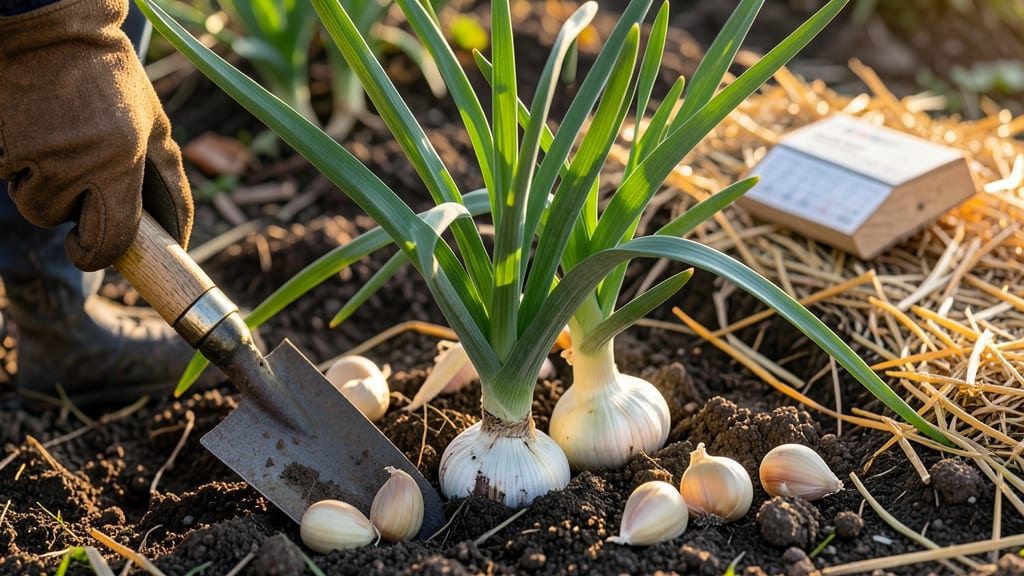
Timing your garlic planting in Adelaide isn’t just about following a calendar—it’s about working with the city’s unpredictable microclimates, from the cool hills to the warmer plains. Get it wrong, and you might end up with stunted bulbs or even total failure.
But nail the window, and you’ll harvest plump, flavorful 🧄 that puts store-bought to shame.
Here’s the secret: Adelaide’s Zone 8a climate demands autumn planting—between April and May—when soil temperatures drop and summer’s heat fades. This gives your garlic the 10-12 weeks of cool weather it needs to establish roots before winter dormancy kicks in.
Skipping this window? You risk weak growth or bulbs that never fully form.
Why does this matter? Because garlic thrives on routine—consistent moisture, cool temps, and no sudden freezes. In Adelaide, that means planting before the first frost (usually around mid-May) and harvesting next October-November, when the lower leaves turn golden.
Miss the mark, and you’ll battle everything from fungal rot to split bulbs.
I’ll walk you through exactly how to prep your soil, pick the right cloves, and adjust for Adelaide’s quirks—so you can go from nervous beginner to confident grower. Let’s get those cloves in the ground the right way.
Best months to plant garlic in Adelaide’s climate zones
Adelaide’s USDA Zone 8a climate means garlic thrives when planted in autumn, but the exact timing varies by microclimate. Coastal areas like Glenelg have milder winters, while the Adelaide Hills experience earlier frosts. Planting too early or late risks poor bulb formation or winterkill.
For coastal Adelaide, aim for mid-April to early May—after summer’s last heatwave but before June’s cooler temperatures. In the Adelaide Plains, shift planting to late April to avoid winter frosts that can damage emerging shoots.
The Fleurieu Peninsula falls in between, with early April to mid-May being ideal.
Garlic needs 120–180 frost-free days to mature, so planting in April–May ensures harvests in October–November of the following year. Miss this window, and you’ll likely end up with small, weak bulbs or no harvest at all.
🌱
🌿 Adelaide Garlic Planting Guide by Region
| Region | Best Planting Window | First Frost Risk | Harvest Month |
|---|---|---|---|
| Coastal (Glenelg, Seacliff) | Mid-April to early May | Low (June–August) | October–November |
| Adelaide Plains (Tea Tree Gully, Modbury) | Late April | Moderate (May–July) | October–November |
| Adelaide Hills (Mount Lofty, Hahndorf) | Early April | High (April–June) | October–November |
| Fleurieu Peninsula (McLaren Vale, Victor Harbor) | Early April to mid-May | Moderate (May–July) | October–November |
💡 Pro Tip: Use softneck varieties like Silverskin for Adelaide’s mild winters—they store better than hardneck types.
If you’re unsure about your local frost dates, check the Bureau of Meteorology’s Adelaide climate data or ask at your nearest nursery. They’ll know the latest on microclimate variations that can shift planting by weeks.
Garlic planted in March risks bolting (premature flowering) due to rising temperatures, while June plantings may not mature before summer’s heat. Stick to the April–May window for reliable results.
For container growing, plant in April—containers warm up faster and can be moved to shaded spots if frost threatens. Just ensure pots have drainage holes to prevent root rot in Adelaide’s winter rains.
🌡️
After planting, mulch with straw or lucerne hay to retain moisture and protect cloves from temperature swings. In the Adelaide Hills, a lightweight row cover can shield young shoots from unexpected frosts in June–July.
Finally, mark your calendar for harvest time—when lower leaves turn brown and the bulb is firm to the touch. This usually falls in late October for coastal plantings and early November for hill regions.
Best months to plant garlic in Adelaide’s climate zones
Adelaide’s USDA Zone 8a climate creates a narrow but critical window for planting garlic—autumn is your best bet. Unlike cooler regions, Adelaide’s mild winters mean garlic needs to establish roots before winter sets in, but not so early that summer heat stresses young plants.
Aim for April to early May for optimal results, when soil temperatures drop below 25°C (77°F) and daytime highs stay under 20°C (68°F).
This timing aligns with Adelaide’s first frost risk, typically around mid-May. Planting too late risks stunted growth, while planting too early exposes cloves to summer’s heat stress and potential fungal issues.
Coastal areas like Glenelg may push planting to late May, while inland regions like Barossa should plant by early April to avoid summer heat.
For hardneck varieties (like Silverskin or Purple Stripe), stick to the April-May window—they need cold winters to form bulbs. Softneck varieties (like Artichoke) are more flexible but still thrive with April planting.
Pro tip: Use a moon planting calendar for root crops—plant during the waxing moon in Taurus or Virgo signs for stronger bulbs.
Adelaide’s unpredictable winter rains can drown garlic if planted too late. If you miss the April-May window, try June planting but expect smaller yields. The key is soil temperature: Use a soil thermometer—ideal planting temps are 10-15°C (50-59°F).
Coastal areas can plant slightly later due to milder winters, but inland regions must act faster.
Remember, garlic needs 120-180 days to mature. Planting in April ensures harvest by October-November, just as Adelaide’s summer heat ramps up. This timing also lets you rotate crops with summer vegetables like zucchini or beans, maximizing your garden space.
If you’re new to garlic growing, start with 3-5 cloves in a small patch to test your timing. Adelaide’s climate rewards patience—well-timed garlic can yield bulbs as large as 3 inches across, perfect for braiding or cooking! 🧄