
Plants
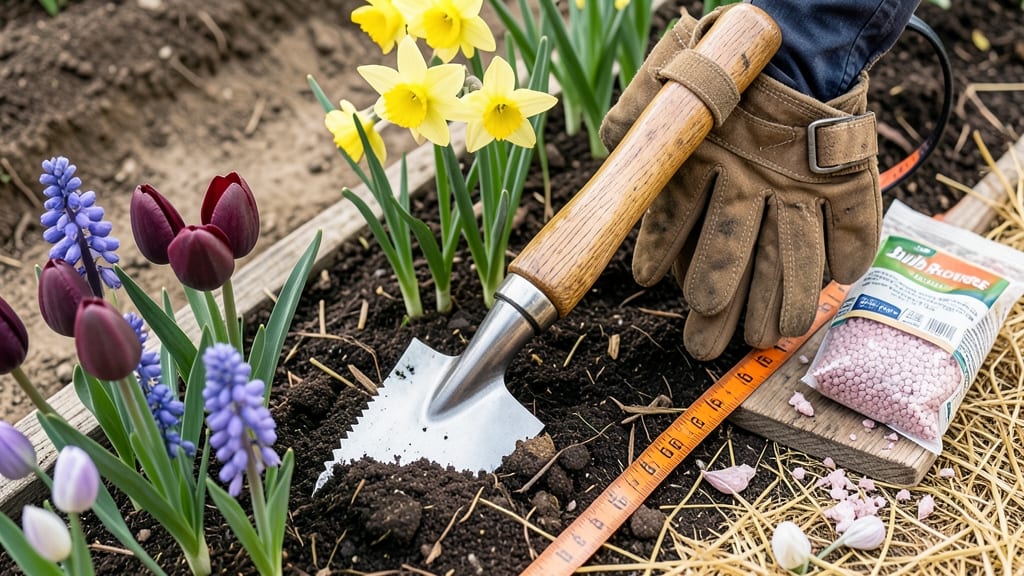
If you’ve ever wondered when to plant bulbs in NJ, timing isn’t just about the calendar—it’s about understanding your local chill hours and frost dates. In New Jersey’s 6a-7b zones, planting too early can mean soggy, rotting bulbs, while waiting too late risks missing the frost window entirely.
The key? A 6-8 week lead time before the ground freezes, typically landing you in October or November.
But here’s the catch: Northern NJ (like Zone 6a) has a shorter window than South Jersey’s milder Zone 7b. That means your neighbor’s perfect timing might not work for you.
Whether you’re planting tulips 🌷, daffodils, or hyacinths, knowing your exact chill-hour zone—and adjusting for microclimates—is the game-changer for vibrant spring blooms.
I’ll walk you through the exact months for each zone, soil prep secrets to avoid common NJ pitfalls (like heavy clay), and how to extend your planting window if you miss the ideal date. No more guesswork—just a foolproof plan for bulbs that thrive year after year.
Ready to transform your garden? Let’s dive into the best times to plant, regional tweaks, and pro tips to keep your bulbs happy until spring. Your future blooms will thank you!
NJ’s chill-hour zones explained: when to plant bulbs by region
New Jersey’s diverse chill-hour zones (ranging from Zone 5-6 in the north to Zone 7-8 in the south) mean your bulb planting window can vary by 4-6 weeks.
Understanding these zones helps you avoid planting too early (risking rot) or too late (missing frost protection). Let’s break it down by region so you can plant with confidence.
North Jersey (Zones 5-6, e.g., Bergen County, Sussex County) has the earliest frost dates—typically around November 1. This means your ideal planting window is mid-September to early November.
For example, if you’re in Newark or Paterson, aim to plant by October 15 to ensure bulbs establish roots before winter.
Central NJ (Zones 6-7, e.g., Trenton, Princeton, New Brunswick) offers a slightly longer window. Here, bulbs can be planted from late September to mid-November. The Pine Barrens region (like Pemberton) may experience earlier frosts, so adjust by 2 weeks earlier than the general guideline.
South Jersey (Zones 7-8, e.g., Atlantic City, Cape May, Vineland) has the latest frost dates (often mid-November), allowing you to plant until late November.
However, humidity and warmer soils in this region can increase rot risk, so prioritize well-draining soil and avoid planting after November 15.
Microclimates matter! Urban areas like Newark or Jersey City may experience earlier frosts due to the heat island effect, while coastal areas (e.g., Cape May) can stay warmer longer. Always check your local frost dates using the NJ State Climate Office or Almanac for precision.
For reliable blooms, plant tulips and daffodils in October, as they need 12-16 weeks of cold to flower. Crocuses and snowdrops (hardier options) can wait until November in Zone 7-8. Pro tip: Label your bulbs by variety and planting date to track performance across zones.
Missed the fall window? Some cold-hardy bulbs (like daffodils) can tolerate late plantings if the ground isn’t frozen. However, tulips planted after November 15 may struggle to establish roots. Use mulch (4-6 inches) to insulate late plantings and protect them from freeze-thaw cycles.
Remember: Soil temperature is your best guide. Use a soil thermometer to confirm 60°F—ideal for root growth. In North Jersey, this often aligns with late October, while South Jersey may still be plantable in early November. Don’t guess—measure!
🌱
Best fall bulbs for NJ gardens: chill-requiring vs. cold-hardy varieties
Not all bulbs thrive in New Jersey’s short winters and humid summers. The best choices for your garden depend on whether they need chill hours (300-1,500) to bloom or can handle NJ’s mild winters naturally.
For example, ‘Ice Follies’ tulips (Zone 4-8) tolerate our chill, while ‘Stella de Oro’ daffodils (Zone 3-10) bloom reliably even in South Jersey’s Zone 7b.
Tulips and hyacinths often struggle with tulip fire blight in NJ’s damp springs, so opt for disease-resistant varieties like ‘Darwin Hybrid’ tulips. Daffodils and alliums, however, handle our climate like pros—their natural toxins deter deer and pests, a major plus for suburban NJ gardens.
Here’s how to match bulbs to your zone and avoid common NJ pitfalls:
| Bulb Type | Chill Needs | Best NJ Zones | NJ-Specific Tip |
|---|---|---|---|
| Tulips (e.g., ‘Darwin Hybrid’) | 900-1,500 hours | Zones 5-7 | Plant in October; avoid wet springs to prevent fire blight. |
| Daffodils (e.g., ‘Ice Follies’) | 300-600 hours | Zones 3-10 | Deer-proof; bloom early, escaping NJ’s late frosts. |
| Hyacinths (e.g., ‘Anna Marie’) | 1,200+ hours | Zones 4-8 | Plant in November; mulch heavily for winter protection. |
| Alliums (e.g., ‘Purple Sensation’) | 600-900 hours | Zones 5-9 | Drought-tolerant; perfect for South Jersey’s dry summers. |
| Snowdrops (e.g., ‘Galanthus’) | 300-500 hours | Zones 3-9 | Bloom in late winter; ideal for shady NJ woodlands. |
For North Jersey (Zones 5-6), prioritize bulbs like tulips and crocuses—they need those extra chill hours. Meanwhile, South Jersey (Zone 7b) gardeners can push the envelope with cold-hardy daffodils and alliums, even planting as late as early December if soil temps stay above 40°F.
Pro tip: Mix chill-loving tulips with low-chill daffodils for a longer bloom season. Start with 5-10 bulbs per variety to test what thrives in your microclimate—then expand next year! 🌷