
Planting
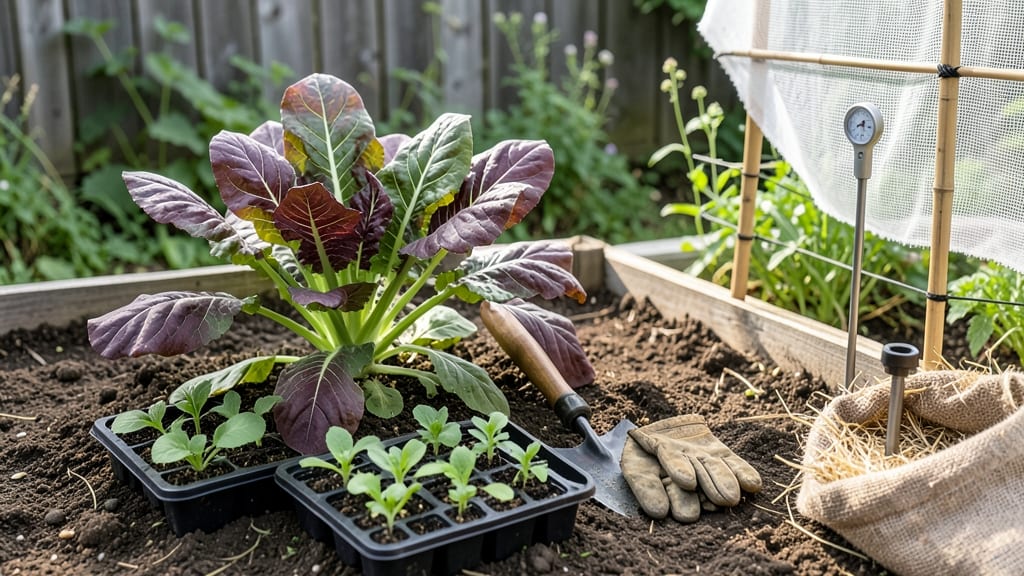
Timing your Garden planting in Wisconsin can feel like playing a high-stakes game of chance—one wrong move, and your tender seedlings could become a late-May snack for frost.
But here’s the good news: with the right strategy, you can outsmart Wisconsin’s unpredictable weather and grow a thriving 🌱 that yields bountiful harvests from summer through fall.
Most gardeners in the Badger State wait until after the last frost date, but that’s not the whole story.
Northern Wisconsin (zones 3-4) often has 3-4 weeks earlier frost dates than the southern part of the state (zones 4-5), meaning your planting window could shift dramatically depending on where you live.
I’ll show you exactly when to start seeds indoors, transplant outdoors, and which hardy crops can handle Wisconsin’s chilly springs.
You’ll also discover how to use soil temperature as your secret weapon—because even if the air warms up, cold ground can stall your plants.
Plus, I’ll share my top tips for extending your season with row covers and cold frames, so you’re not left scrambling when an unexpected frost rolls in. Let’s turn your Wisconsin garden from a gamble into a guaranteed success.
Ready to stop guessing and start growing? By the end of this guide, you’ll have a custom planting calendar tailored to your specific zone, plus the confidence to adjust on the fly when Mother Nature throws you a curveball. Your best harvests are just a few weeks away.
Wisconsin last-frost dates by zone: when to start planting
Wisconsin’s three distinct climate zones—Northern, Central, and Southern—each have unique last-frost dates that dictate when to plant. Understanding these zones helps you avoid frost damage while maximizing your garden’s potential.
For example, Northern Wisconsin (zones 3-4) typically sees its last frost around May 15-20, while Southern Wisconsin (zones 5-6) warms up by May 1-10. These dates can shift by 1-2 weeks yearly, so flexibility is key.
To plan accurately, check the USDA Plant Hardiness Zone Map and cross-reference it with local frost records from the UW Extension. For instance, Madison (Zone 5a) averages a last frost on April 28, but Green Bay (Zone 4b) often waits until May 15.
Use these dates as guidelines, not rules, because microclimates (like urban heat islands or sheltered valleys) can create earlier planting opportunities in specific spots.
Here’s how to use this information: Start cool-season crops like spinach and peas 4-6 weeks before your average last frost. For warm-season crops such as tomatoes and peppers, wait until 2 weeks after the last frost to ensure soil temperatures stay above 50°F.
Perennials, like daylilies or coneflowers, can often be planted in early spring or fall, giving you more flexibility.
🌱
| Zone | Average Last Frost | First Frost | Planting Window | Notes |
|---|---|---|---|---|
| Northern (3-4) | May 15-20 | September 25-October 5 | Mid-May to early June | Shorter growing season; use row covers |
| Central (4-5) | May 1-10 | September 20-October 1 | Late April to mid-June | Moderate season; ideal for most crops |
| Southern (5-6) | April 20-May 5 | October 10-20 | Early April to late May | Longer season; great for warm-season crops |
If you’re unsure about your exact last-frost date, use the National Weather Service’s frost prediction tools or local Cooperative Extension Service reports.
For example, Milwaukee (Zone 5b) often sees its last frost around April 25, but Eau Claire (Zone 4a) might not hit that mark until May 10. These variations highlight why localized planning is essential for Wisconsin gardeners.
Another key factor is soil temperature. Even if the air is warm, cold soil can delay germination. Use a soil thermometer to confirm temperatures are above 40°F for cool crops and 60°F for warm crops.
For instance, tomato seeds need soil at least 70°F to sprout quickly. If your soil is still chilly, consider starting seeds indoors or using black plastic mulch to warm it faster.
For perennials and shrubs, timing matters less, but fall planting (late August to early October) is ideal in Wisconsin. This gives roots time to establish before winter. For example, daylilies thrive when planted in early fall, while roses benefit from spring planting when the ground thaws.
Always aim to plant perennials 4-6 weeks before the first expected frost to avoid winter stress.
Finally, keep a gardening journal to track your local frost dates over the years. Note when unexpected late frosts occur, as these can derail even the best-laid plans. For instance, in 2018, a late frost in late May caught many Wisconsin gardeners off guard.
By recording these anomalies, you’ll refine your planting schedule year after year.
🌿
Pro tip: If you’re new to Wisconsin gardening, start with hardy crops like kale, Swiss chard, and peas, which tolerate cooler temperatures. These cool-season champions can often be planted 2-3 weeks before your average last frost, giving you an earlier harvest.
Pair them with radishes or lettuce for a quick-turnaround salad garden that thrives in Wisconsin’s early spring.
Plant-specific Wisconsin planting calendar: what to sow when
Wisconsin’s short growing season demands precision—knowing when to plant each crop can mean the difference between a bountiful harvest and wasted effort. Cool-season crops like spinach and peas thrive in spring’s chill, while tomatoes and peppers need warm soil to sprout.
Timing isn’t just about the calendar; it’s about soil temperature, frost risk, and even the moon’s phases for some gardeners.
Start with cool-season crops in early spring, as soon as the ground is workable—typically late April to early May in Southern Wisconsin and mid-May to early June in the North. These hardy plants tolerate light frosts and even snow cover, making them ideal for Wisconsin’s unpredictable start to spring.
For warm-season crops, wait until after the last frost date and when soil temps hit 50°F+, usually mid-May to June.
Here’s your plant-specific guide to Wisconsin’s best planting windows, tailored to the state’s three distinct regions. Use this to align your garden with nature’s rhythm and avoid common pitfalls like bolting lettuce or blossom-end rot in tomatoes.
Central WI: Mid-May
Northern WI: Early June
Central WI: Late May–June
Northern WI: Early June–July
Tip: Plant in well-draining soil to prevent rot
Central/Northern WI: Early August–September
Goal: Harvest before first frost (Sept–Oct)
For warm-season crops, consider starting seeds indoors 6–8 weeks before your last frost date to give them a head start. Tomatoes and peppers, for example, need 10–12 weeks of warmth to mature, so begin them indoors in March for a Southern Wisconsin garden.
In Northern Wisconsin, delay until April to avoid overcrowding or transplant shock.
Extend your season with row covers or cold frames to protect tender plants. These tools add 2–4 weeks of growing time in spring and fall, letting you plant earlier or harvest later.
For example, a floating row cover can shield lettuce from a late frost in May, while a cold frame lets you grow spinach well into October.
Don’t overlook fall planting—it’s a Wisconsin gardener’s secret weapon. Crops like kale, carrots, and radishes taste sweeter after a light frost and thrive in cooler weather.
Plant these 6–8 weeks before your first frost date (typically late July to early September) to ensure a harvest before winter sets in.
Finally, keep a gardening journal to track your planting dates and outcomes. Wisconsin’s climate varies yearly, so your last-frost date might shift by weeks. Over time, you’ll refine your schedule to match your microclimate—whether that’s a sunny