
Planting
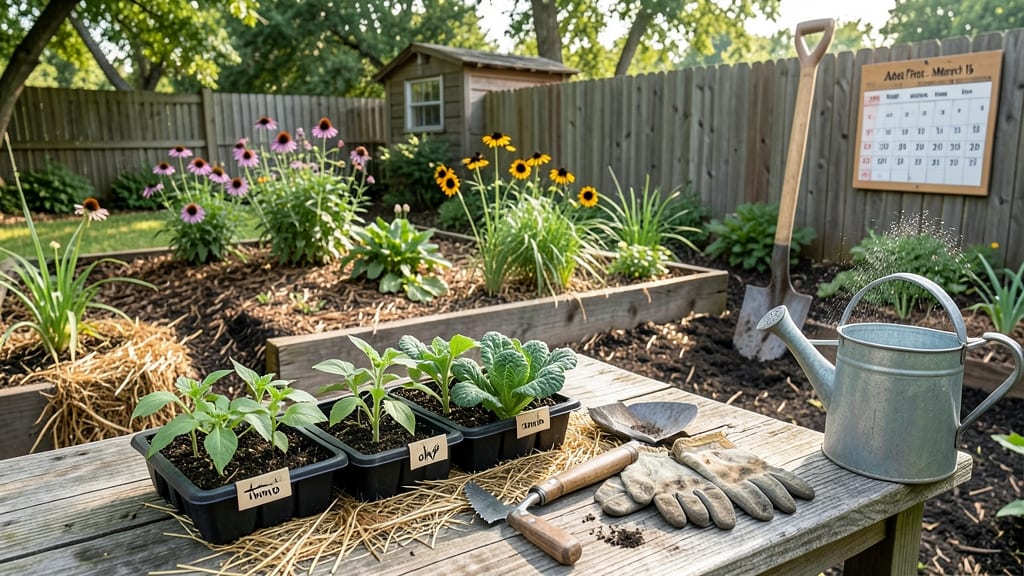
When to plant a garden in Arkansas can make all the difference between a flourishing harvest and wasted seeds—especially when Zone 7a’s chill lingers longer than 7b’s milder climate. I’ve spent years tracking frost dates across the state, and the truth is, planting too early in the Delta or too late in the Ozarks can leave your 🌱 vulnerable to both frost and scorching heat.
What sets Arkansas apart? Humidity spikes in May, unpredictable late frosts in April, and soil that stays damp longer in the north than the south. These factors make a one-size-fits-all planting guide risky business.
Whether you’re in Little Rock or the Arkansas River Valley, knowing the exact window for cool-season crops like lettuce or warm-season powerhouses like tomatoes is non-negotiable.
Here’s the game-changer: I’ll break down the critical dates for your region, including when to start seeds indoors, transplant seedlings, and even adjust for Arkansas’ clay-heavy soils. No more guessing—just data-backed advice from the Arkansas Cooperative Extension to help you plant with confidence.
Ready to transform your garden from a gamble into a guaranteed success? Let’s dive into the microclimate-specific planting schedule that actually works for Arkansas growers.
Arkansas planting calendar by microclimate: Zone 7a vs. 7b last frost dates
Arkansas’ Zone 7a/7b classification might seem uniform, but the state’s geography creates microclimates that shift planting windows by weeks. The Ozark Mountains in northwest Arkansas can experience frost 2-3 weeks later than the Delta region near Little Rock.
Understanding these differences is key to avoiding frost damage or heat stress in seedlings.
For Zone 7a (colder areas like Bentonville or Mountain View), the average last frost date falls between March 15–April 1. In Zone 7b (warmer areas like Jonesboro or El Dorado), you’ll typically see frost-free conditions by March 1–March 15.
These dates are critical for cool-season crops like lettuce and peas, which need to be in the ground 2-3 weeks before the last frost.
| Region | Zone | Last Spring Frost | First Fall Frost | Plant Warm-Season Crops | Plant Cool-Season Crops |
|---|---|---|---|---|---|
| Northwest Arkansas (e.g., Fayetteville) | 7a | April 1 | October 25 | After April 15 | March 1–March 15 |
| Central Arkansas (e.g., Little Rock) | 7b | March 20 | October 15 | After April 1 | February 20–March 5 |
| Southeast Arkansas (e.g., Pine Bluff) | 7b | March 15 | October 10 | After March 20 | February 15–February 28 |
| Delta Region (e.g., Helena) | 7b | March 10 | October 5 | After March 15 | February 1–February 15 |
Warm-season crops like tomatoes, peppers, and squash should wait until soil temperatures reach 60°F+. In Zone 7a, this often means holding off until mid-April, while Zone 7b gardeners can start as early as late March.
For heat-loving crops like sweet potatoes, wait until after May 15 to avoid fungal diseases in Arkansas’ humid climate.
Fall planting is equally critical. Cool-season crops like broccoli and spinach should be sown 6-8 weeks before the first frost. In Zone 7a, this means late August to early September, while Zone 7b can extend planting until mid-September.
Use row covers to protect tender greens from early October frosts, especially in the Ozarks.
Urban gardeners in cities like Little Rock or Fort Smith may experience urban heat islands, where temperatures run 2-5°F warmer than rural areas. This can push last frost dates 1 week later and first frost dates 1 week earlier.
Always check local Almanac frost records or use a frost calendar app for real-time updates.
For container gardening, you can push limits further. Containers warm up faster in spring, allowing you to plant warm-season crops 2-3 weeks earlier than in-ground gardens. Just ensure containers have drainage holes to prevent root rot in Arkansas’ heavy clay soils.
Pro tip: Use biodegradable seed pots to transplant seedlings without disturbing roots. This is especially useful for tomatoes and peppers, which hate root disruption. Start these indoors in <
Best crops to plant in Arkansas by season: month-by-month guide
Arkansas’ climate lets you grow everything from sweet potatoes to blueberries, but timing matters. Cool-season crops like lettuce and spinach thrive in spring and fall, while tomatoes and peppers need summer’s warmth.
Your location—whether you’re in the Delta’s humidity or the Ozarks’ cooler nights—will shift your planting schedule by weeks.
In Northwest Arkansas (Zone 7a), start planting cool-season crops like onions and peas in late February, while southern Arkansas (Zone 7b) gardeners can begin 2 weeks earlier.
Warm-season crops like okra and squash wait until after May 15 to avoid frost risk. Let’s break it down month by month for your Arkansas garden.
For Delta gardeners, prioritize heat-tolerant varieties like Malabar spinach or black-eyed peas, which thrive in the region’s 90°F+ summers. Meanwhile, Ozark gardeners can extend cool-season planting into early May thanks to cooler nights.
Always check soil temps—warm-season crops need soil at 60°F+, while cool-season crops prefer 45–55°F.
Don’t overlook succession planting! In Arkansas, sow bush beans every 2 weeks from April to July for a continuous harvest.
And if you’re in Zone 7b, you can even plant fall greens like kale as early as late July—just cover them with frost cloth by October 15.
Pro tip: Arkansas’ high humidity increases fungal risks, so space plants properly (e.g., tomatoes 18–24 inches apart) and water at soil level to avoid wetting leaves. Rotate crops yearly to prevent disease buildup in clay-heavy soils common across the state.
🌱