
Planting
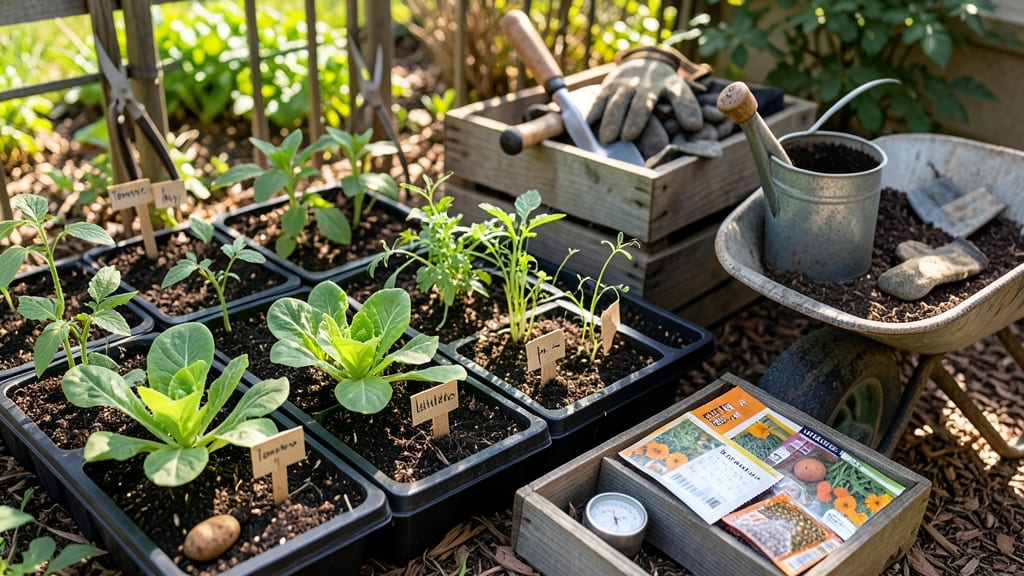
Timing your General Oregon Garden 🌱 could mean the difference between a thriving harvest and a sad, wilted disappointment—especially when Oregon’s climate shifts from coastal chill to high-desert heat faster than you can say "first frost."
If you’ve ever planted your tomatoes too early or your peas too late, you know how frustrating it can be. The key isn’t just following a generic calendar—it’s understanding your microclimate, whether you’re in the Willamette Valley, the foggy coast, or the sunbaked desert.
I’ll break down the exact windows for spring and fall planting so you can avoid common mistakes and set your garden up for success.
From coastal greens to desert melons, we’ll cover what to plant when, how to prep your soil, and even how to tweak your schedule for urban heat islands or windy spots.
By the end, you’ll know exactly when to grab those seeds—and why waiting just a few weeks could save your crops.
Ready to stop guessing and start growing? Let’s dive into the perfect planting times for your Oregon garden, tailored to your exact corner of the state.
Oregon planting zones explained: when to plant by region (coastal, Willamette Valley, high desert)
Oregon’s planting zones vary dramatically from the coastal fog of the West to the high-desert heat of Eastern Oregon. Understanding these microclimates helps you avoid frost damage or stunted growth.
The USDA Plant Hardiness Zones for Oregon range from 7b to 9a, but frost dates and soil temperatures are the real game-changers for timing.
For coastal Oregon, like the Portland area, the last frost date typically falls around March 15, while high-desert regions like Bend may not see frost until May 15.
These differences mean your spring planting window could be a full month earlier in the Willamette Valley than in Eastern Oregon.
Here’s a quick breakdown of Oregon’s key regions and their ideal planting windows:
| Region | Last Frost Date | Ideal Planting Window | Best Crops for Spring | Fall Planting Window |
|---|---|---|---|---|
| Coastal (e.g., Astoria, Cannon Beach) | March 15 | March 20 – April 30 | Peas, lettuce, spinach, kale | September 1 – October 15 |
| Willamette Valley (e.g., Portland, Eugene) | March 20 | April 1 – May 15 | Carrots, tomatoes, basil, onions | September 15 – October 30 |
| High Desert (e.g., Bend, La Pine) | May 15 | May 20 – June 15 | Melons, peppers, potatoes, beans | August 1 – September 15 |
In coastal Oregon, the mild winters and cool summers make it ideal for cool-season crops like peas and lettuce. Plant these as early as February under row covers to jumpstart growth.
Meanwhile, high-desert gardens thrive with heat-loving plants like melons and peppers, which need the longer growing season to mature.
Soil temperature is another critical factor. Most vegetable seeds need soil that’s at least 40°F (4°C) for germination, while warm-season crops like tomatoes require 60°F (15°C). Use a soil thermometer to check before planting—especially in high-desert areas, where soil warms up slower due to cooler nights.
For fall planting, aim to sow cool-season crops like kale and broccoli 6-8 weeks before your first frost. In coastal areas, this could mean planting as late as October 15, while in the high desert, you’ll want to finish by September 15 to avoid early frosts.
Pro tip: If you’re in an urban garden with microclimates (like a sunny spot near a building), you can plant 2-3 weeks earlier than the regional average. Just keep an eye on frost forecasts from the National Weather Service or local Cooperative Extension offices.
Finally, don’t forget about perennials and shrubs. These can often be planted in early spring or fall, giving you more flexibility. For example, fruit trees thrive when planted in late fall (November) so their roots establish before winter.
Ready to dive deeper? Check out how to adjust planting dates for your specific microclimate in the next section—whether you’re battling coastal winds or high-desert dryness.
How to adjust planting dates for your Oregon microclimate (sun exposure, elevation, wind factors)
Oregon’s microclimates can shift planting windows by weeks—even within the same city. If you live in a sunny urban pocket like Portland’s Pearl District, you might plant tomatoes 2 weeks earlier than a neighbor in a shady valley.
Elevation matters too: Bend’s high-desert gardens thrive with late-May starts, while coastal Astoria gardeners wait until mid-April to avoid frost.
Wind is another game-changer. Coastal areas like Cannon Beach experience salty winds that dry out soil faster, so succession planting every 10-14 days maximizes yields. In contrast, protected valley gardens (like the Willamette Valley) can support longer growing seasons with minimal adjustments.
Always check your local frost dates—they’re your planting deadline.
🌱
⚠️ Microclimate Mistakes to Avoid
- Planting too early in cold pockets (e.g., elevations above 3,000 ft) risks frost damage—wait for soil temps above 40°F.
- Ignoring wind exposure can stunt crops; use windbreaks (like bamboo fencing) for coastal gardens.
- Skipping soil tests in urban areas—Portland’s soil is often compacted from construction.
Pro Tip: Use a minimum thermometer to track soil temps—critical for warm-season crops like peppers.
To extend your growing season, try these Oregon-specific hacks:
- Use row covers (like frost blankets) to plant cool-season crops (e.g., spinach) 4-6 weeks earlier in spring.
- Install cold frames to overwinter hardy greens (e.g., kale) through December in mild zones like Eugene.
- For high-desert areas, mulch heavily with straw to retain moisture and cool roots during summer heatwaves.
Urban gardeners in Portland or Salem can push limits with container gardening. Move pots to sunniest spots during winter and shade them in summer to prevent bolting in lettuce. Just ensure containers have drainage holes—Oregon’s winter rains will drown roots fast.
For high-altitude gardens (e.g., La Pine or Sunriver), focus on short-season varieties like ‘Early Girl’ tomatoes or ‘Sugar Anne’ peas. These mature in 50-60 days, giving you time to harvest before early October frosts.
Pair them with fast-growing radishes (ready in 25 days) for a double harvest.
Remember: Oregon’s first frost can arrive as early as September in the high desert or linger until November on the coast.
Plan your fall crops (like garlic or onions) to mature before October 15 in most regions. Succession plant every 2 weeks for continuous harvests—your salad greens will thank you!